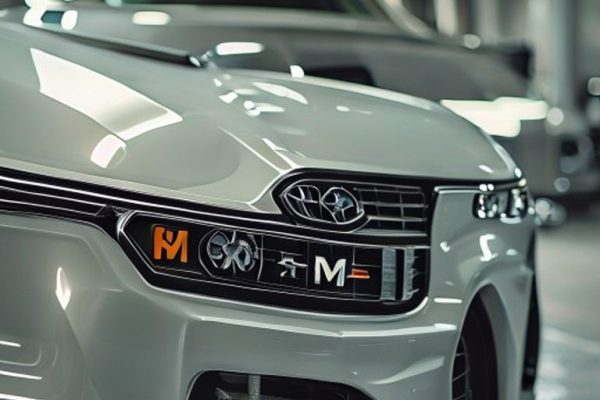



The automotive landscape is undergoing a revolutionary transformation, driven by the rapid acceleration of electric vehicle (EV) development. Every major manufacturer, along with a host of innovative newcomers, is pouring resources into creating the next generation of electric mobility. While many compelling EVs are already gracing our roads, an even more exciting wave of vehicles is currently in various stages of development, poised to redefine our understanding of personal transportation. These upcoming models, ranging from groundbreaking concepts to near-production prototypes, promise enhanced performance, expanded range, faster charging, and a diverse array of body styles to meet every consumer need. This article delves into the journey these future electric vehicles undertake, from the initial spark of an idea to their anticipated arrival in showrooms, offering a glimpse into the electrifying possibilities that lie just over the horizon.
The Vision: From Concept to Reality
The genesis of any new vehicle often begins with a concept car. These audacious designs are not typically intended for immediate production but serve as a visionary showcase for a manufacturer’s future direction in terms of styling, technology, and engineering philosophy. Concept EVs often push the boundaries of design, integrating advanced aerodynamic principles, futuristic interior layouts, and experimental powertrain configurations. They act as a testbed for public reaction, allowing designers and engineers to gauge interest in radical ideas before committing significant resources to development. These early-stage vehicles, while visually stunning, represent an idealistic projection of what’s possible, and their path to mass production is often fraught with modifications and compromises necessary for real-world application and regulatory compliance.
Following the conceptual stage, promising ideas often transition into functional prototypes. This is where the theoretical begins to meet the practical. Prototypes are purpose-built vehicles used for intensive testing across a multitude of environments and conditions. Engineers rigorously evaluate everything from powertrain efficiency and battery management systems to suspension dynamics and occupant safety. These vehicles might not always boast the polished aesthetics of a concept car, often featuring visible test equipment and provisional components, but they are crucial for validating the design and engineering principles established earlier. Iterative refinement is the hallmark of this stage, with data from thousands of test miles leading to continuous improvements in performance, reliability, and manufacturability.
Navigating the Path to Production: Pre-Production and Beyond
Once a vehicle’s core design and engineering principles have been validated through extensive prototyping, it enters the pre-production phase. This critical stage involves building vehicles on an actual or simulated assembly line, using processes and tooling that closely mimic those of full-scale production. The goal here is to iron out any manufacturing inefficiencies, ensure consistent build quality, and optimize the assembly process. Pre-production vehicles undergo a final battery of tests, including crash tests for safety certifications, range tests under various conditions, and validation of all onboard systems, from infotainment to advanced driver-assistance features. Regulatory approvals, a complex and time-consuming process that varies significantly across different global markets, also form a major part of this stage, ensuring the vehicle meets all applicable safety, emissions, and performance standards.
The journey from a drawing board sketch to a commercially available product is incredibly intricate and demands immense resources, talent, and strategic planning. Manufacturers invest billions into research and development, factory retooling, and supply chain establishment. The complexity is further amplified in the EV sector by the rapid evolution of battery technology, charging infrastructure, and software integration, all of which require constant innovation and adaptation. Furthermore, establishing a robust and resilient supply chain for critical EV components, particularly batteries and semiconductors, presents ongoing challenges that can significantly impact production timelines and availability.
What to Anticipate: A Diverse Electric Future
The pipeline of upcoming electric vehicles is incredibly diverse, promising to expand the reach and appeal of EVs to an even wider audience. Consumers can expect to see a burgeoning array of choices across various segments:
-
Mainstream Adoption: Expect more affordable and practical EVs designed for everyday commuting, offering competitive range and features at a more accessible price point, aiming to accelerate widespread adoption.
-
Performance and Luxury: High-performance electric sports cars and luxury sedans continue to push boundaries, demonstrating the exhilarating capabilities of electric powertrains with instantaneous torque and sophisticated driving dynamics.
-
Trucks and SUVs: The rapidly growing demand for electric pickup trucks and sport utility vehicles is being met with a slew of robust and capable models designed to offer impressive towing, hauling, and off-road capabilities without tailpipe emissions.
-
Specialized Mobility: Beyond traditional vehicle types, there are ongoing developments in electric vans for commercial use, urban mobility solutions, and even niche vehicles that cater to specific lifestyle needs, highlighting the versatility of electric platforms.
-
Technological Advancements: Across all categories, anticipate significant strides in battery energy density for greater range, faster charging capabilities, more intuitive user interfaces, and increasingly sophisticated autonomous driving features.
The collective promise of these vehicles is not merely about electrification, but about reimagining the driving experience itself. Future EVs are poised to offer quieter, smoother rides, smarter connectivity, and lower running costs, all while contributing to a cleaner environmental footprint. The integration of advanced software into vehicle architectures will also allow for over-the-air updates, enabling vehicles to improve and gain new features throughout their lifespan, much like modern smartphones.
The Unseen Hurdles and the Path Forward
While the excitement for these future electric vehicles is palpable, it is important to acknowledge that the journey from concept to consumer is not without its hurdles. The automotive industry is notoriously complex, and unforeseen challenges can arise at any stage. Supply chain disruptions, particularly concerning critical raw materials for batteries or semiconductors, can cause significant delays. Regulatory changes, unexpected engineering complexities, or even shifts in market demand can lead to project re-evaluation. It is a reality that, for various reasons, some projects that show great promise at their inception may ultimately never reach full-scale production. This is an inherent part of the innovation process, where ambition sometimes outpaces practical feasibility or economic viability.
Despite these potential obstacles, the momentum behind electric vehicles is undeniable. The industry’s commitment to an electrified future is resolute, driven by consumer demand, environmental imperatives, and technological breakthroughs. The continuous influx of investment, coupled with fierce competition, ensures that the pace of innovation will only accelerate. As we look ahead, the automotive landscape is set to be populated by a diverse and technologically advanced fleet of electric vehicles, offering unprecedented choices and shaping a more sustainable future for transportation.
Source : https://www.caranddriver.com/news/g29994375/future-electric-cars-trucks/