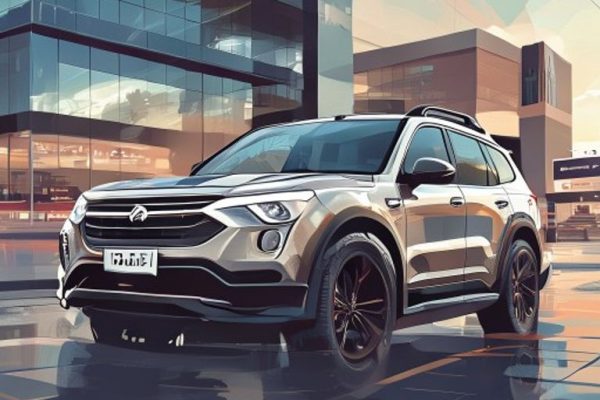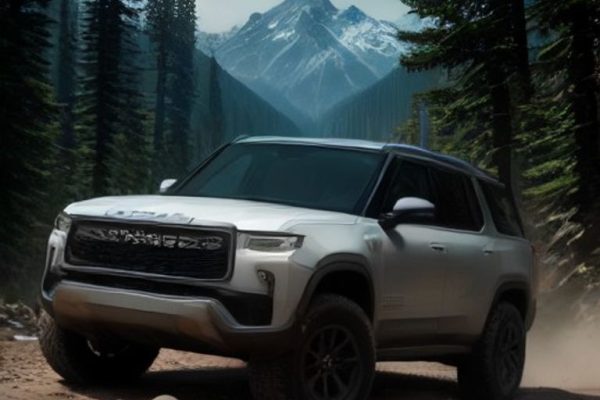



The automotive industry is in the midst of an unprecedented transformation, with electric vehicles (EVs) at the forefront. While an expanding selection of EVs is already available, much of the excitement centers on what’s next—the unreleased models that promise to redefine future transportation. These vehicles are currently traversing various development stages, from initial concept designs to rigorous prototype testing and eventual production readiness. Their arrival is keenly anticipated as they aim to push boundaries in technology, performance, and sustainability, captivating both enthusiasts and everyday drivers.
Bringing a new electric vehicle to market is an incredibly complex and resource-intensive endeavor. It involves a meticulous, multi-stage process that can span several years, requiring immense investment in research, engineering, and manufacturing infrastructure. This journey is crucial for ensuring that when these advanced vehicles finally become available, they meet not only consumer expectations but also stringent global safety and quality standards, making them reliable and desirable options for the evolving automotive landscape.
From Vision to Vehicle: The Development Lifecycle
The earliest public manifestation of a future EV is often a concept vehicle. These aren’t intended for immediate sale but serve as bold design statements, showcasing a brand’s innovative spirit, technological aspirations, and future aesthetic direction. Concepts allow designers to explore radical ideas and gauge public reaction, acting as a visionary precursor to potential production models. They are followed by prototypes – functional, often hand-built versions used for initial engineering validation and to test specific components and systems under controlled conditions.
The transition from a prototype to a production-ready vehicle involves an exhaustive phase of development and testing. Engineers subject these vehicles to millions of miles of real-world and simulated testing across diverse environments, from extreme hot and cold climates to demanding urban and highway conditions. This rigorous process meticulously refines every aspect, including battery longevity, charging efficiency, motor performance, chassis dynamics, and the seamless integration of advanced software and driver-assistance systems. Such thorough validation is vital to ensure the final product delivers on its promises of safety, durability, and a premium driving experience.
Finally, preparing for mass production is a monumental logistical and industrial undertaking. This stage involves setting up vast manufacturing facilities, tooling production lines, establishing robust global supply chains for countless specialized components, and training a skilled workforce. Adherence to strict quality control measures is paramount to ensure consistency across every unit. This intricate coordination is what transforms a highly anticipated model into a tangible product ready to be purchased by consumers, representing the culmination of years of dedicated effort and significant capital.
Innovations on the Horizon
Prospective buyers can expect significant advancements that will further enhance the appeal and practicality of electric vehicles. Future models are poised to offer substantially increased driving ranges, effectively mitigating any lingering concerns about charging frequency and accessibility. Concurrently, charging technologies will continue to evolve, promising even faster charging speeds and greater compatibility with a rapidly expanding global infrastructure, making long-distance travel with an EV more convenient than ever before.
The market will also see an unprecedented diversification of EV offerings across all vehicle segments. From agile urban compacts to versatile family SUVs, rugged pickup trucks, and luxurious performance cars, there will be an electric solution tailored for nearly every lifestyle and budget. These vehicles are also expected to feature more integrated, intuitive in-car technology, advanced connectivity, and sophisticated driver-assistance systems, further elevating the ownership experience and redefining what a modern vehicle can achieve.
Navigating Development Challenges and Uncertainty
Despite the optimistic outlook, the path from an innovative concept to a commercially available vehicle is fraught with challenges. Automotive engineering demands overcoming complex technical hurdles, especially when developing new EV platforms and integrating cutting-edge battery and propulsion technologies. Establishing resilient supply chains for critical components and navigating evolving global regulatory landscapes also present significant logistical and financial complexities.
Moreover, market dynamics and economic realities constantly influence product development. Shifting consumer preferences, economic fluctuations, and intensifying competition can impact a project’s viability over its multi-year development cycle. This inherent uncertainty means that, as the original insight noted, some promising concepts or ambitious prototypes may ultimately « never see the light of day. » Such decisions are often pragmatic, reflecting a manufacturer’s need to adapt to changing conditions or reallocate resources to more viable opportunities, which is a natural part of an intensely competitive industry.
Anticipating Your Future Electric Ride
For those eager to embrace the next generation of electric mobility, the future promises a richer, more diverse, and more capable array of vehicles. Patience remains a virtue, as specific details regarding launch dates, final specifications, and pricing for these upcoming models often remain fluid until closer to their official market introduction. When they do arrive, however, they will undoubtedly contribute to an even wider choice for consumers, democratizing access to cleaner, more efficient, and more technologically advanced transportation.
Key General Advancements Expected in Future Electric Vehicles:
- Significantly increased driving range and enhanced battery longevity.
- Faster and more efficient charging capabilities across various infrastructures.
- A broader spectrum of vehicle types, from compacts to trucks and performance models.
- Sophisticated in-car technology, seamless connectivity, and intuitive user interfaces.
- Improved performance, including rapid acceleration and refined handling dynamics.
- Greater integration of sustainable materials and manufacturing processes.
- More advanced driver-assistance systems and passive safety features.
- An expanding range of price points to cater to diverse economic segments.
Source : https://www.caranddriver.com/news/g29994375/future-electric-cars-trucks/