


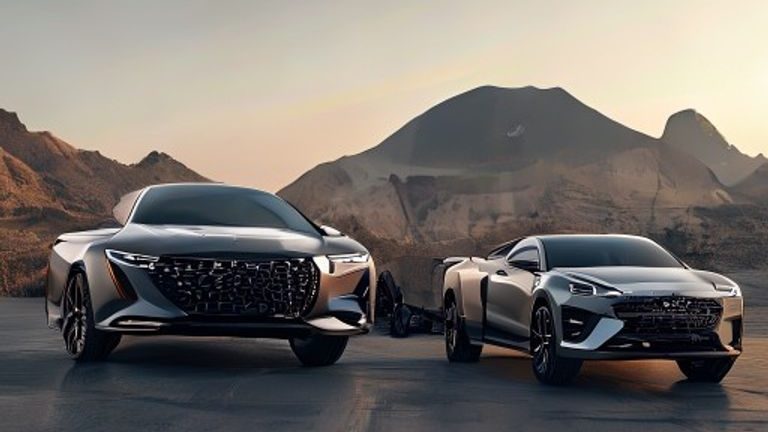
In a significant announcement that underscores Hyundai’s relentless pursuit of market expansion and product innovation, the automaker’s CEO has confirmed plans to unveil new generations of two of its most pivotal models – the Tucson compact SUV and the Elantra compact sedan – within the current calendar year. This move is part of an aggressive product roadmap designed to solidify Hyundai’s standing in core segments while strategically venturing into new, high-growth areas. The revelation also included forward-looking plans for a new plug-in hybrid vehicle and a robust body-on-frame pickup truck, both slated for introduction within the next three years, signaling a broad and ambitious strategy for the brand’s future.
Refreshing Core Offerings: The New Tucson and Elantra
The upcoming reveals of the Tucson and Elantra are particularly noteworthy given their status as volume leaders and critical pillars of Hyundai’s global sales performance. The Tucson, a mainstay in the highly competitive compact SUV segment, consistently ranks among the brand’s best-sellers. Its success hinges on a blend of contemporary design, practical utility, and a strong value proposition. Similarly, the Elantra has long served as a cornerstone of Hyundai’s sedan lineup, appealing to a wide demographic with its fuel efficiency, technology features, and affordability. Refreshing these models is not merely an aesthetic update but a strategic imperative to maintain relevance and competitiveness in fast-evolving markets.
Automotive industry cycles dictate that models undergo significant refreshes or full redesigns every few years to incorporate the latest technological advancements, adhere to evolving safety standards, and reflect current design trends. For the new Tucson and Elantra, this typically means a complete overhaul, ranging from exterior styling and interior ergonomics to powertrain enhancements and the integration of advanced driver-assistance systems (ADAS). These updates are crucial for keeping pace with rivals who are also continuously investing in their product lines. Consumers in these segments often prioritize modern features, connectivity options, and improved performance, making these revisions essential for attracting new buyers and retaining existing loyalty.
The introduction of new generations typically brings a host of improvements aimed at elevating the overall ownership experience. While specific details for the upcoming models remain under wraps until their official unveiling, history suggests that consumers can anticipate:
- Enhanced Design Language: A fresh exterior and interior aesthetic aligned with Hyundai’s evolving design philosophy, aimed at creating a more distinctive and attractive presence.
- Advanced Technology Integration: Updated infotainment systems, larger touchscreens, smartphone connectivity, and a wider array of standard or available ADAS features.
- Improved Powertrain Options: Potential for more efficient engines, possibly including mild-hybrid variants, and refined transmission systems to offer better performance and fuel economy.
- Optimized Comfort and Ergonomics: Redesigned interiors focused on material quality, passenger comfort, and intuitive control layouts.
- Refined Driving Dynamics: Updates to suspension and steering systems for a more engaging and comfortable driving experience.
Expanding Electrification: A New Plug-in Hybrid Model
Beyond the immediate product refreshes, Hyundai’s announcement highlighted a commitment to expanding its electrified vehicle lineup with a new plug-in hybrid (PHEV) model scheduled for launch within the next three years. This initiative aligns perfectly with the global automotive industry’s undeniable shift towards sustainable mobility and Hyundai’s broader strategy to offer a diverse range of eco-friendly vehicles. Hyundai has already established a presence in the PHEV market with models in other segments, demonstrating its technological capabilities in this area.
Plug-in hybrids represent a crucial transitional technology in the journey towards full electrification. They offer the best of both worlds: the ability to travel significant distances on electric power alone for daily commutes, coupled with the extended range and quick refueling capabilities of a traditional gasoline engine for longer journeys. This flexibility makes PHEVs an attractive option for consumers who may not yet be ready for a fully electric vehicle but are eager to reduce their carbon footprint and benefit from lower running costs.
The strategic introduction of a new PHEV model underscores several key objectives for Hyundai:
- Meeting Emissions Targets: PHEVs contribute significantly to lowering fleet-average emissions, helping automakers comply with increasingly stringent global environmental regulations.
- Catering to Diverse Consumer Needs: Offering an expanded range of electrified options allows Hyundai to capture a wider segment of eco-conscious buyers with varying driving habits and infrastructure access.
- Leveraging Existing Technology: Building upon Hyundai’s established expertise in hybrid and electric powertrains allows for efficient development and integration of new PHEV applications.
- Market Competitiveness: Staying abreast of competitors who are also rapidly expanding their electrified portfolios, ensuring Hyundai remains a leader in sustainable automotive solutions.
Venturing into New Territory: Body-on-Frame Pickup
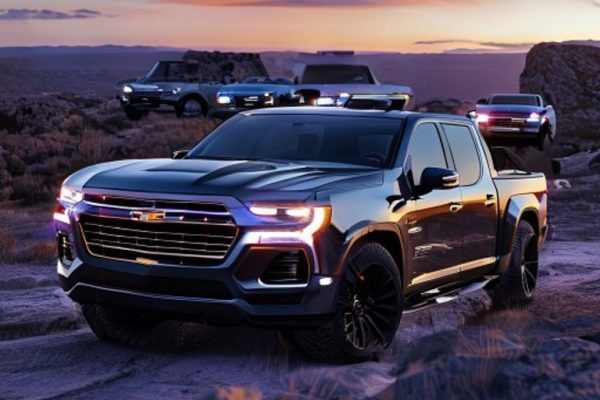
Perhaps the most intriguing revelation from Hyundai’s CEO is the planned introduction of a body-on-frame pickup truck within the three-year timeline. This marks a significant strategic pivot for Hyundai, signifying a serious intent to enter a highly lucrative and fiercely competitive segment traditionally dominated by established players. While Hyundai has explored the pickup segment before, the commitment to a body-on-frame architecture indicates a focus on delivering the ruggedness, towing capability, and durability that conventional pickup truck buyers demand.
A body-on-frame construction, where the vehicle’s body is mounted separately onto a rigid ladder frame chassis, is the traditional architecture for heavy-duty trucks and SUVs. This design is favored for its inherent strength, payload capacity, and ability to withstand demanding work or off-road conditions. In contrast to unibody vehicles, which integrate the body and frame into a single structure, body-on-frame trucks are typically better suited for tasks requiring substantial towing and hauling capabilities, making them indispensable tools for contractors, tradespeople, and adventure seekers alike.
Entering this segment is a bold move, promising to open up entirely new market demographics and revenue streams for Hyundai. The pickup truck market, particularly in North America, is one of the most profitable and loyal segments in the automotive industry. A well-executed body-on-frame offering could dramatically alter Hyundai’s brand perception, positioning it not just as a maker of efficient sedans and stylish SUVs, but also as a credible player in the utility vehicle space. The success of such a venture would depend on several factors, including competitive pricing, robust engineering, and a comprehensive understanding of traditional pickup truck buyer preferences.
Key attributes expected from a body-on-frame pickup typically include:
- Superior Towing and Hauling Capacity: Engineered to handle significant loads, both in the bed and on a trailer, essential for commercial and recreational use.
- Enhanced Durability and Ruggedness: Designed to withstand harsh environments and heavy-duty work, offering a long service life.
- Off-Road Capability: Often equipped with features like four-wheel drive, higher ground clearance, and robust suspension systems for challenging terrain.
- Versatile Configuration Options: Typically available in various cab styles, bed lengths, and trim levels to cater to diverse consumer and commercial needs.
Hyundai’s latest announcement paints a picture of a company aggressively pushing boundaries across its product portfolio. From refreshing its core, high-volume models to strategically investing in sustainable technologies and expanding into new, challenging segments, the automaker is clearly committed to a dynamic and growth-oriented future. The coming years promise to be transformative for Hyundai, as these new vehicles roll out and reshape its presence in the global automotive landscape.
Source : https://www.caranddriver.com/news/a70858521/hyundai-tucson-elantra-reveals-confirmed/