


The Automotive Anomaly: A Friend, A Van, A Revelation
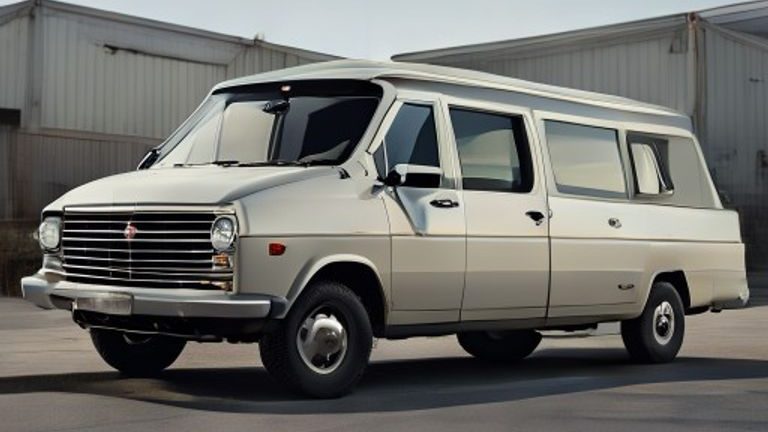
The automotive landscape is typically a whirlwind of annual refreshes, bold redesigns, and the constant pursuit of the ‘next big thing.’ Yet, amidst this relentless churn, some vehicles stand as steadfast monuments to utility and resilience. My friend’s recent purchase of a Chevrolet Express van brought one such monument into sharp focus. As the boxy, purposeful silhouette rolled into view, a startling realization hit me: this design, fundamentally, hasn’t changed in thirty years. This enduring presence, virtually untouched by the relentless march of automotive evolution, immediately struck me as an « automotive vampire »—a vehicle that defies conventional industry wisdom, surviving and thriving without adaptation.
The Unchanged Workhorse: Three Decades of Purpose
The Chevrolet Express, alongside its GMC Savana twin, first debuted for the 1997 model year. Its introduction marked a significant step forward from its G-series predecessors, but crucially, that initial design laid the blueprint for everything that followed. Unlike passenger cars that undergo major overhauls every five to seven years, the Express has maintained its core identity. Its mission was clear from day one: to be a robust, high-capacity workhorse for commercial enterprises. Its design prioritizes cavernous interior space, payload capacity, and rugged durability over fleeting aesthetic trends. It’s the quintessential utility vehicle for plumbers, electricians, delivery services, and shuttle operators—a tool, not a fashion statement.
This dedication to its original purpose explains its enduring form. When a vehicle serves such a specific, utilitarian role, radical redesigns can be counterproductive. Businesses require familiarity, reliability, and compatibility with specialized upfitting equipment. The Express provides precisely that, offering a consistent platform that minimizes disruption for fleets and maximizes operational efficiency.
The « Automotive Vampire » Decoded: Why It Endures
The moniker « automotive vampire » reflects the Express’s survival outside the usual glare of automotive innovation. It doesn’t sparkle with new tech or boast futuristic lines; instead, it persists through sheer, understated utility. Its longevity isn’t a fluke; it’s a calculated triumph rooted in several key attributes:
- Uncompromising Utility: Its simple, boxy architecture maximizes cargo and passenger volume, a timeless advantage for commercial applications.
- Proven Durability & Reliability: Decades of continuous production mean a thoroughly vetted platform and powertrains, offering predictable maintenance and long service life.
- Cost-Effectiveness: Avoiding costly redesigns allows GM to offer a competitive price point, appealing strongly to budget-conscious fleet managers.
- Fleet Familiarity: Consistent design benefits mechanics and drivers alike, reducing training needs and ensuring seamless integration into existing operations.
- Niche Market Dominance: It perfectly serves a market segment where traditional virtues of capacity and ruggedness far outweigh cutting-edge aesthetics or technology.
These qualities allow the Express to thrive in a segment where practicality and total cost of ownership are paramount. It’s a testament to the idea that a perfectly executed, purpose-built design can outlast generations of more glamorous, yet ultimately more transient, vehicles.
A Lesson in Longevity: The Unseen Value of Consistency
The Chevy Express offers a fascinating counter-point to the industry’s obsession with novelty. Its nearly thirty-year run without a major redesign isn’t a sign of stagnation, but rather a profound success story in a very specific niche. It proves that for certain vehicle types and certain buyers, consistency, proven reliability, and unwavering utility are far more valuable than the latest technological bells and whistles. My friend’s purchase, and the subsequent realization of the Express’s enduring nature, underscores a vital truth about the automotive world: true innovation sometimes lies in perfecting a design and letting it serve its purpose faithfully, rather than constantly reinventing the wheel.
Source : https://www.caranddriver.com/features/columns/a70834026/ezra-dyer-that-express-is-half-full-feeling/