

Streamlining the Portfolio and Diversifying Powertrains
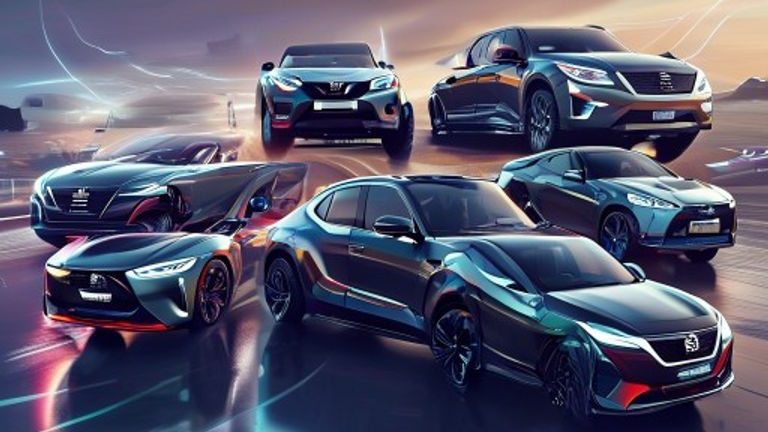
Nissan is actively reshaping its global operations, focusing on a streamlined product portfolio and diverse powertrains. Under its "Nissan NEXT" plan, the automaker aimed to reduce its global model count by approximately 20% by fiscal year 2023, to fewer than 55 models. This strategic consolidation optimizes resource allocation, enhances manufacturing efficiencies, and focuses investment on key models for profitability. By concentrating on fewer, high-impact vehicles, Nissan strengthens its brand and delivers compelling products aligned with market demands. This rationalization integrates with a robust powertrain strategy, ensuring consumer choices remain technologically advanced, encompassing electrification and refined internal combustion options.
Nissan’s Electrification Push: The e-Power Advantage
A cornerstone of Nissan’s diverse powertrain strategy is its innovative e-Power technology, a unique series-hybrid system. e-Power vehicles are driven exclusively by an electric motor, providing instant torque, smooth acceleration, and quiet operation, akin to an EV. A compact gasoline engine acts solely as a generator, producing electricity for the battery and motor. This setup bypasses external charging, offering gasoline refueling convenience with an EV-like drive. Nissan has successfully deployed e-Power in markets like Japan (Note, Kicks) and, more recently, in the Qashqai and X-Trail (international Rogue) in European and Asian markets. This expansion highlights Nissan’s commitment to broadening electrified offerings, presenting a practical solution for consumers seeking reduced environmental impact without range anxiety.
Sustaining Core Segments: The Role of V-6 Engines
While accelerating electrification, Nissan acknowledges ongoing demand for powerful, reliable internal combustion engines in certain segments. As part of its diverse powertrain strategy, the company continues to utilize and refine its V-6 engine lineup for crucial market needs. The robust 3.8-liter V-6 powers the Nissan Frontier mid-size pickup truck, essential for towing and hauling. The proven 3.5-liter V-6 remains a core offering in larger family SUVs like the Pathfinder and Murano, delivering ample power. Performance enthusiasts also benefit from Nissan’s V-6 expertise, notably with the potent 3.0-liter twin-turbo V-6 in the Nissan Z sports car. This strategic retention ensures customers needing significant power or specific utility find compelling choices amid industry transition.
Addressing Future Models: Rogue, Xterra, and Market Realities
-
The Rogue’s Evolving Powertrain Landscape
Given the global deployment of e-Power in the X-Trail—the international variant of the Nissan Rogue—there’s significant interest in its potential introduction to the Rogue in North America and other major markets. While the current Rogue shares its platform with these e-Power equipped models, Nissan has not officially confirmed a "new Rogue with e-Power tech" as an immediate part of its future global plan. However, e-Power’s demonstrated viability and positive reception in the X-Trail strongly position it as a strategic option for future Rogue iterations. Such a move aligns with Nissan’s goal of diverse powertrains and expanded electrification, offering a fuel-efficient, EV-like driving experience within one of its most popular models.
-
The Persistent Rumors of an Xterra Revival
The concept of reviving the body-on-frame Nissan Xterra frequently surfaces among enthusiasts, fueled by nostalgia for rugged, off-road SUVs. The original Xterra (discontinued in 2015) was known for its utilitarian design and off-road credentials. With today’s resurgence in demand for authentic adventure vehicles, a new body-on-frame Xterra holds appeal. However, despite persistent rumors and speculation, Nissan has not issued any official statements or confirmed plans regarding the return of the Xterra nameplate, nor specified a body-on-frame architecture. While Nissan focuses on strong SUV and truck segments (Frontier, Pathfinder, Armada), any discussion about an Xterra revival remains speculative, based on enthusiast wishes, not corporate strategy.
Strategic Outlook: Balancing Tradition and Innovation
Nissan’s strategic direction—a refined product portfolio coupled with a diverse blend of powertrains—is engineered to navigate dynamic shifts in the global automotive industry. By enhancing efficiency through a concentrated lineup of high-impact models and investing in advanced electrification (e-Power) and optimized internal combustion engines (including V-6 options), Nissan aims for sustainable profitability and to cater to diverse customer demands. This balanced approach enables progress towards an electrified future while serving traditional segments with compelling, reliable vehicles. Nissan’s commitment to thoughtful innovation and pragmatic market response is fundamental to its long-term success.
Source : https://www.caranddriver.com/news/a70859031/nissan-rogue-xterra-v6-ai-future-plans/
