

The automotive world is on the cusp of a profound transformation, and as we look ahead to the years 2026 through 2030, the landscape promises to be more dynamic and innovative than ever before. This isn’t just about new models; it’s about fundamental shifts in how vehicles are designed, powered, and integrated into our lives. While specific model reveals are still under wraps, our sneak peek at this upcoming era focuses on the overarching trends and technological advancements that will define the most promising cars, trucks, and SUVs of the next few years.
The Accelerating Electric Revolution
Electrification will undoubtedly remain at the forefront of automotive innovation. By 2026-2030, electric vehicles (EVs) are expected to mature significantly, moving beyond early adoption phases to become a mainstream choice across all segments. We anticipate a greater diversity of body styles, from compact city cars to robust electric pickup trucks and family-friendly SUVs, all benefiting from advancements in battery technology and charging infrastructure.
- **Enhanced Battery Technology:** Expect higher energy density, leading to greater range and reduced weight. Solid-state batteries, while still emerging, may begin to appear in niche or premium applications, offering faster charging times and improved safety.
- **Rapid Charging Networks:** The expansion and standardization of high-speed charging infrastructure will make long-distance EV travel more seamless and convenient.
- **Performance and Efficiency:** Electric powertrains will continue to push boundaries in acceleration, torque delivery, and overall efficiency, with sophisticated power management systems optimizing every electron.
- **Hybrid Evolution:** Plug-in hybrids (PHEVs) and advanced conventional hybrids will still play a crucial role, offering a bridge for consumers and addressing specific market needs with extended electric-only range and improved fuel economy.
Smarter Roads Ahead: Advancements in Autonomy and Connectivity
The progression of autonomous driving capabilities and vehicle connectivity will profoundly reshape the driving experience. While fully autonomous vehicles (Level 5) may still be some time away for widespread adoption, the 2026-2030 period will see significant strides in assisted driving systems and vehicle-to-everything (V2X) communication.
- **Sophisticated Driver-Assistance Systems:** Advanced Level 2+ and emerging Level 3 autonomous features will become more common, allowing for hands-off driving in specific conditions, such as highway cruising or congested traffic, under driver supervision.
- **Vehicle-to-Everything (V2X) Communication:** Cars will increasingly communicate with other vehicles, infrastructure, pedestrians, and the cloud to enhance safety, optimize traffic flow, and provide real-time information.
- **Software-Defined Vehicles:** Over-the-air (OTA) updates will allow for continuous improvement, new feature additions, and personalized experiences, transforming vehicles into constantly evolving digital platforms.
- **Integrated Digital Ecosystems:** Expect deeper integration with smart devices, seamless infotainment systems, and personalized digital cockpits that adapt to individual user preferences and habits.
Design and User Experience Redefined
Beyond the powertrain and technology, the very design and interior experience of future vehicles will undergo a significant transformation. The focus will shift towards creating adaptable, comfortable, and highly personalized spaces that cater to a variety of needs, whether driving, working, or relaxing.
- **Adaptive Interior Spaces:** With more sophisticated autonomous capabilities, interiors can become more versatile, offering configurable seating, integrated workspaces, and entertainment zones.
- **Sustainable and Premium Materials:** The use of recycled, bio-based, and ethically sourced materials will become more prevalent, enhancing both environmental responsibility and aesthetic appeal.
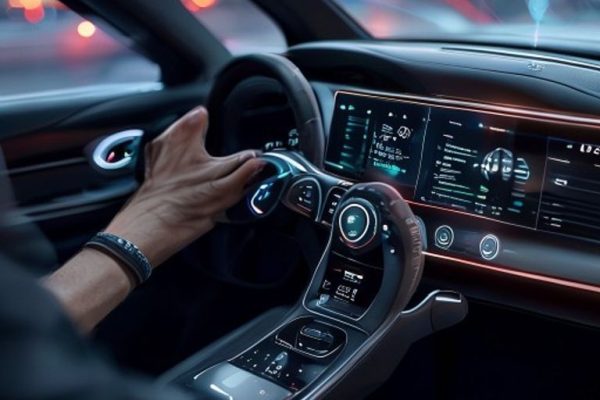
- **Intuitive Interfaces:** Digital displays, haptic feedback, and voice controls will evolve to be more natural and less distracting, potentially integrating augmented reality elements into windshields.
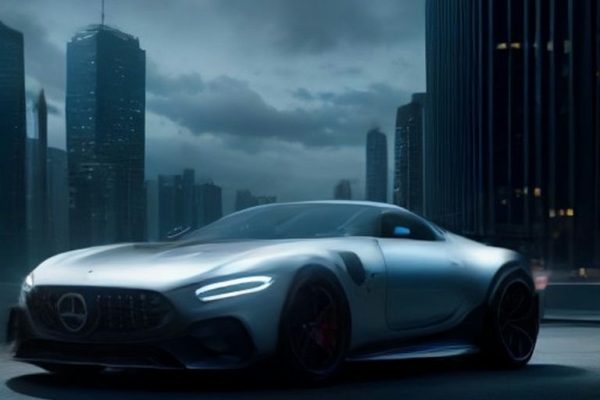
- **Aerodynamic and Expressive Exteriors:** Exterior designs will be heavily influenced by aerodynamic efficiency for EVs, while also embracing new forms and lighting signatures to create distinctive brand identities.
Sustainability Beyond the Powertrain
The drive for sustainability extends far beyond just electrifying vehicles. The entire lifecycle of a car, from manufacturing to end-of-life, will see significant innovation aimed at reducing environmental impact.
- **Circular Economy Principles:** Automotive manufacturers will increasingly adopt principles of the circular economy, focusing on reducing waste, reusing components, and recycling materials.
- **Green Manufacturing Processes:** Production facilities will aim for carbon neutrality, utilizing renewable energy sources and more efficient manufacturing techniques, such as gigacasting to reduce parts count.
- **Battery Recycling and Second Life:** Robust systems for recycling EV batteries and repurposing them for stationary energy storage will become critical components of the industry’s sustainability efforts.
The Evolving Landscape of Vehicle Segments
While SUVs are likely to maintain their strong market presence, the period of 2026-2030 could also see the emergence of new vehicle types and a redefinition of existing segments.
- **Diversified SUV Offerings:** SUVs will continue to dominate, but with more specialized variants—from rugged off-roaders to sleek, city-focused crossovers, and increasingly, all-electric options.
- **Purpose-Built Vehicles:** We may see an increase in modular, purpose-built vehicles designed specifically for ride-sharing, last-mile delivery, or urban mobility solutions, prioritizing efficiency and adaptability.
- **Reimagined Trucks:** Electric pickup trucks will continue to gain traction, offering innovative features like bi-directional charging and enhanced utility, challenging traditional expectations of what a truck can do.
The years 2026-2030 promise a transformative era for the automotive industry. These aren’t just incremental updates; they represent fundamental shifts in how vehicles are powered, driven, and experienced. The future holds immense potential for innovation, offering a more sustainable, connected, and intelligent world on wheels.
Source : https://www.caranddriver.com/features/g28985154/future-cars/