

The End of an Era? Porsche GT Boss Hints at Turbocharged Future for the 911 GT3
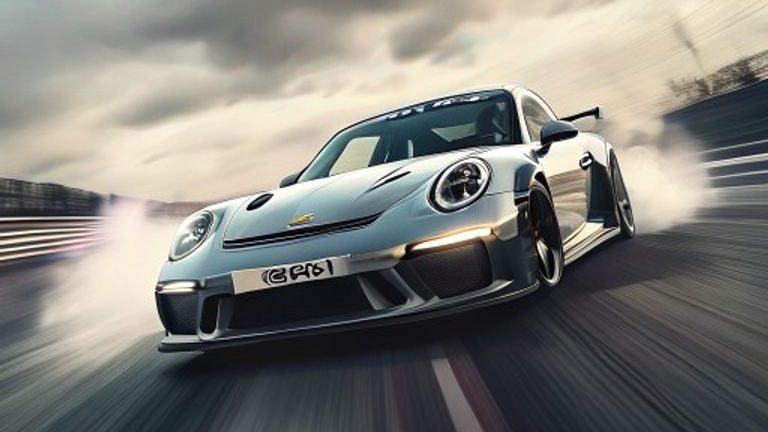
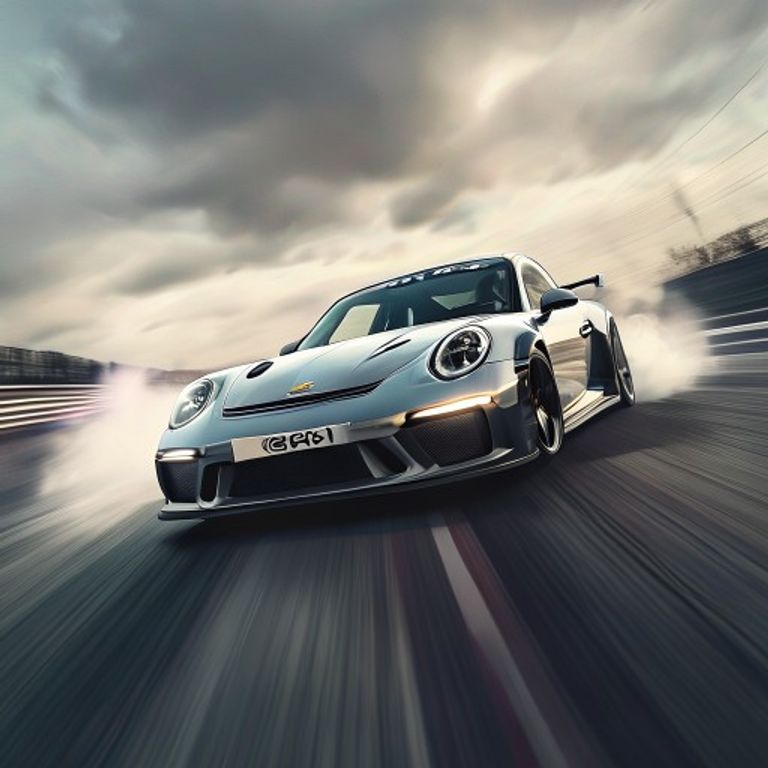
For enthusiasts of high-performance driving, few cars command the reverence of the Porsche 911 GT3. Renowned for its unparalleled driver engagement, track-focused dynamics, and perhaps most importantly, its high-revving, naturally aspirated flat-six engine, the GT3 has long stood as a bastion of purist motoring in an increasingly turbocharged world. However, recent comments from Porsche’s GT boss suggest that this cherished era may be drawing to a close. The explicit statement that the brand’s naturally aspirated 4.0-liter flat-six’s days are numbered sends a clear signal that even the most sacred of Porsche’s performance machines is not immune to the winds of change.
This revelation, while perhaps not entirely surprising given broader industry trends, marks a pivotal moment for the GT3 lineage. If this prognosis holds true, the next-generation 911 GT3 could indeed be the first in its storied history to embrace forced induction, fundamentally altering a core aspect of its character that has defined it for decades. The implications for the driving experience, engine sound, and overall philosophy of Porsche GT cars are vast and are already sparking considerable discussion among the automotive community.
Why the Shift? Navigating the Modern Automotive Landscape
The automotive industry is in constant flux, driven by evolving consumer demands, technological advancements, and perhaps most pressingly, stringent global regulations. The suggestion that the naturally aspirated engine’s time is limited for even the GT3 is a direct reflection of these external pressures. Emission standards, in particular, are becoming increasingly difficult to meet with larger displacement, naturally aspirated engines without significant compromises to power or efficiency.
Turbocharging offers a potent solution to these challenges. By forcing more air into the engine, smaller displacement engines can produce comparable, or even greater, power and torque figures than their larger naturally aspirated counterparts, often with improved fuel efficiency in certain driving cycles. This efficiency, coupled with the ability to integrate more easily with future hybridization strategies, makes forced induction an almost inevitable step for performance car manufacturers aiming to stay compliant and competitive.
- Emissions Regulations: Increasingly strict global CO2 and particulate matter limits make naturally aspirated engines challenging to develop and certify.
- Efficiency Demands: Forced induction can offer better fuel economy under varied driving conditions compared to larger displacement NA engines.
- Performance Benchmarks: Turbocharging provides an accessible pathway to higher horsepower and torque, keeping pace with an ever-escalating performance arms race.
- Future-Proofing: Turbocharged engines are generally easier to integrate into hybrid powertrains, a likely future for many high-performance vehicles.
The Naturally Aspirated Legacy: What Makes the GT3 Special?
The naturally aspirated 4.0-liter flat-six engine in the current and previous generation GT3s is more than just a power plant; it’s the heart and soul of the car’s identity. Its defining characteristics are what separate the GT3 from much of its competition and even other turbocharged 911 models. The immediate, linear throttle response, with no hint of turbo lag, allows for incredibly precise control and feedback, especially when exploring the car’s limits on a circuit.
Moreover, the engine’s ability to rev to a stratospheric 9,000 RPM produces an intoxicating, wailing soundtrack that is utterly unique and deeply visceral. This combination of linearity, responsiveness, and a captivating acoustic experience fosters a profound connection between the driver and the machine. It’s this unfiltered, mechanical purity that GT3 enthusiasts cherish and fear losing. The engine is not merely a component; it is a central pillar of the GT3’s philosophy, embodying the pursuit of raw, unadulterated driving pleasure.
Porsche’s History with Forced Induction
While the GT3 has remained naturally aspirated, Porsche is certainly no stranger to forced induction. The iconic 911 Turbo has showcased the brand’s expertise in turbocharging for decades, offering immense power and all-weather capability. More recently, the mainstream 911 Carrera and GTS models transitioned to turbocharged flat-six engines with the 991.2 generation, demonstrating Porsche’s ability to integrate turbocharging while largely preserving the 911’s sporting character.
However, the GT division, responsible for the GT3, GT3 RS, and GT2 RS models, has largely resisted this trend, with the GT2 RS being the notable exception, always featuring a turbocharged engine due to its extreme performance brief. The GT3 and GT3 RS, in particular, have been the torchbearers for natural aspiration, upholding a tradition of razor-sharp response and linear power delivery, which is why the GT boss’s recent comments carry such significant weight.
The Potential Impact: A New Driving Experience
Should the next-generation GT3 adopt turbocharging, it will undoubtedly usher in a different driving experience. While many fear the loss of the current car’s characteristics, it’s also important to consider the potential upsides and how Porsche, with its engineering prowess, might adapt.
- Prospective Benefits:
- Increased Torque: Turbocharged engines typically deliver significantly more torque, especially at lower RPMs, leading to stronger in-gear acceleration.
- Broader Power Band: A wider, more accessible power band could make the car feel even faster and more effortless on both road and track.
- Higher Outright Power: Turbocharging offers an easier path to substantial horsepower gains, allowing the GT3 to maintain its competitive edge in raw performance.
- Potential Challenges & Changes:
- Altered Engine Sound: The distinctive wail of the NA engine would likely be replaced by a different, though potentially still thrilling, sound profile, possibly including turbocharger induction noises.
- Throttle Response: Despite modern advancements in turbocharger technology, there can be a slight difference in linearity compared to a perfectly tuned naturally aspirated unit.
- Weight Considerations: Turbocharging systems add complexity and weight, which Porsche’s engineers would need to mitigate to preserve the GT3’s lightweight ethos.
Porsche has a formidable track record of developing highly engaging turbocharged engines that defy conventional expectations, as seen in the current 911 Carrera and Turbo models. The challenge with the GT3, however, will be to imbue it with the same level of driver connection and purity that its naturally aspirated predecessors are celebrated for, even with forced induction.
What Does This Mean for the Future of GT Cars?
The potential shift for the 911 GT3 signals a broader evolution within Porsche’s GT division. It underscores the reality that even performance-focused vehicles must adapt to environmental pressures and technological advancements. While the naturally aspirated engine may fade, the core philosophy of GT cars—to deliver unparalleled driver engagement, track-honed performance, and precision engineering—is expected to remain.
Porsche’s GT boss’s comments suggest not an abandonment of principles, but a necessary evolution. The brand will likely focus on leveraging new technologies to enhance performance while meticulously refining aspects like chassis dynamics, steering feel, and overall balance to ensure the GT3 continues to be a benchmark for sports car purity, even if its engine note and power delivery character evolve.
Conclusion: Embracing Change While Preserving Spirit
The suggestion that the naturally aspirated 4.0-liter flat-six’s days are numbered for the Porsche 911 GT3 is a significant announcement, marking a potential turning point for one of the most revered performance cars in history. While the prospect of a turbocharged GT3 may initially cause apprehension among purists, it is an acknowledgement of the unstoppable forces shaping the automotive industry.
Porsche has consistently demonstrated its ability to innovate while staying true to its core values. The challenge for the next-generation GT3 will be to embrace forced induction as a means to achieve new levels of performance and efficiency, all while meticulously preserving the visceral, engaging, and utterly unique driving spirit that has defined the GT3 for generations.
Source : https://www.caranddriver.com/news/a71140894/next-gen-porsche-911-gt3-turbocharged-possible/
