


A New Era of Interaction for the Popular 2026 RAV4
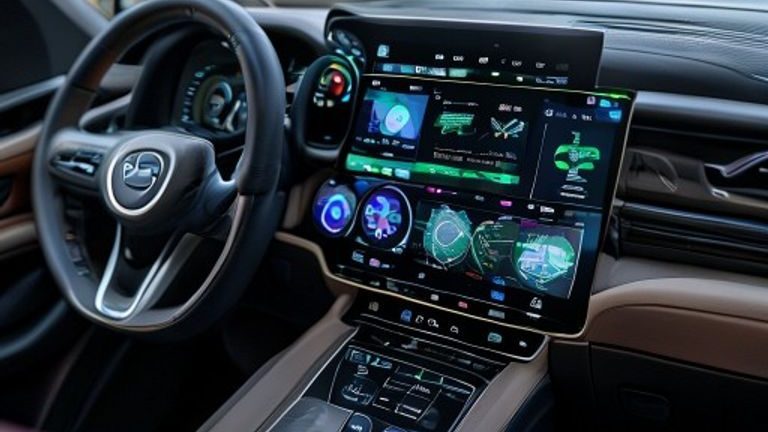
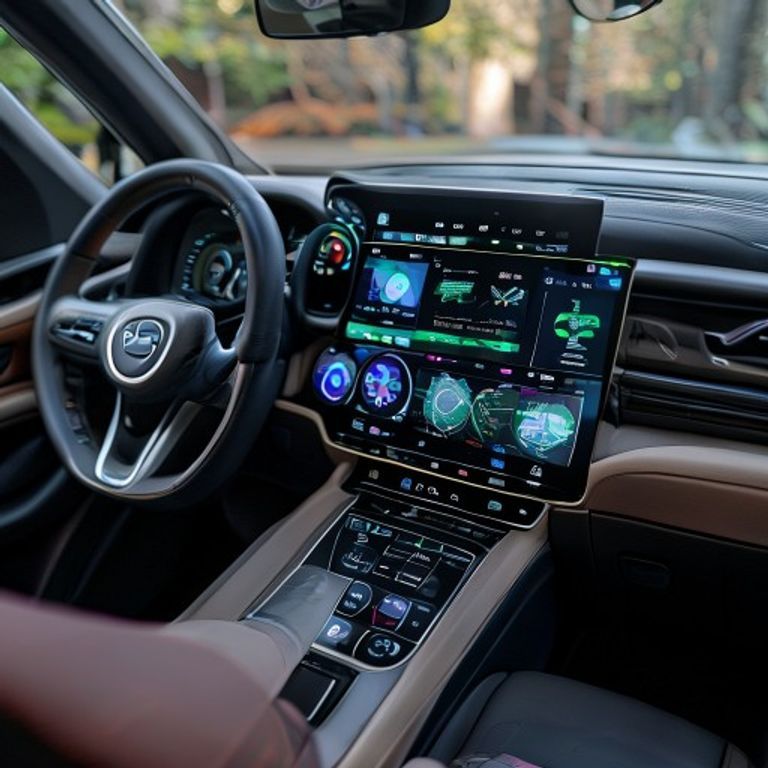
The 2026 Toyota RAV4 is poised to continue its reign as a top contender in the compact SUV segment, and a significant contributor to its anticipated appeal is a comprehensively updated infotainment system. Our initial interaction with the popular compact SUV’s fresh user interface revealed clear benefits, highlighted by a noticeably better layout and the integration of smart new features. These enhancements are designed to elevate the driver and passenger experience, making everyday journeys more intuitive, connected, and enjoyable.
This upgrade reflects a growing industry trend where the in-car digital experience is as crucial as traditional performance metrics. For a vehicle as ubiquitous as the RAV4, a substantial improvement in this area is not merely an incremental change but a strategic move to solidify its market position and meet the evolving expectations of today’s tech-savvy drivers. The focus is squarely on user-centric design, aiming to deliver a seamless and engaging interface.
The Evolving Role of In-Car Infotainment
In the modern automotive landscape, the infotainment system has transcended its original purpose of merely controlling audio. It has become the central nervous system of the vehicle’s digital world, integrating navigation, communication, entertainment, and even various vehicle settings into one cohesive unit. Drivers now expect their cars to offer a level of connectivity and intuitive operation comparable to their personal smartphones and smart devices.
For the 2026 RAV4, this means addressing key areas that define a premium in-car experience. A truly effective infotainment system is characterized by:
- Seamless smartphone integration, including wireless Apple CarPlay and Android Auto capabilities.
- Intuitive navigation systems with real-time traffic updates and clear directions.
- Enhanced voice command functionality that understands natural language.
- Personalization options that allow users to tailor the interface to their preferences.
- Over-the-air (OTA) update capabilities to keep the system current with new features and improvements.
These elements collectively contribute to a driving experience that is less distracting and more engaging, fostering a stronger connection between the driver and their vehicle.
Decoding « Better Layout »: Intuition and Accessibility
The descriptor « better layout » might sound simple, but its implications for user experience are profound. A superior layout in an infotainment system typically translates into a more intuitive visual hierarchy, where essential functions are clearly prioritized and easy to discern at a glance. This design philosophy aims to reduce the cognitive load on the driver, allowing for quicker and safer interaction with the system while on the move.
Key aspects of an improved layout often include:
- **Logical Organization:** Menus and settings are structured in a way that makes sense, minimizing the need to dig through multiple layers to find common functions.
- **Reduced Clutter:** A clean and uncluttered screen design ensures that crucial information stands out, preventing sensory overload.
- **Clear and Legible Graphics:** High-resolution displays with well-designed icons and fonts enhance readability and aesthetic appeal.
- **Customizable Home Screens:** The ability to personalize the home screen with preferred widgets and shortcuts provides quick access to frequently used applications and information.
- **Ergonomic Placement:** Physical and digital controls are often designed in conjunction, ensuring comfortable reach and interaction.
Our initial impressions suggest that the RAV4’s new system embodies these principles, fostering an environment where drivers can effortlessly navigate its features with minimal distraction.
Exploring « Smart New Features »: Connectivity and Convenience
Alongside the enhanced layout, the introduction of « smart new features » represents a significant leap forward for the 2026 RAV4. These features commonly encompass a range of technological advancements designed to enhance connectivity, convenience, and overall functionality. While specifics are often system-dependent, such features generally aim to integrate the vehicle more deeply into the user’s digital life and streamline various in-car tasks.
Common examples of smart new features that elevate the user experience include:
- **Advanced Voice Recognition:** Systems that understand more natural speech patterns and complex commands, reducing the need for rigid prompts.
- **Enhanced Connectivity Options:** This could mean additional USB-C ports, improved Bluetooth pairing, or more robust in-car Wi-Fi hotspot capabilities.
- **Integrated Digital Assistants:** Deeper integration with onboard or cloud-based AI assistants that can perform a wider array of tasks, from adjusting climate to sending messages.
- **Vehicle-Specific Applications:** New apps that provide greater control over vehicle functions, offer detailed diagnostics, or even facilitate remote interactions.
- **Contextual Information Display:** Smarter systems can anticipate user needs, displaying relevant information based on driving conditions, time of day, or calendar appointments.
These additions are crucial in a market where consumers expect their vehicles to be extensions of their connected lives, offering more than just transportation but a comprehensive digital ecosystem.
The Impact of a Refined User Interface
The cumulative effect of a better layout and smart new features is a refined user interface that dramatically improves the daily driving experience. During our hands-on exploration, the system demonstrated a level of responsiveness and fluidity that is essential for a premium feel. Transitions between menus were smooth, applications loaded quickly, and touch inputs registered accurately, all contributing to a sense of seamless operation.
A well-executed infotainment system minimizes frustration and enhances satisfaction. It means less time fumbling with controls and more time focused on the road, while still having access to vital information and entertainment. This improved interaction quality directly contributes to reducing driver distraction and overall stress, transforming routine commutes into more pleasant journeys. For the 2026 RAV4, this upgrade is about delivering a consistently positive and engaging interaction every time the driver gets behind the wheel.
Maintaining a Competitive Edge in the Compact SUV Segment
The compact SUV segment is one of the most hotly contested categories in the automotive industry, with numerous strong contenders vying for consumer attention. In this crowded market, differentiation often comes down to more than just powertrain and fuel economy; it increasingly relies on technological sophistication and the quality of the in-car experience. By significantly enhancing the infotainment system, Toyota is strategically positioning the 2026 RAV4 to maintain its competitive edge.
A superior infotainment system is now a key factor in purchase decisions for many buyers. It speaks to a vehicle’s modernity and its ability to keep pace with rapid technological advancements. This update ensures that the RAV4 not only meets but potentially exceeds customer expectations in terms of digital integration, appealing to a broad demographic that values both reliability and cutting-edge features.
Toyota’s Commitment to the Driver Experience
This substantial infotainment overhaul for the 2026 RAV4 underscores Toyota’s ongoing commitment to enhancing the overall driver and passenger experience. While Toyota has long been synonymous with reliability and practicality, this latest development signals a clear focus on integrating advanced technology in a user-friendly manner. It demonstrates an understanding that while the core engineering of a vehicle remains paramount, the digital interface is now equally vital for modern consumer satisfaction.
The move to implement a ‘better layout’ and ‘smart new features’ is reflective of a broader industry trend where manufacturers are investing heavily in HMI (Human-Machine Interface) design. Toyota’s approach with the RAV4 indicates a thoughtful consideration of how drivers interact with their vehicles on a daily basis, aiming to provide a more intuitive, less distracting, and ultimately more enjoyable environment.
Anticipating the Future of In-Car Technology
The introduction of the 2026 Toyota RAV4’s updated infotainment system marks a significant milestone for the popular model. By focusing on a better layout and introducing smart new features, Toyota has clearly aimed to deliver a premium digital experience that complements the RAV4’s established strengths. Our initial interaction suggests this is a major improvement that will be warmly received by current and future owners alike.
This forward-looking approach ensures the RAV4 remains a compelling choice, offering not just a reliable and efficient compact SUV, but also a sophisticated and highly connected mobile hub. As in-car technology continues to evolve, this foundational update positions the 2026 RAV4 to adapt and grow, providing drivers with an advanced and intuitive interface for years to come.
Source : https://www.caranddriver.com/news/a71154830/2026-toyota-rav4-infotainment-system-details/