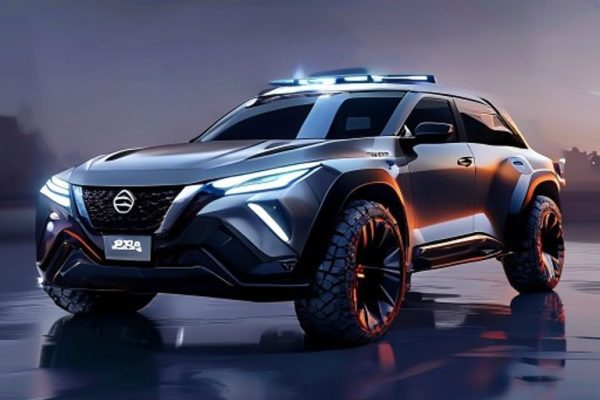


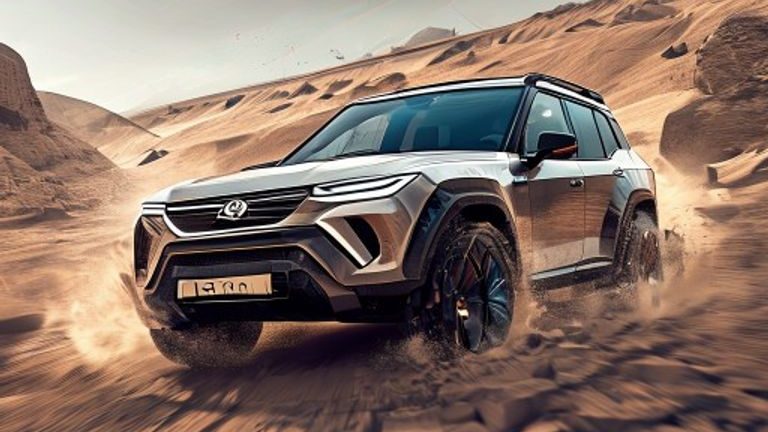
Ineos Automotive Charts New Course for Compact Off-Roaders
Ineos Automotive, the fledgling automaker known for its rugged, no-nonsense Grenadier SUV, is reportedly charting a new strategic course for its upcoming line of smaller off-road vehicles. Rather than simply scaling down the existing Grenadier platform, the company intends to seek external partnerships with other automakers to bring these more compact models to fruition. This strategic pivot highlights a pragmatic approach to market expansion and product diversification, recognizing the unique challenges and opportunities presented by the burgeoning smaller SUV segment.
The Grenadier, with its robust ladder-frame chassis, permanent four-wheel drive, and utilitarian design, was conceived as a spiritual successor to the original Land Rover Defender. It’s a vehicle built for serious off-roading and demanding conditions, emphasizing durability and capability above all else. However, adapting such a heavy-duty, large-scale architecture to a smaller footprint would likely entail significant engineering challenges and potential compromises on the very attributes that define a compact, urban-friendly yet capable off-roader. The decision to forgo a direct Grenadier derivative for its smaller siblings suggests Ineos understands the need for a distinct foundation better suited to different market demands.
The Rationale Behind External Collaborations
Automotive partnerships are not uncommon in an industry grappling with massive research and development costs, particularly in the race towards electrification and advanced driver-assistance systems. For a relatively new player like Ineos, leveraging the expertise, existing platforms, and production capacities of established automakers offers several compelling advantages:
- Cost Efficiency: Developing an entirely new platform from scratch is incredibly expensive. Partnering allows Ineos to share these costs, significantly reducing the financial burden.
- Speed to Market: Utilizing an existing, proven architecture can dramatically accelerate the development timeline, bringing new models to market much faster than an in-house build.
- Technological Access: Partners can provide access to advanced technologies, especially in areas like powertrain electrification, infotainment, or specific manufacturing processes that Ineos might not yet possess at scale.
- Market Expertise: Collaborating with a global player can offer insights into specific market nuances, supply chain efficiencies, and regulatory landscapes.
- Scalability: Partnerships can provide access to established production lines, enabling Ineos to scale production of its smaller models more efficiently.
This approach allows Ineos to maintain its focus on its core brand values of ruggedness and utility while benefiting from the economies of scale and specialized knowledge that a larger, more established partner can provide. It’s a smart play for a company aiming for rapid growth and diversification without overstretching its internal resources.
Chery Emerges as a Rumored Partner
Among the various automakers that Ineos might consider, rumors have specifically pointed towards a potential partnership with Chery Automobile. Chery, a prominent Chinese state-owned manufacturer, has a significant presence in global markets and a rapidly expanding portfolio of vehicles, including a strong focus on new energy vehicles (NEVs). The company is known for its diverse range of SUVs and sedans, and it has actively pursued international collaborations in the past.
While details remain unconfirmed and are purely speculative at this stage, a partnership with Chery could offer Ineos access to several key advantages:
- Platform Availability: Chery possesses a range of modern, modular platforms that could potentially be adapted for compact off-roaders, including those designed for various powertrain options, including electric.
- Electrification Technology: Given the global shift towards electric vehicles, Chery’s experience and investments in EV technology could be invaluable for Ineos’s future product roadmap.
- Manufacturing Scale: Chery’s large production capacity could support Ineos’s ambitions for higher volumes in the smaller SUV segment.
- Market Insights: A collaboration could offer Ineos deeper penetration and understanding of Asian markets, where Chery has a strong foothold.
It is crucial to emphasize that these discussions are, at present, firmly in the realm of rumor. Ineos Automotive has not publicly confirmed any specific partners for its future smaller off-roaders. However, the mention of Chery underscores the potential for a geographically diverse partnership, highlighting the global nature of the automotive industry and the strategic possibilities for a relatively new brand like Ineos.
Looking Ahead: Ineos’s Evolving Vision
The decision to seek external collaborations for smaller SUVs signifies an evolution in Ineos Automotive’s strategy. While the Grenadier established its niche as a serious, uncompromising off-roader, future models will need to cater to a broader audience demanding versatility, efficiency, and perhaps a smaller footprint for urban environments, without sacrificing the brand’s core ethos of capability. By partnering, Ineos can efficiently develop vehicles that meet these diverse requirements, expanding its market reach and reinforcing its position as a distinctive player in the global automotive landscape. The forthcoming announcements regarding these partnerships will undoubtedly shed more light on the exciting direction Ineos plans to take for its next generation of adventure-ready vehicles.
Source : https://www.caranddriver.com/news/a71255734/ineos-plans-partnership-smaller-suvs/