

In the highly competitive automotive landscape, the $30,000 price point for small cars represents a crucial battleground. It’s where value meets practicality, and efficiency often trumps outright power. For many, a vehicle in this segment is a significant investment, a daily companion, and a reflection of smart spending. But with numerous compelling options, each vying for attention with promises of comfort, technology, and reliability, a fundamental question emerges: does the perfect car for $30,000 truly exist?
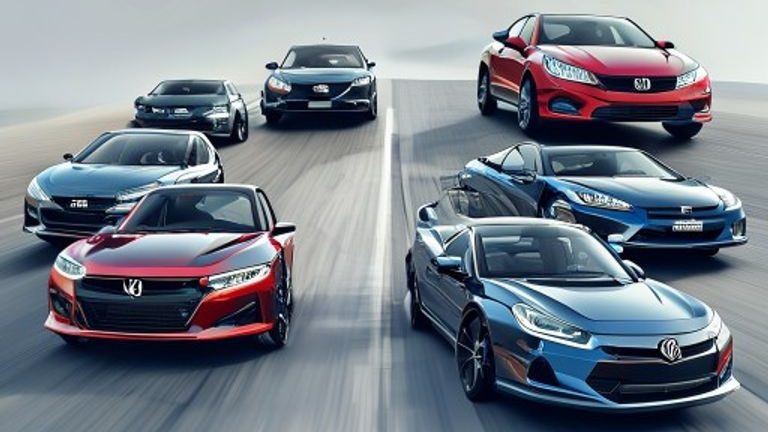
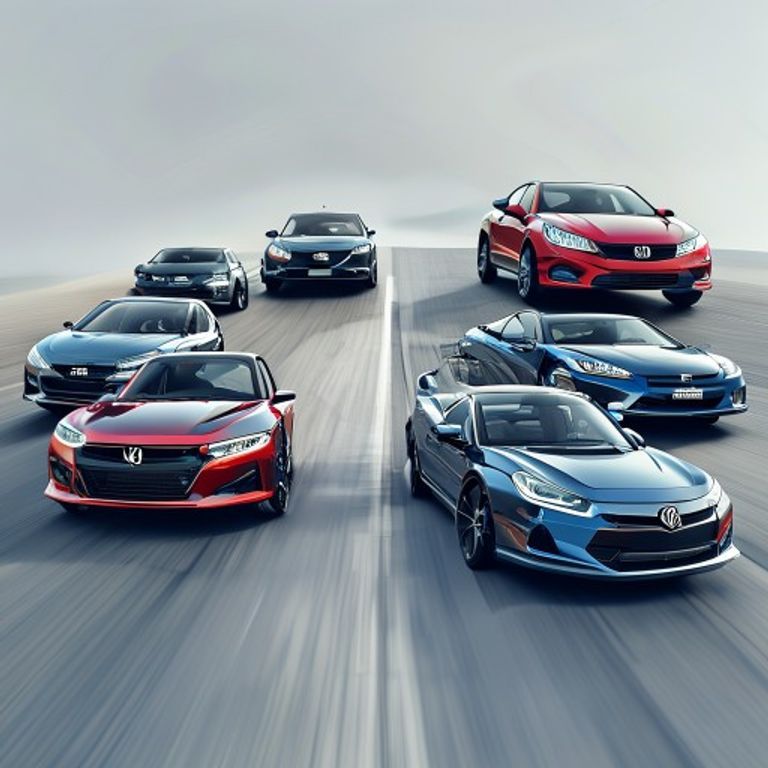
To address this perennial query, we’ve gathered six of the most prominent contenders in the compact sedan and hatchback arena. These vehicles represent a diverse cross-section of philosophies and engineering approaches, each bringing its own strengths to the table. They are the Honda Civic, Kia K4, Nissan Sentra, Subaru Impreza, Toyota Corolla, and Volkswagen Jetta.
The Contenders: A Diverse Lineup
This selection encapsulates the breadth of what the modern small car market offers. Each brand has a long-standing reputation in this segment, with some bringing decades of refinement and others representing fresh perspectives. Let’s briefly consider the general ethos each car typically embodies:
- Honda Civic: Often lauded for engaging driving dynamics, smart packaging, and a reputation for reliability, the Civic frequently sets a benchmark. It consistently balances sportiness with everyday usability.
- Kia K4: As a newer or recently updated entrant, the K4 is expected to bring Kia’s commitment to bold design, advanced technology, and a strong value proposition, often backed by an industry-leading warranty.
- Nissan Sentra: Typically focusing on a smooth ride, a spacious interior, and a suite of essential features, the Sentra often makes a compelling option for budget-conscious buyers seeking comfort and value.
- Subaru Impreza: Unique in this group for its standard Symmetrical All-Wheel Drive, the Impreza caters to those seeking enhanced traction and all-weather capability, alongside Subaru’s established safety credentials.
- Toyota Corolla: Synonymous with dependability and efficiency, the Corolla continues its legacy as a no-nonsense, highly reliable choice, appealing to a vast demographic looking for a stress-free ownership experience and excellent resale value.
- Volkswagen Jetta: The Jetta often stands out with its European-inspired driving feel, refined interior, and a strong emphasis on fuel economy, offering a distinct flavor compared to its Asian rivals.
Defining « Perfection » in a $30,000 Car
The concept of a « perfect car » is, of course, inherently subjective. What one driver considers essential, another might view as superfluous. However, within the $30,000 small car segment, certain attributes rise to the forefront of buyer expectations. Our comprehensive comparison aims to dissect these vehicles across a standardized set of criteria that matter most to consumers. These benchmarks include:
- Value Proposition: Beyond the sticker price, this encompasses standard features, available packages, warranty coverage, anticipated running costs, and projected resale value.
- Performance and Driving Dynamics: While none are outright sports cars, buyers expect competent acceleration, responsive steering, and a comfortable yet controlled ride. We evaluate engine response, transmission smoothness, and chassis composure.
- Interior Comfort and Practicality: This involves scrutinizing cabin space, cargo capacity, material quality, seat comfort, and overall ergonomic design. A perfect small car maximizes interior utility.
- Technology and Connectivity: Modern buyers demand seamless integration. We examine infotainment systems—their ease of use, responsiveness, and smartphone integration (Apple CarPlay, Android Auto). Advanced driver-assistance systems (ADAS) are also critical.
- Fuel Efficiency: A cornerstone of the small car segment, fuel economy is paramount. We analyze real-world fuel consumption against EPA estimates; lower running costs are a significant draw.
- Design and Styling: While subjective, exterior and interior aesthetics play a role in desirability. We consider how well each car’s design stands the test of time and contributes to its overall appeal.
- Brand Reputation and Ownership Experience: Beyond the vehicle itself, the reputation for reliability, dealer network, and the overall peace of mind contribute significantly to perceived « perfection. »
The Search for the Ideal Daily Driver
Each of these six vehicles has a compelling story and a distinct proposition for buyers. Some excel in efficiency, others in driving engagement, and still others in sheer value or practicality. The challenge, and the beauty, of this comparison lies in identifying which car strikes the most harmonious balance across these critical attributes, and whether any single contender rises above the rest to claim the title of « perfect. »
Ultimately, the « perfect » $30,000 small car may not be a one-size-fits-all solution, but rather the vehicle that most closely aligns with an individual’s specific needs, priorities, and lifestyle. Our in-depth evaluation will provide the insights necessary for prospective buyers to make an informed decision, highlighting the strengths and trade-offs of each model. Stay tuned as we delve deeper into the nuances of these formidable competitors.