

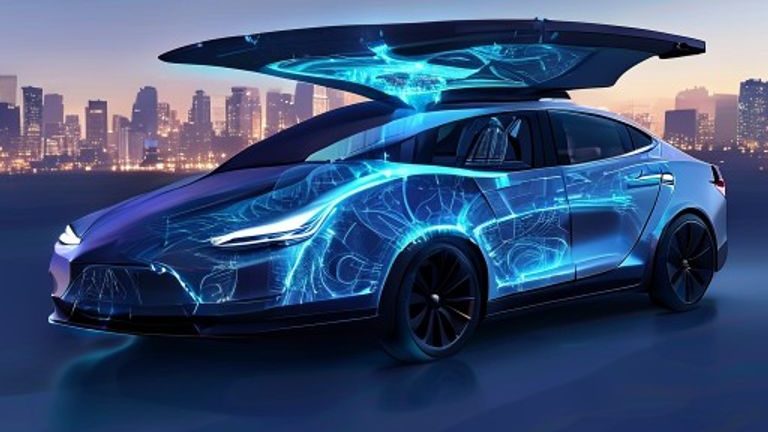

Pioneering EV Cooling: A Glimpse into Tesla’s Future Vision
The efficiency and longevity of electric vehicles (EVs) are profoundly influenced by their thermal management systems. From maintaining optimal battery temperatures to ensuring passenger comfort, how an EV handles heat is crucial. Tesla, a leader in electric vehicle technology, continuously explores innovative solutions, often revealing its advanced thinking through patent filings. These documents, while not guarantees of production, offer a fascinating preview into the company’s research and development efforts, hinting at a future where vehicle components serve multiple, integrated functions. One such area of intense focus appears to be novel approaches to cooling, particularly for the cabin and critical powertrain components, pushing the boundaries of what’s conventionally expected from automotive design.
Among the intriguing concepts emerging from recent patent activity is the integration of thermal management directly into the vehicle’s structural and aesthetic elements. Imagine a scenario where the expansive panoramic glass roof, a signature feature in many modern Tesla vehicles, actively contributes to the car’s climate control system. This innovative approach suggests a departure from traditional, separate air conditioning units, proposing a more holistic and energy-efficient method for regulating cabin temperature and overall vehicle thermal performance.
The Panoramic Glass Roof as an Active Thermal Component
The concept of a panoramic glass roof being part of the air-conditioning system is a radical rethinking of automotive climate control. Currently, large glass surfaces, while aesthetically pleasing and enhancing cabin spaciousness, are significant contributors to solar heat gain, often leading to a ‘greenhouse effect’ inside the vehicle. This phenomenon forces the conventional air conditioning system to work harder, consuming more energy and potentially impacting the vehicle’s range.
Tesla’s patent filings suggest a method to transform this liability into an asset. While specific details can vary across different patent applications, the core idea revolves around integrating micro-channels or fluid conduits directly within the layers of the glass roof. These channels could circulate a cooling fluid, such as a refrigerant or a coolant, effectively turning the roof into a large, active heat exchanger. As sunlight strikes the roof, the integrated system could absorb the thermal energy, preventing it from penetrating the cabin. This active heat rejection at the source could offer a multitude of potential benefits:
- Enhanced Cabin Comfort: By actively managing solar load, the system could maintain a more stable and comfortable cabin temperature, reducing hot spots and overall heat buildup.
- Improved Energy Efficiency: Mitigating heat at the roof level could significantly reduce the workload on the conventional HVAC compressor, leading to lower energy consumption and potentially extending the vehicle’s range.
- Faster Cooling Performance: An integrated roof system could accelerate the cooling of a hot cabin, especially after the vehicle has been parked in direct sunlight.
- Reduced System Complexity (Potentially): While the glass itself becomes more complex, the overall vehicle HVAC system might be simplified, or its components could be downsized due to reduced demand.
- Passive and Active Thermal Regulation: The system could potentially offer both cooling (absorbing heat) and, with modifications, even heating functions (radiating heat into the cabin) depending on the external conditions and desired interior temperature.
- Aesthetic and Structural Integration: A truly integrated system could eliminate visible vents or ducts associated with traditional AC in certain areas, contributing to a cleaner interior design.
However, implementing such a system presents significant engineering challenges. These include maintaining optical clarity and structural integrity of the glass, ensuring the durability of the internal fluid channels, managing potential repair complexities, and controlling manufacturing costs. Despite these hurdles, the exploration of such concepts underscores Tesla’s commitment to pushing technological boundaries in automotive design and thermal management.
The Broader Importance of EV Thermal Management
While the glass roof concept targets cabin comfort and solar load, it exists within a larger ecosystem of EV thermal management that is critical for overall vehicle performance and longevity. Efficient thermal management directly impacts:
- Battery Performance and Lifespan: Lithium-ion batteries operate most efficiently within a specific temperature window. Overheating can lead to accelerated degradation, reduced capacity, diminished power output, and even safety concerns. Conversely, extremely cold temperatures can reduce range and slow down charging rates. Robust cooling is particularly vital during high-power operations, such as fast charging and intense acceleration.
- Motor and Power Electronics Efficiency: Electric motors and the associated power electronics (inverters, converters) generate heat during operation. Maintaining optimal operating temperatures for these components is crucial for maximizing their efficiency, preventing thermal throttling, and ensuring consistent performance.
- Overall System Integration: An advanced thermal management system often involves a complex interplay of cooling loops for the battery, motor, power electronics, and cabin. Innovations that can consolidate or simplify these systems, like the proposed glass roof concept, could lead to more compact, lighter, and more energy-efficient vehicles.
Patents as a Window into Future Possibilities
It is important to remember that patent filings represent intellectual property and areas of active research and development, rather than definitive production plans. Companies like Tesla file numerous patents to protect their innovative ideas and secure their intellectual property in competitive markets. Not every patented concept will make it into a production vehicle, and some may evolve significantly before being commercialized. Nevertheless, these filings serve as valuable indicators of the direction a company’s engineers and designers are exploring.
Tesla’s continued investment in patents related to advanced thermal management signifies its ongoing quest for improvements in EV performance, efficiency, and user experience. By exploring radical ideas like an actively cooled glass roof, the company demonstrates its commitment to rethinking fundamental automotive design and engineering principles. Such innovations could pave the way for more comfortable, efficient, and ultimately more advanced electric vehicles in the years to come, further solidifying the potential for EVs to offer a superior driving and ownership experience.
Source : https://www.caranddriver.com/news/a71393499/tesla-evs-climate-management-system-patent/