
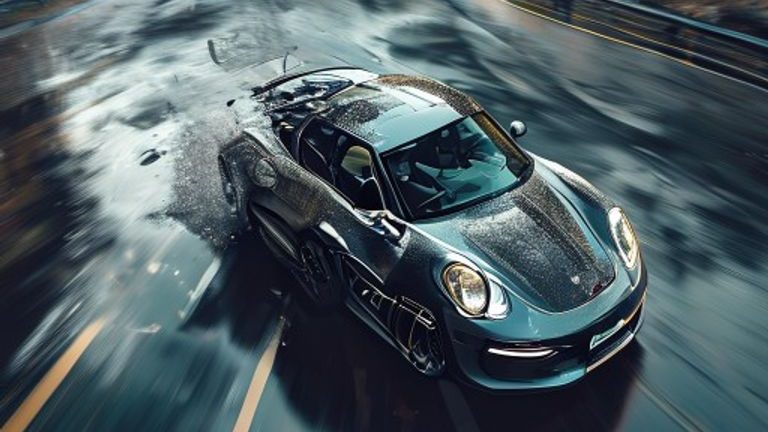
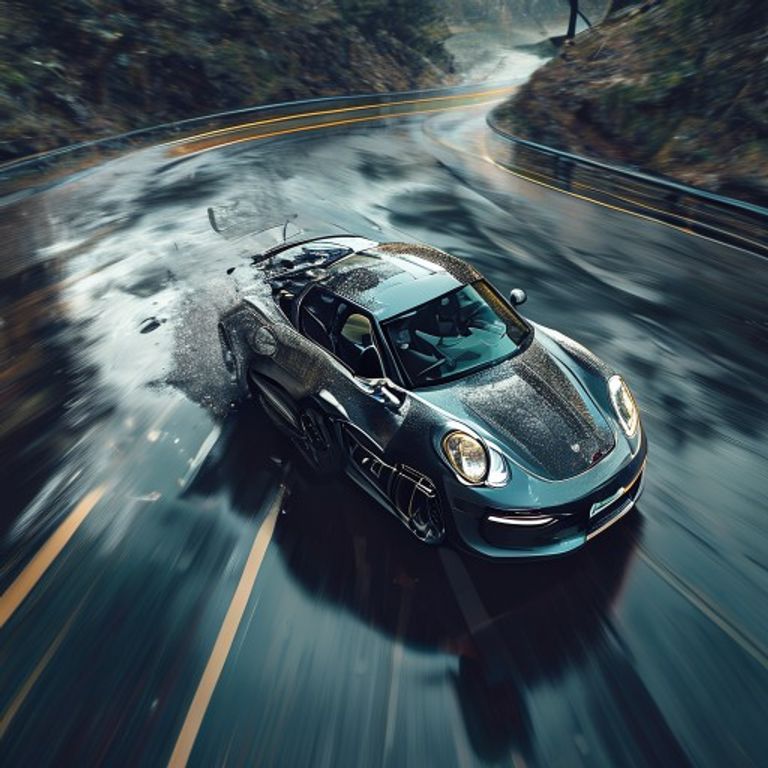
The announcement of the 2025 Porsche 911 Carrera 4 GTS Cabriolet naturally brings with it a flurry of anticipation and discussion among automotive enthusiasts. As a pinnacle of performance, luxury, and open-air driving, this particular variant of the iconic 911 line commands attention. However, its ‘4’ designation, signifying all-wheel drive, immediately sparks a perennial debate within the performance car world: does all-wheel drive genuinely enhance a car of this caliber, making it quicker and more adherent to the road, or does it primarily add weight and inflate the price tag without a commensurate return on the driving experience?
The Allure of All-Wheel Drive in a Performance Convertible
For many, the appeal of all-wheel drive in a high-performance vehicle like the 911 Carrera 4 GTS Cabriolet is undeniable. The primary theoretical benefit lies in its ability to distribute power to all four wheels, rather than just two. This capability is particularly advantageous in various driving scenarios, contributing to a sense of enhanced security and control.
- Superior Traction: In conditions of reduced grip—such as rain, snow, ice, or even loose gravel—AWD systems excel by distributing torque to the wheels with the most traction, significantly reducing the likelihood of wheelspin and improving forward momentum.
- Quicker Launches: The ability to put power down through all four tires often translates to more efficient and explosive acceleration from a standstill, potentially shaving precious tenths off 0-60 mph times, especially on less-than-perfect surfaces.
- Enhanced Stability: AWD systems can contribute to greater stability during cornering, particularly when exiting a turn under power. By intelligently distributing torque, the car can feel more planted and less prone to oversteer or understeer in certain situations.
- Increased Driver Confidence: For many drivers, the inherent grip and stability offered by AWD translate into a greater sense of confidence, allowing them to explore the car’s performance envelope more readily, particularly when conditions are challenging.
The Counterpoint: Weight, Cost, and Driving Purity
Despite the compelling advantages, the integration of an all-wheel-drive system is not without its trade-offs, particularly in a vehicle as meticulously engineered as a Porsche 911. Critics often point to several factors that might detract from the purist driving experience.
- Added Weight: An AWD system requires additional components—such as a front differential, driveshafts, a transfer case, and associated electronics—all of which add mass to the vehicle. This extra weight can theoretically impact acceleration, braking distances, and agile handling dynamics, even if subtly.
- Increased Complexity and Cost: More components mean a more complex drivetrain, which can lead to higher manufacturing costs and, consequently, a higher purchase price for the consumer. Maintenance might also be more involved and expensive over the car’s lifespan.
- Potential for a Different Driving Feel: While modern AWD systems are incredibly sophisticated, some driving purists argue that they can filter out some of the raw, unadulterated feel of a rear-wheel-drive car. The directness and the ability to adjust the car’s attitude purely with throttle input, which is a hallmark of RWD Porsches, might be subtly altered.
- Fractionally Lower Fuel Efficiency: The added weight and the slight parasitic losses from additional drivetrain components can sometimes result in marginally lower fuel economy compared to an equivalent rear-wheel-drive model.
The Porsche 911 Carrera 4 GTS Cabriolet Context
Applying this debate to the 2025 Porsche 911 Carrera 4 GTS Cabriolet requires considering the specific attributes of the vehicle. The ‘GTS’ designation signifies a model that blends enhanced performance—more power than the Carrera S, sportier suspension tuning, and upgraded brakes—with everyday usability. It is designed to be a driver’s car first and foremost. Furthermore, Porsche’s all-wheel-drive system, known as Porsche Traction Management (PTM), is renowned for its intelligence and rear-biased nature, meaning it primarily drives the rear wheels and only sends power to the front when needed. This sophisticated integration aims to retain as much of the quintessential 911 RWD feel as possible while offering the benefits of AWD.
The ‘Cabriolet’ aspect also plays a role. Convertibles often carry a slight weight penalty due to structural reinforcements needed to compensate for the absence of a fixed roof, and they can sometimes exhibit a subtle difference in chassis rigidity. Adding AWD to this configuration further increases weight, making the overall package heavier than a Carrera GTS Coupe, for instance. Yet, the open-air experience is paramount for Cabriolet buyers, suggesting that ultimate lightness might not be their sole priority.
So, Is All-Wheel Drive Worth It?
The fundamental question of whether all-wheel drive is ‘worth it’ for the 2025 Porsche 911 Carrera 4 GTS Cabriolet ultimately boils down to individual priorities, driving environment, and personal preference. For those living in climates with variable weather conditions, or drivers who frequently encounter challenging road surfaces, the enhanced traction and confidence afforded by the ‘4’ variant could be invaluable. Similarly, drivers prioritizing maximum launch performance and stability might find the AWD system to be a significant advantage.
Conversely, for the purist who drives exclusively in dry conditions, values the absolute lightest possible package, or seeks the most unadulterated rear-wheel-drive feel, the additional cost, weight, and complexity of AWD might seem superfluous. The rear-wheel-drive 911 GTS models are already incredibly capable and rewarding to drive. Ultimately, the 2025 Porsche 911 Carrera 4 GTS Cabriolet represents a compelling blend of open-top exhilaration, formidable performance, and the added layer of security and capability that its advanced all-wheel-drive system provides. Whether that balance aligns with a buyer’s definition of ‘worth it’ is a decision as personal as the car itself.
Source : https://www.caranddriver.com/reviews/a71430685/2025-porsche-911-carrera-4-gts-cabriolet-test/