

Mitsubishi’s Bold Move: The Eclipse Evolves into an Electric SUV
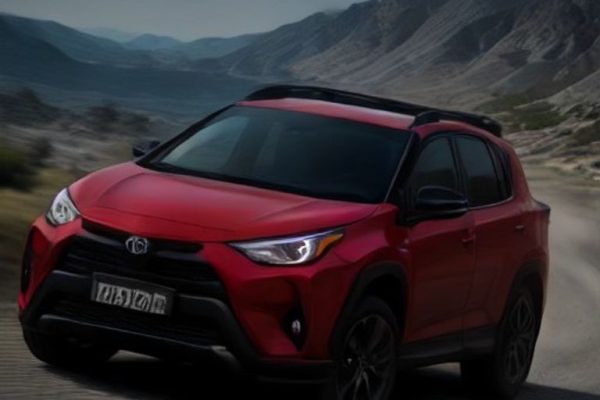
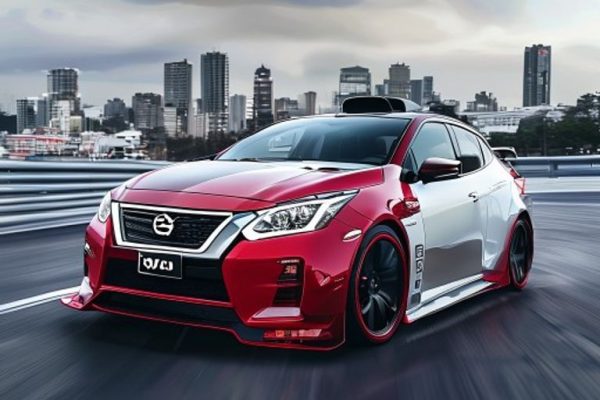
The automotive landscape is in a constant state of flux, with manufacturers frequently looking to their past to navigate the future. Mitsubishi Motors, a brand historically celebrated for its rugged SUVs and rally prowess, is once again embracing this strategy. Following the introduction of the Eclipse Cross compact SUV, the iconic « Eclipse » moniker is reportedly set for another revival, this time gracing a new subcompact electric vehicle (EV) that will leverage the proven Nissan Leaf platform.
This development signifies a substantial strategic shift for a nameplate once synonymous with accessible sports car performance. From its debut, the Eclipse captured the imagination of enthusiasts with its sleek design, potent engines, and significant tuning potential. Its evolution from a dynamic coupe to a practical crossover, and now to an urban-focused electric SUV, encapsulates broader industry shifts and Mitsubishi’s evolving identity within the extensive Renault-Nissan-Mitsubishi Alliance.
The Eclipse Legacy: From Sports Coupe to Crossover
For many car enthusiasts, the Mitsubishi Eclipse occupies a cherished place in automotive history. Launched in 1989 as part of a joint venture, the first-generation Eclipse, along with its siblings like the Eagle Talon, quickly distinguished itself in the burgeoning import sports compact segment. It offered an appealing combination of style, performance, and value, frequently featuring turbocharged engines and available all-wheel drive, a notable rarity at its price point. Across four generations, the Eclipse sustained its reputation as an exciting and attainable sports coupe. The second generation, particularly, became a pop culture icon, cementing its status as a symbol of accessible performance before its eventual discontinuation after the 2012 model year, a casualty of changing market preferences towards SUVs.
The name’s first resurrection came in 2017 with the Mitsubishi Eclipse Cross. This compact crossover SUV represented a stark departure from its two-door, low-slung predecessor, embracing four doors, increased ground clearance, and family-oriented practicality. While the vehicle itself earned praise for its distinctive design and available all-wheel-drive, its appropriation of the « Eclipse » name sparked considerable debate among brand loyalists. Manufacturers often repurpose established nameplates to capitalize on existing brand recognition, aiming to transfer positive associations to new models in highly competitive segments. The Eclipse Cross effectively showcased Mitsubishi’s commitment to the SUV market and its strategy of adapting heritage to contemporary demands.
Entering the Electric Era: The Leaf-Based Eclipse EV
Now, the Eclipse nameplate is poised for its latest transformation, venturing into the rapidly expanding electric vehicle sector. The prospect of a new subcompact EV bearing the Eclipse badge, specifically one utilizing the Nissan Leaf platform, is a clear indicator of Mitsubishi’s strategic direction within the Renault-Nissan-Mitsubishi Alliance.
Platform sharing is a fundamental principle of modern automotive manufacturing, particularly within large alliances. It empowers member companies to significantly curtail development costs and accelerate time-to-market by deploying existing, validated architectures. The Nissan Leaf, which has been a trailblazer among mass-market electric vehicles since its 2010 introduction, provides a well-established and rigorously tested foundation for a new EV. Being « Leaf-based » suggests that the new Eclipse EV will likely inherit the Leaf’s mature electric powertrain technology, encompassing its battery architecture, electric motor, and charging systems. While specific details regarding battery capacity, estimated range, or power output for the new Eclipse EV are not yet public, leveraging the Leaf’s platform offers a reliable and efficient starting point, enabling Mitsubishi to expedite its entry into the pure EV market without the extensive investment required for a ground-up electric platform.
Mitsubishi’s Electrification Strategy and Alliance Synergy
Mitsubishi is no stranger to electric vehicles, having launched the i-MiEV, one of the world’s first modern production EVs, over a decade ago. More recently, the brand has found success with plug-in hybrid electric vehicles (PHEVs), notably the Outlander PHEV, which has achieved strong sales in various global markets. The planned introduction of a full battery-electric vehicle under the Eclipse banner signals a renewed and stronger commitment to pure EVs and a broader integration of electrification across its product portfolio.
The decision to develop a subcompact EV further underscores Mitsubishi’s recognition of urban mobility requirements and the increasing global demand for smaller, more efficient electric cars. Such a vehicle would be ideally positioned to attract city dwellers and individuals seeking an eco-friendly solution for daily commutes, offering the agility and ease of parking crucial for urban environments. Utilizing the Alliance’s shared resources for this vehicle exemplifies the intended synergy of the partnership, allowing each brand to bolster its offerings and enhance its competitive edge in diverse global markets.
- Cost Efficiency: Platform sharing dramatically reduces research and development expenditures.
- Accelerated Market Entry: Leveraging established EV technology facilitates quicker product launches.
- Proven Technology: Benefits from the Nissan Leaf’s extensive real-world operational experience.
- Alliance Collaboration: Reinforces cooperative efforts within the Renault-Nissan-Mitsubishi partnership.
- Market Responsiveness: Addresses the growing worldwide demand for compact and electrified vehicles.
The Evolving Narrative of the Eclipse Nameplate
The journey of the Mitsubishi Eclipse nameplate offers a compelling case study of the automotive industry’s dynamic evolution. From a celebrated turbocharged sports coupe to a practical family crossover, and now to an upcoming subcompact electric SUV, the name’s continuous adaptation reflects shifting consumer priorities and the undeniable acceleration towards electrification. While some purists may naturally express nostalgia for its performance heritage, this latest iteration strategically places the Eclipse name at the forefront of Mitsubishi’s electric future. It aims to resonate with a new generation of environmentally conscious buyers who value efficiency, sustainability, and practical urban mobility. The Eclipse name, it is clear, is destined to continue its evolution, adapting to whatever the future of automotive transport demands.
Source : https://www.caranddriver.com/news/a71538062/2027-mitsubishi-eclipse-sportback-revealed/