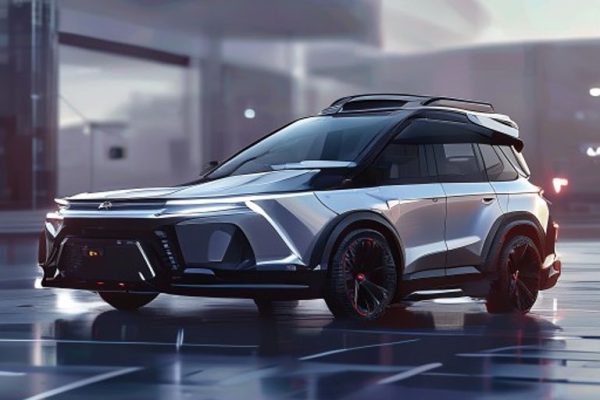


Stellantis, a global automotive leader, has initiated testing of advanced solid-state battery cells within a modified Dodge Charger Daytona. This crucial collaboration with battery supplier Factorial marks a significant step toward the next generation of electric vehicle technology. The trials aim to validate solid-state batteries’ promise of superior energy density and dramatically improved charging capabilities, positioning Stellantis at the forefront of EV innovation.
The Core of Innovation: Understanding Solid-State Batteries
Solid-state batteries represent a fundamental shift from conventional lithium-ion technology. Unlike traditional batteries that use a liquid or gel electrolyte, solid-state batteries employ a solid material to facilitate ion movement between the anode and cathode. This architectural change eliminates volatile liquid components, offering inherent advantages in performance and safety. Automakers view solid-state technology as a key enabler for unlocking the full potential of electric vehicles, addressing current limitations such as range anxiety and charging times.
Transformative Advantages: Range, Charging, and Safety
The integration of solid-state batteries into vehicles like the Charger Daytona holds the promise of significant advancements for electric mobility:
- Increased Energy Density: Solid-state cells store more energy per volume or weight. This means longer driving ranges or smaller, lighter battery packs, improving efficiency and freeing up vehicle space. For performance vehicles, this ensures sustained power without compromising range.
- Faster Charging: Solid electrolytes allow higher charging currents, potentially slashing charging times from hours to minutes. This dramatically enhances convenience and accelerates EV adoption.
- Enhanced Safety: Without a flammable liquid electrolyte, solid-state batteries inherently reduce thermal runaway and fire risks. This improves safety and simplifies thermal management.
- Potentially Longer Lifespan: Stable solid construction can contribute to better resistance against degradation, suggesting a longer overall battery lifespan for EVs.
Stellantis’ Strategic Leap into the EV Future
This initiative is central to Stellantis’ ambitious Dare Forward 2030 strategic plan, which targets 100% BEV sales in Europe and 50% in the U.S. by 2030. Investing in and testing solid-state technology is critical for meeting these goals, ensuring Stellantis can deliver competitive, high-performance, and appealing electric vehicles. By actively pursuing these advanced battery solutions, Stellantis aims to secure a technological edge, manage supply chain resilience, and reinforce its leadership in the evolving automotive landscape.
The Charger Daytona: A Performance Icon’s Electric Evolution
Choosing the Dodge Charger Daytona for these tests is both symbolic and practical. The Charger, renowned for its performance legacy, must demonstrate that its electric future can uphold, and even elevate, that heritage. Using a high-performance EV like the Daytona allows Stellantis engineers to rigorously evaluate solid-state battery capabilities under intense demands—from rapid acceleration to sustained power output—providing vital data for optimizing the technology in real-world driving scenarios. This choice also powerfully signals to enthusiasts that the electric Dodge will embody groundbreaking performance.
Factorial Energy: A Driving Force in Battery Innovation
Factorial Energy’s role as Stellantis’ partner is crucial. Factorial is a recognized leader in solid-state battery development, known for its proprietary Factorial Electrolyte System Technology (FEST™). This collaboration combines Stellantis’ automotive engineering prowess with Factorial’s specialized battery expertise, accelerating the research and development cycle. Such partnerships are vital for bringing complex, cutting-edge technologies from laboratories to commercial applications efficiently.
Navigating the Path to Commercialization
While promising, solid-state battery technology still faces significant hurdles before widespread commercialization. Key challenges include scaling up manufacturing processes to meet mass production demands affordably, ensuring long-term durability, and optimizing performance across a broad range of operating temperatures. The current testing phase with the Charger Daytona is therefore critical. It provides invaluable data for refining the technology, optimizing battery management systems, and addressing any unforeseen integration complexities, paving the way for eventual market deployment.
Conclusion: A Vision for Next-Gen Electric Mobility
Stellantis and Factorial’s testing of solid-state batteries in the Dodge Charger Daytona represents a pivotal moment for the electric vehicle industry. This initiative underscores Stellantis’ commitment to innovation, aiming to deliver electric vehicles with unparalleled range, rapid charging, and enhanced safety. As these tests proceed, the automotive world will closely watch for results that could fundamentally redefine consumer expectations and accelerate the transition to a fully electric future.