




A Dialogue Shaping Perception: General Motors’ Trajectory
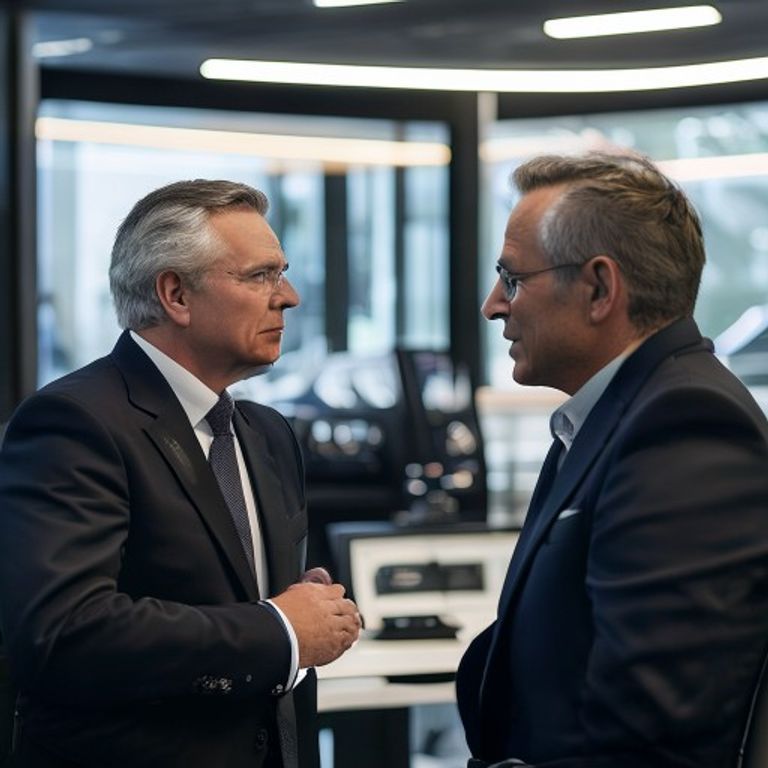
In the fast-evolving landscape of the automotive industry, understanding the vision of its leaders is paramount. A recent sit-down interview brought together two influential figures: Mark Reuss, President of General Motors, and Jamie Kitman, a respected voice in automotive journalism. Their extensive conversation delved into the multifaceted journey of General Motors, spanning its rich historical foundations, its dynamic present challenges, and its ambitious future aspirations. This dialogue offers a crucial lens through which to view the strategic direction of one of the world’s largest automakers.
Mark Reuss: The Steward of a Legacy and Architect of Tomorrow
Mark Reuss stands as a pivotal figure in the General Motors narrative. As President, he is not only responsible for the company’s global product development, design, and quality but also embodies a deep, personal connection to its legacy, having a family history interwoven with GM’s own. His role places him at the nexus of heritage and innovation, requiring a profound understanding of the company’s past triumphs and tribulations while simultaneously charting a course through unprecedented technological and market shifts. His leadership is central to guiding GM through its current transformation, making his insights into its trajectory particularly valuable to industry observers and enthusiasts alike.
Jamie Kitman: The Experienced Chronicler of Automotive Evolution
Jamie Kitman, with his extensive background in automotive journalism and commentary, is uniquely positioned to engage in such a high-level discussion. Known for his incisive analysis and deep historical perspective on the auto industry, Kitman brings a discerning eye to the conversation. His approach typically involves exploring not just the mechanics of product development or corporate strategy, but also the broader cultural, economic, and social impacts of automotive trends. An interview conducted by Kitman is often characterized by its depth, seeking to uncover the underlying philosophies and long-term implications behind corporate decisions, making him an ideal interlocutor for a wide-ranging discussion about GM’s entire lifespan.
Reflecting on the Foundations: GM’s Storied Past
Any comprehensive discussion about General Motors invariably begins with its past. The company’s history is a tapestry woven with iconic brands, groundbreaking innovations, and periods of immense growth and challenging contractions. From its early pioneering days in mass production and design leadership to navigating global conflicts and shifting consumer demands, GM has been a mirror to the industrial and economic evolution of the 20th century. A conversation with its president would naturally encompass reflections on the foundational decisions, technological milestones, and market dynamics that shaped GM into a global powerhouse. Understanding the lessons learned from decades of leadership, competition, and adaptation is crucial for appreciating the strategic pivots being made today.
Navigating the Currents: GM’s Dynamic Present
The present moment for General Motors, and indeed for the entire automotive sector, is defined by a confluence of revolutionary changes. The industry is undergoing a monumental shift towards electrification, autonomous driving technologies, enhanced connectivity, and software-defined vehicles. GM’s current initiatives, such as the development and deployment of the Ultium battery platform, its substantial investments in EV manufacturing, the growth of BrightDrop for electric commercial delivery, and the advancements in autonomous technology through Cruise, represent critical efforts to establish leadership in this new era. The challenges include managing complex global supply chains, intense competition from both legacy automakers and new entrants, and the immense capital expenditure required for this transformation. Discussions around the present would undoubtedly focus on how GM is addressing these multifaceted challenges and leveraging current opportunities.
Charting the Horizon: GM’s Ambitious Future
Looking ahead, General Motors has articulated a bold vision for the future, centered on the pursuit of “Zero Crashes, Zero Emissions, Zero Congestion.” This ambitious goal underpins its strategic roadmap towards a fully electric and more sustainable mobility future. The future trajectory involves not just the production of electric vehicles across all its brands but also the development of new business models, such as subscription services, advanced software capabilities, and integrated mobility solutions. The conversation between Reuss and Kitman would inevitably explore the long-term implications of these strategic imperatives, touching upon the technological breakthroughs, regulatory landscapes, and consumer adoption patterns that will define the automotive experience of tomorrow. It would also illuminate how GM plans to remain competitive and relevant in a world where personal transportation is being radically redefined.
The Significance of Such a Dialogue
A dialogue between a top executive and an insightful journalist like the one between Mark Reuss and Jamie Kitman serves a vital purpose. It provides a rare opportunity to gain perspective on the intricate workings and forward-thinking strategies of a major corporation. For stakeholders, investors, industry analysts, and the general public, such conversations offer clarity on how a company like General Motors intends to honor its past, navigate the complexities of the present, and decisively shape its future in a rapidly changing world. The interview underscores the continuous narrative of innovation, resilience, and strategic adaptation that defines General Motors.
Source : https://www.caranddriver.com/features/a71536090/gms-mark-reuss-tells-us-what-he-really-thinks/