
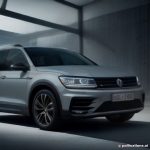


Volvo’s Electric Future: Sedan and Wagon Models on the Horizon for 2028
Automotive enthusiasts and industry watchers are abuzz with reports suggesting that Volvo is actively developing two new electric vehicles – a sedan and a wagon – with an anticipated launch in Europe by 2028. This move signifies a strategic expansion of Volvo’s electric portfolio beyond its growing SUV lineup. Crucially, while these models are initially targeting the European market, sources indicate that the Swedish automaker is carefully evaluating the potential for a subsequent introduction into the critical U.S. market.
The development of an electric sedan and wagon speaks volumes about Volvo’s commitment to offering a diverse range of body styles in the electrified era. For decades, Volvo has been synonymous with safety, practicality, and elegant design, particularly in the sedan and wagon segments. Reintroducing these beloved formats as pure electric vehicles could resonate strongly with a loyal customer base, while also attracting new buyers looking for alternatives to the ubiquitous SUV.
The Strategic Importance of Sedans and Wagons in an Electric World
In an automotive landscape increasingly dominated by sport utility vehicles, the decision to develop new electric sedans and wagons represents a bold strategic play by Volvo. While SUVs continue to capture significant market share, there remains a dedicated segment of consumers who appreciate the driving dynamics, lower center of gravity, and often more aerodynamic profiles of sedans and wagons. These characteristics are particularly advantageous for electric vehicles, potentially leading to improved efficiency and range.
Volvo’s legacy is deeply intertwined with these body styles. Its wagons, in particular, have garnered a cult following for their unparalleled practicality, safety features, and understated luxury. An all-electric wagon could perfectly blend this heritage with cutting-edge EV technology, offering spacious interiors, ample cargo capacity, and zero-emission performance. Similarly, an electric sedan from Volvo would aim to compete in a premium segment that values comfort, sophisticated design, and advanced driver assistance systems.
The 2028 timeline suggests that these vehicles will incorporate the very latest advancements in battery technology, electric motor efficiency, and charging infrastructure compatibility. By then, solid-state batteries might be closer to mass production, or current lithium-ion technologies will have achieved even greater energy density and faster charging capabilities. Volvo is likely to leverage its scalable electric vehicle architectures, allowing for flexible production and integration of advanced infotainment and safety systems that are becoming hallmarks of modern EVs.
European Genesis, Global Ambitions: The U.S. Market Evaluation
The initial focus on the European market for these electric sedan and wagon models is logical for several reasons. Europe has long been a strong market for both sedans and wagons, particularly in the premium segment where Volvo competes. Furthermore, stringent emissions regulations and a rapidly expanding charging infrastructure in many European countries make it an ideal launchpad for new EVs. Volvo also benefits from a robust brand presence and loyal customer base across the continent, which could ensure a strong initial reception for these models.
However, the contemplation of a U.S. introduction underscores Volvo’s global aspirations and the strategic importance of the North American market. While SUVs dominate U.S. sales, there is a burgeoning demand for premium electric vehicles across various body styles. The U.S. market presents both significant opportunities and unique challenges:
-
Market Dynamics:
Despite the SUV trend, a substantial segment of U.S. consumers still seeks premium sedans for their comfort, performance, and executive appeal. Electric wagons, while a niche, could find a receptive audience among those who prioritize versatility and driving enjoyment without opting for an SUV. Volvo could tap into a desire for distinctive, non-SUV electric offerings.
-
Competitive Landscape:
By 2028, the U.S. premium EV market will likely be even more crowded, with offerings from Tesla, Mercedes-Benz, BMW, Audi, Lucid, and Hyundai-Kia. Volvo’s entry would need to differentiate itself through its signature blend of Scandinavian design, safety innovations, and user-centric technology. An electric wagon, in particular, could offer a unique selling proposition.
-
Brand Identity:
Volvo has a well-established reputation in the U.S. for safety and sophisticated design. Introducing electric sedans and wagons could reinforce its premium positioning and showcase its forward-thinking approach to sustainable mobility, appealing to eco-conscious luxury buyers.
-
Infrastructure and Incentives:
The continued expansion of charging infrastructure across the U.S., coupled with potential federal and state incentives for EV purchases, could make a U.S. launch more viable. Volvo would need to ensure seamless charging solutions and competitive pricing to attract American buyers.
The Road Ahead for Volvo’s Electrification Strategy
The reported plans for an electric sedan and wagon align perfectly with Volvo’s ambitious goal of becoming an all-electric car company by 2030. These new models would fill important gaps in its electric lineup, offering alternatives to its current and upcoming electric SUVs like the EX30 and EX90. By providing a wider array of electric choices, Volvo aims to cater to diverse customer preferences and accelerate its transition away from internal combustion engines.
The decision regarding a U.S. launch will undoubtedly involve extensive market research, feasibility studies, and careful consideration of production capacities and logistics. Should Volvo decide to bring these electric sedan and wagon models to the United States, it would not only expand its local EV offerings but also make a significant statement about the enduring appeal and future relevance of these classic body styles in the age of electrification. The automotive world will be watching closely as Volvo continues to shape its electric destiny.
Source : https://www.caranddriver.com/news/a71943673/electric-volvo-sedan-wagon-2028-report/