


Nissan Signals Impending Altima Discontinuation in U.S. Market
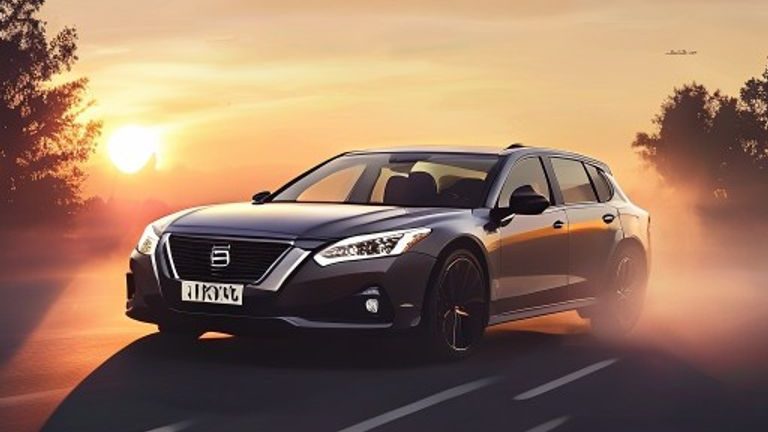
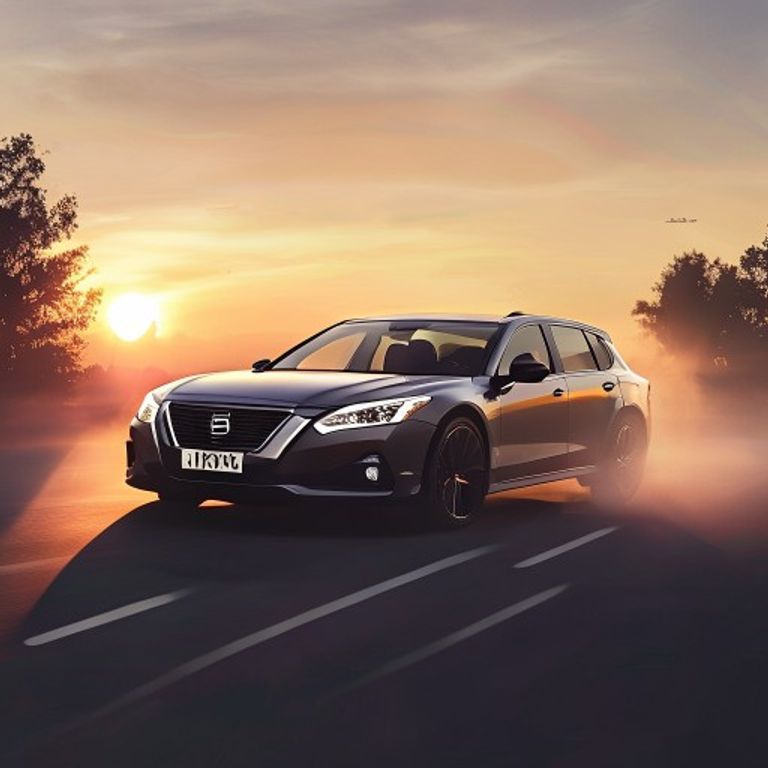
Nissan’s long-standing mid-size sedan, the Altima, appears poised for discontinuation in the United States, as the automaker prepares to significantly pare down its North American sedan offerings. According to insights provided by the brand’s chief product officer in North America, the company’s sedan lineup is set to become a ‘party of one,’ signaling a dramatic shift in its U.S. portfolio strategy. This move reflects a broader industry trend away from traditional sedans and toward more profitable, in-demand utility vehicles.
The decision to potentially phase out the Altima marks a pivotal moment for Nissan, which has historically relied on the model as a core volume seller in the fiercely competitive mid-size segment. While no specific timeline for the Altima’s exit was detailed, the announcement from a high-ranking product executive underscores the strategic direction Nissan is taking to optimize its product mix and concentrate resources on segments with stronger growth potential and consumer demand.
The Altima’s Enduring Legacy in a Changing Market
For decades, the Nissan Altima has been a familiar sight on American roads, offering a blend of practicality, comfort, and value to generations of car buyers. Introduced in the early 1990s, the Altima evolved from a compact entry to a robust mid-size competitor, consistently battling rivals from Toyota, Honda, and other manufacturers. It earned a reputation as a reliable daily driver, appealing to families, commuters, and fleet customers alike. Its various generations brought advancements in technology, powertrain options – including V6 engines and, more recently, a variable compression turbo engine – and design, maintaining its relevance in an ever-evolving market.
The Altima, particularly in its more recent iterations, also embraced features like available all-wheel drive, a notable differentiator in its segment, aiming to broaden its appeal to consumers in diverse climates. Its contribution to Nissan’s overall sales volume and brand presence in the U.S. has been significant, helping to establish Nissan as a formidable player in the mainstream automotive market. Its potential departure signifies not just the end of a model, but a tangible shift in consumer priorities and the strategic recalculation of major automakers.
Responding to Consumer Demand: The SUV and Crossover Ascendancy
The impending reduction of Nissan’s sedan lineup is a direct response to a seismic shift in consumer preferences that has reshaped the automotive landscape over the past decade. Buyers have increasingly gravitated towards SUVs, crossovers, and trucks, drawn by their perceived versatility, higher driving position, increased cargo capacity, and often, their rugged aesthetics. This trend has profoundly impacted the sedan segment, leading to declining sales volumes across nearly all manufacturers.
Many automakers, including major domestic players, have already significantly curtailed or eliminated their sedan offerings to focus on utility vehicles, which now dominate sales charts. Nissan itself boasts a robust lineup of SUVs and crossovers, including popular models like the Rogue, Kicks, Pathfinder, Murano, and Armada, alongside its Frontier and Titan trucks. By streamlining its sedan portfolio, Nissan aims to allocate more resources – from design and engineering to manufacturing and marketing – to these more in-demand and generally more profitable segments, ensuring its long-term competitiveness and financial health.
A ‘Party of One’: Which Sedan Will Remain?
The declaration that Nissan’s U.S. sedan lineup will become a ‘party of one’ leaves speculation as to which model will ultimately carry the torch. Currently, Nissan offers three sedans in North America: the Altima (mid-size), the Sentra (compact), and the Versa (subcompact). Given the Altima’s likely discontinuation, the choice will narrow to either the Sentra or the Versa.
- The Nissan Sentra: As a compact sedan, the Sentra typically occupies a critical position in the market, offering a step up in size, features, and refinement from entry-level subcompacts. It caters to a wide audience seeking a practical, efficient, and well-equipped daily driver that offers more space than a smaller car. Maintaining the Sentra could allow Nissan to retain a presence in a segment that, while shrinking, still attracts a significant number of buyers, particularly those prioritizing value and traditional sedan attributes.
- The Nissan Versa: The subcompact Versa serves as Nissan’s most accessible and affordable entry point into its vehicle lineup. It appeals to budget-conscious buyers, first-time car owners, and those who prioritize maximum fuel efficiency and urban maneuverability. Keeping the Versa would ensure Nissan continues to offer a compelling option at the very entry-level of the market, potentially attracting new customers to the brand before they might consider upgrading to an SUV.
Regardless of which model ultimately remains, the strategy indicates a focused approach: offering a single sedan to cater to a specific niche of buyers who still prefer the form factor, while pouring the majority of its development and marketing efforts into its thriving SUV and truck segments, as well as its growing electric vehicle initiatives.
Nissan’s Forward-Looking Portfolio and Strategic Implications
This strategic streamlining of Nissan’s U.S. lineup aligns with the company’s broader global business transformation plans, often referred to as ‘Nissan NEXT.’ These plans emphasize a focus on core markets and products, aiming for sustained growth and profitability through operational efficiency and targeted investments. By letting go of models that no longer meet strategic objectives or consumer demand, Nissan can free up capital and engineering talent to accelerate development in key areas such, as electrification, advanced driver-assistance technologies, and connected services.
The departure of a long-standing nameplate like the Altima is more than just a model change; it signifies Nissan’s pragmatic adaptation to a rapidly evolving automotive industry. It underscores a commitment to a leaner, more agile portfolio that is better positioned to meet future market demands and leverage emerging trends. For consumers, it means a more focused Nissan showroom, predominantly featuring a diverse array of utility vehicles and, for the foreseeable future, a singular, strategically chosen sedan.
Source : https://www.caranddriver.com/news/a71942548/nissan-altima-officially-being-discontinued/