



A Glimpse into the Future: The Elusive Prototype
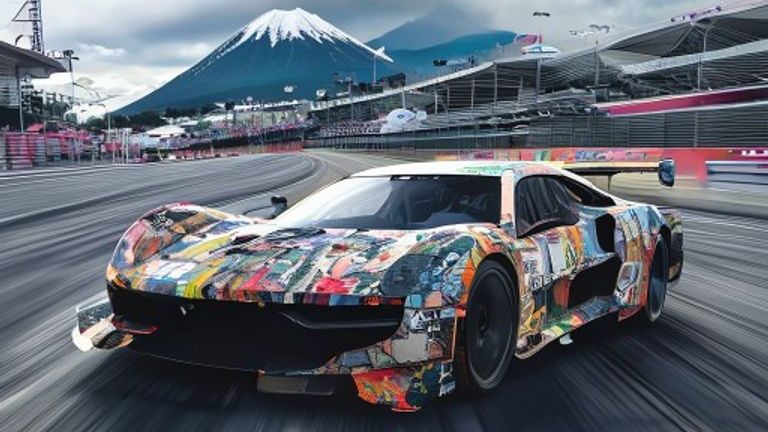
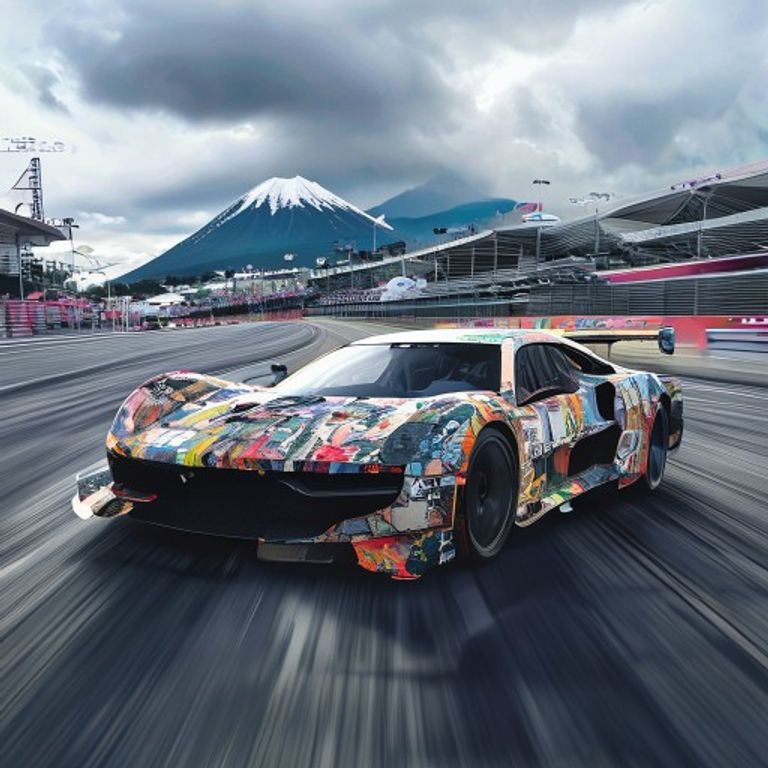
A recently surfaced video, widely disseminated across automotive enthusiast platforms, has ignited considerable excitement and speculation within the industry. The footage, captured at Japan’s renowned Fuji Speedway, showcases what appears to be an early development prototype from Toyota. Characterized by its distinctly « motley bodywork » – a clear hallmark of a vehicle in its nascent testing phases – this mysterious car is fueling rumors of a potential revival for a storied nameplate: the Toyota MR2. While official details are non-existent, such early sightings provide invaluable, albeit speculative, glimpses into manufacturers’ future product strategies.
Fuji Speedway: A Strategic Testing Ground
The choice of Fuji Speedway for these tests is highly strategic. As a premier motorsport facility nestled at the base of Mount Fuji, its challenging track configurations, including high-speed straights and demanding technical corners, make it an ideal crucible for rigorous automotive development. Japanese automakers frequently leverage Fuji’s diverse layout for everything from high-performance evaluation and chassis dynamics assessment to powertrain calibration in a controlled and relatively private environment. Despite these security measures, the occasional sighting by sharp-eyed individuals reminds us that the quest for automotive innovation is a continuously observed process.
Decoding the Prototype: Test Mules and Their Disguises
The description of the spied vehicle as a « test mule » with « motley bodywork » offers critical clues about its stage of development. A test mule is essentially a Frankenstein-esque vehicle, often combining new mechanical components (like an engine, transmission, or suspension) with an adapted existing body shell or a crudely constructed, non-production outer shell. Its primary objective is functional testing, not aesthetic presentation. The « motley bodywork » further emphasizes this:
- Camouflage: It effectively conceals the vehicle’s true design, preventing premature reveals of its styling.
- Utility: The patchwork nature allows for easy modifications, component swaps, and access for engineers during testing.
- Cost-Efficiency: Early prototypes prioritize function over form, utilizing readily available or quickly fabricated parts.
This appearance strongly indicates that if this vehicle is indeed a precursor to a new model, it is still very far from its final production form. The focus at this stage would predominantly be on fundamental engineering principles and dynamic performance.
The Enduring Appeal of the Toyota MR2 Legacy
The immediate association of the prototype with the Toyota MR2 is deeply rooted in the model’s historical significance. The MR2, an acronym standing for « Mid-engine, Runabout, 2-seater, » represented a distinct approach to the sports car segment across its three generations (AW11, SW20, ZZW30) from 1984 to 2007. Its key characteristics were:
- Mid-engine layout: Providing exceptional weight distribution and renowned handling agility.
- Lightweight construction: Contributing to its responsive and engaging driving dynamics.
- Accessible performance: Delivering an exotic driving experience at a relatively attainable price point.
A potential revival of the MR2 would perfectly complement Toyota’s current « three brothers » sports car philosophy, envisioned by Akio Toyoda. This strategy already includes the GR86 and GR Supra, and a mid-engine, pure enthusiast machine would undoubtedly add a thrilling new dimension, appealing both to nostalgic fans and a new generation of drivers seeking a unique sports car experience.
The Long Road from Prototype to Production
Witnessing a test mule at Fuji Speedway signifies only the very beginning of an arduous and multi-phased automotive development cycle. This initial stage, focused on validating core mechanicals, is followed by:
- Alpha Prototypes: Incorporating more complete systems, still often disguised.
- Beta Prototypes: Closer to production specification, used for extensive durability and regulatory compliance testing.
- Pre-Production Builds: Assembled on the final production line to refine manufacturing processes.
This meticulous process typically spans several years, implying that any vehicle stemming from this sighting is likely a considerable time away from an official public debut and subsequent market release. The patience of enthusiasts will certainly be tested as they await further glimpses and official announcements.
Conclusion: Speculation Abounds, Confirmation Awaits
The emergence of video footage showing a disguised prototype undergoing rigorous testing at Fuji Speedway has undeniably stirred the automotive world. The prevalent speculation linking this mysterious vehicle to a potential Toyota MR2 revival is compelling, resonating with Toyota’s revitalized focus on engaging sports cars. However, it is paramount to reiterate that all information at this juncture is derived from unofficial sightings and keen observation. Without direct confirmation from Toyota, details regarding the prototype’s true identity, its intended purpose, powertrain specifications, or ultimate design remain firmly within the realm of conjecture. The automotive community will undoubtedly remain vigilant, eagerly anticipating any official communications that could shed definitive light on this intriguing development.
Source : https://www.caranddriver.com/news/a73229668/toyota-mr2-spy-photos-video/