


A Bold Ambition Undone: BMW’s G-Wagen Competitor Reportedly Scrapped
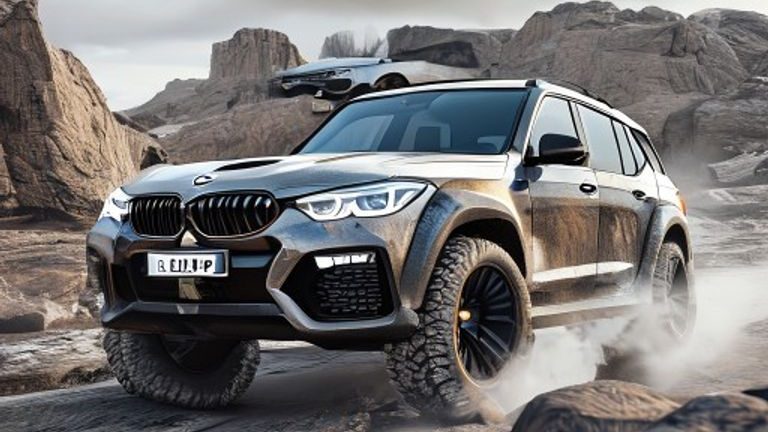
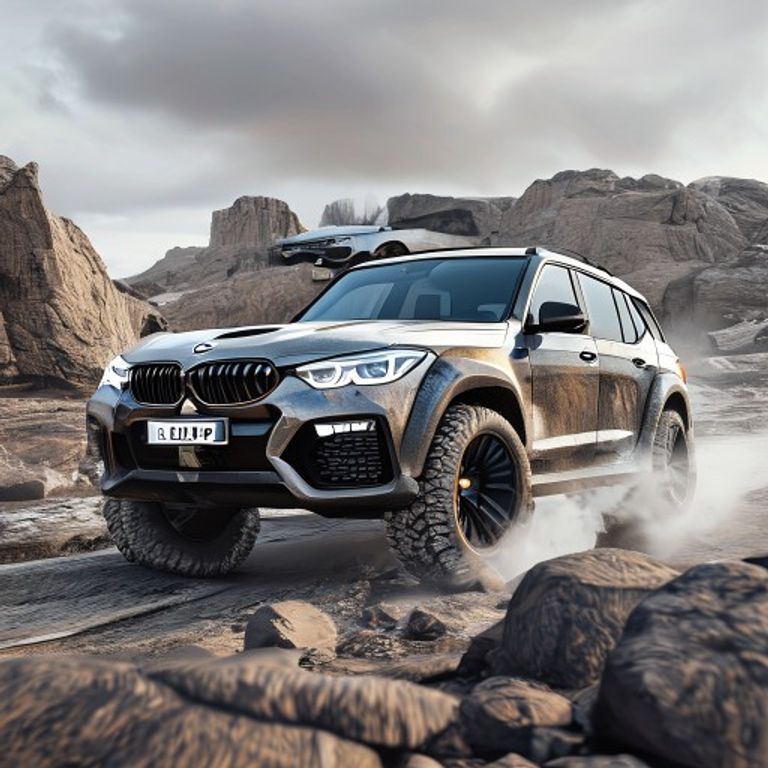
In the ever-competitive landscape of luxury automotive manufacturing, whispers of ambitious new projects often circulate, igniting excitement among enthusiasts and industry observers alike. One such project, a reportedly off-road-focused vehicle from BMW, intended to challenge the formidable Mercedes-Benz G-Class, has now met an unfortunate fate. According to recent reports, this rugged model, which would have been built upon the foundation of the current BMW X5 platform, has been scrapped and may never see the light of day, leaving a void for those who dreamt of a true Bavarian off-road behemoth.
The Mercedes-Benz G-Class, affectionately known as the G-Wagen, occupies a unique and revered position in the automotive world. It’s a vehicle that seamlessly blends old-school, utilitarian charm with modern luxury and cutting-edge technology, all wrapped in an iconic, boxy silhouette. Renowned for its unparalleled off-road capabilities as much as its celebrity appeal and high price tag, the G-Wagen is a profit powerhouse and a brand icon for Mercedes-Benz. For any manufacturer to contemplate entering this specific niche is a testament to its allure and the potential for lucrative returns, suggesting that BMW recognized a valuable opportunity to diversify its luxury SUV portfolio.
The Vision: A Rugged BMW for the Wild
The concept of an X5-based, off-road-focused BMW G-Wagen competitor was, on paper, an intriguing proposition. BMW’s current X-series lineup, while offering all-wheel drive and respectable capability on gravel roads or light trails, is primarily designed as ‘Sports Activity Vehicles’ (SAVs) or ‘Sports Activity Coupes’ (SACs). Their engineering ethos prioritizes on-road driving dynamics, luxurious comfort, and sophisticated technology. A vehicle explicitly engineered to tackle extreme terrain, with the ruggedness and ground clearance associated with serious off-roaders, would have represented a significant departure from BMW’s established SUV identity.
Such a model would have likely incorporated strengthened chassis components, advanced four-wheel-drive systems with potentially low-range gearing, robust suspension systems designed for maximum articulation and travel, and a much higher ground clearance than typically found on a standard X5. It would have required a utilitarian aesthetic, perhaps echoing some of the G-Wagen’s functional design cues, while still maintaining a distinctive BMW flair. The ambition would have been to merge BMW’s reputation for precision engineering and premium materials with the unyielding durability and capability required for genuine off-road expeditions.
Platform Ponderings: The X5 Foundation and Its Challenges
The decision to base this prospective off-roader on the X5 platform, which utilizes BMW’s highly modular CLAR (Cluster Architecture), made practical sense from a manufacturing perspective. Leveraging an existing platform can significantly reduce development costs and streamline production processes. The X5’s platform is known for its rigidity, advanced material usage, and adaptability for various powertrains, including electrification. However, it is fundamentally a unibody construction, optimized for on-road performance, safety, and a refined driving experience.
Transforming a unibody platform, which integrates the body and frame into a single structure, into a true competitor for a vehicle like the G-Wagen presents substantial engineering hurdles. The G-Wagen, historically, relies on a robust body-on-frame construction, a design choice that offers superior torsional rigidity for extreme terrain, allowing for greater wheel articulation and durability under stress. Adapting a unibody X5 platform to withstand the same kind of punishment, including potential for massive suspension travel, heavy-duty underbody protection, and extreme approach/departure angles, would require a monumental amount of re-engineering, effectively pushing the platform far beyond its original design parameters. This could lead to a compromise in either off-road capability or BMW’s expected on-road refinement, or simply inflate development costs beyond what was deemed economically viable.
The Reported Demise: Unpacking the ‘Scrapped’ Narrative
The reported cancellation of such a high-profile project, even one based on an existing platform, is a complex decision in the automotive industry. It rarely stems from a single factor but rather a confluence of strategic, financial, and technical considerations. While BMW has not issued an official statement regarding this specific project, industry analysts can infer several potential reasons for shelving what could have been a significant addition to its lineup.
- Market Viability and Competition: The luxury extreme off-road segment is niche. While profitable, it is dominated by established players like the Mercedes-Benz G-Class and, more recently, the Land Rover Defender. BMW might have concluded that capturing a meaningful share without immense investment and a clear differentiation strategy would be too challenging.
- Cost-Benefit Analysis: The extensive re-engineering required to transform an X5 platform into a G-Wagen rival, coupled with the projected sales volumes for such a niche vehicle, might not have met BMW’s internal profitability targets. Development costs could have simply outweighed the anticipated returns.
- Technical Hurdles: As discussed, fundamentally changing the character of a platform designed for different purposes is incredibly complex. The engineering challenges to achieve G-Wagen level off-road capability while maintaining BMW’s quality and reliability standards, all within a reasonable budget, might have proven insurmountable.
- Strategic Focus and Resource Allocation: With the automotive industry rapidly shifting towards electrification and autonomous driving technologies, BMW is heavily investing its resources in these critical areas. Diverting significant engineering and financial capital to a niche internal combustion engine (ICE) off-roader might no longer align with the company’s long-term strategic priorities.
- Brand Alignment: Introducing a vehicle that deviates so dramatically from BMW’s ‘Ultimate Driving Machine’ ethos and its SAV identity could have posed a brand dilution risk, requiring careful positioning that perhaps proved too difficult to achieve without alienating existing customers or confusing the market.
What This Means for BMW’s Future
The reported shelving of the X5-based G-Wagen competitor signals BMW’s likely recommitment to its core strengths and current product strategy. Rather than venturing into an entirely new and challenging segment, the company appears poised to continue refining its successful X-series SAVs and SACs, pushing the boundaries of luxury, performance, and electrification within its established segments. This could mean increased focus on expanding its electric SUV offerings, enhancing the capabilities of its existing X models, or exploring new innovations in sustainable mobility.
While the dream of a hardcore, X5-derived off-road BMW may now be off the table, the luxury off-road market continues to evolve. Competitors like the G-Class are also adapting, with electric versions on the horizon. For now, BMW enthusiasts looking for rugged capability will likely have to continue turning to other brands, as the Bavarian automaker seems content to dominate the paved and light-trail segments it knows best. The ‘what if’ of a truly formidable BMW G-Wagen rival will remain a fascinating footnote in the company’s modern history.
Source : https://www.caranddriver.com/news/a73307305/bmw-x5-based-off-roader-canceled/