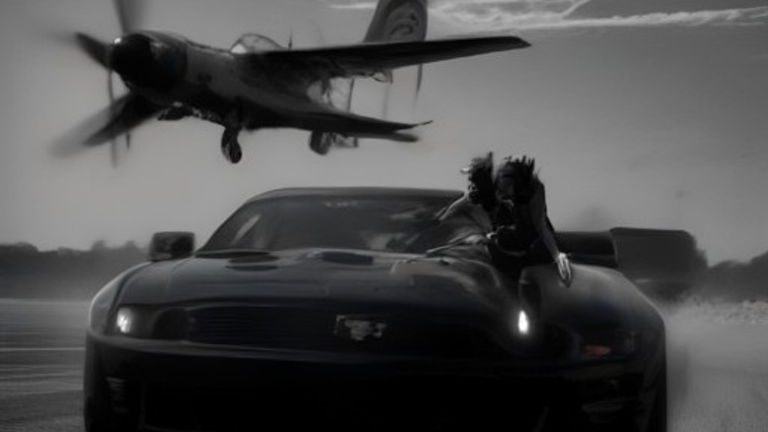
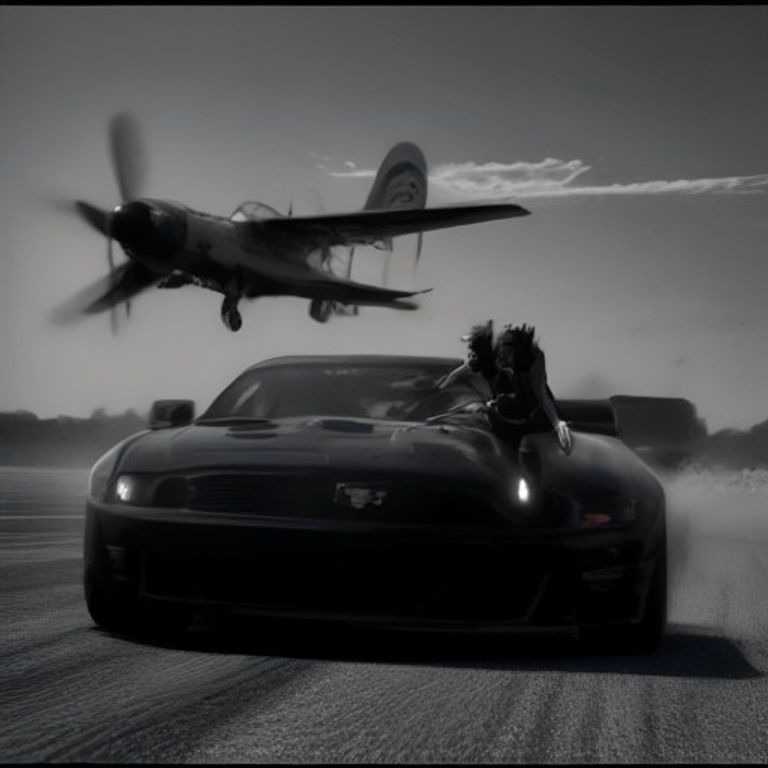
The name ‘Mustang’ evokes a singular image: untamed power, blistering speed, and an undeniable spirit of freedom. It’s a moniker so potent it has graced two of history’s most iconic machines, one dominating the asphalt, the other conquering the skies. On the surface, comparing a high-performance street machine like a Roush Mustang to a legendary World War II fighter plane, the P-51 Mustang, might seem like a whimsical exercise in fantasy. Yet, beneath the obvious distinctions of their operating environments, lies a profound shared philosophy of engineering excellence, raw performance, and cultural impact that makes such a conceptual juxtaposition surprisingly compelling. This isn’t about a literal contest, but an exploration of an unparalleled legacy and the pursuit of ultimate performance across different realms.
The Automotive Legend: Roush Mustang
Born from the venerated Ford Mustang lineage, the Roush Mustang represents the pinnacle of American muscle car modification. Jack Roush, a titan in motorsport, takes an already formidable platform and elevates it to extraordinary new heights. A Roush Mustang is a comprehensive re-engineering project focused on transforming the vehicle into a track-ready beast that still retains street legality. Every aspect, from the supercharged V8 powertrain delivering staggering horsepower and torque, to the meticulously refined suspension, larger brakes, and aggressive aerodynamics, is geared towards unadulterated speed and precision. The guttural roar of the exhaust, the distinctive whine of the supercharger, and the sheer visual presence combine for a sensory overload. It embodies the relentless pursuit of automotive perfection, crafted for those who demand an experience that pushes conventional boundaries.
The Aviation Icon: P-51 Mustang Fighter Plane
Ascending from the ground to the sky, we encounter the other legendary ‘Mustang’: the North American P-51 Mustang. This aircraft is not just a plane; it’s a symbol of Allied air superiority during World War II, a marvel of wartime engineering. Its full potential was unlocked with the integration of the British Rolls-Royce Merlin engine, transforming it into one of the most effective and versatile fighters of its era. The P-51 was celebrated for its exceptional speed, incredible range—thanks to its laminar flow wing design and internal fuel capacity complemented by external drop tanks—and formidable armament. Serving as a long-range escort fighter, it protected bomber formations deep into enemy territory with devastating efficiency. Pilots revered the P-51 for its responsiveness, maneuverability, and robust construction. Its sleek, iconic silhouette became a beacon of hope, transcending its military function to become a cultural icon representing innovation, courage, and the relentless drive to overcome challenges.
A Tale of Two Mustangs: Shared Philosophies
While one carves canyons and the other soared through stratospheres, the Roush Mustang and the P-51 Mustang share an intangible, yet undeniable, spiritual kinship. Their conceptual confrontation reveals more common ground than disparate origins. Despite their obvious differences in environment and primary function, both machines articulate a common language of high performance and iconic status:
- The Name and Spirit: ‘Mustang’ symbolizes something wild, powerful, and free. For the car, it’s the untamed force of its engine unleashed on the asphalt. For the plane, it was the freedom to roam enemy skies, protecting and dominating. Both evoke boundless capability and a challenge to limits.
- Engineering Zenith: Each represents the pinnacle of engineering for its specific purpose and era. The P-51’s laminar flow wing was a revolutionary aerodynamic innovation. Roush’s superchargers, finely tuned suspension, and aerodynamic enhancements push automotive performance boundaries. Both prioritize efficiency, speed, and control.
- Visceral Experience: Driving a Roush Mustang is an intensely visceral experience – sound, acceleration, G-forces. The connection between pilot and machine in a P-51 was equally profound, demanding skill, precision, and courage. Both machines become extensions of their operators’ will.
- Enduring Legacy: Both have etched their names into history as cultural icons. The P-51 is revered in aviation museums and airshows, a tangible link to a pivotal global moment. The Roush Mustang continues the American muscle car legacy, pushing performance envelopes. They stand as testaments to human ingenuity.
- The Human Element: Ultimately, both were designed for intense human interaction. The P-51 was a life-saving tool demanding extreme proficiency. The Roush Mustang demands respect and skill from its driver to exploit its capabilities. The human at the controls is central to unleashing either machine’s true potential.
In a world often quick to categorize and separate, the conceptual comparison of a Roush Mustang and a P-51 Mustang transcends their fundamental differences. It highlights the universal human aspiration for speed, power, and freedom, manifesting in different forms across different domains. Whether it’s the roar of a supercharged V8 echoing through city streets or the distant drone of a Merlin engine recalling a bygone era of aerial heroism, both ‘Mustangs’ represent the pinnacle of their respective crafts. They are not merely modes of transport; they are statements, legends forged in steel and aluminum, forever bound by a name that symbolizes the wild, untamed spirit of performance and the enduring allure of pushing limits.