
California’s Unexpected Shift: Hybrids Outpace EVs in Early 2026 Registrations
New data emerging from California reveals a significant and somewhat surprising trend in the automotive market during the first half of 2026: hybrid vehicles have registered a greater number of sales than battery-electric vehicles (EVs). This development comes as a notable point of discussion, especially given California’s long-standing position as a vanguard for electric vehicle adoption and its ambitious environmental targets. Leading this resurgence in hybrid popularity is the venerable Toyota Camry, which has demonstrated strong performance within the hybrid segment.
For years, California has been at the forefront of the electric vehicle revolution, championing policies and incentives designed to accelerate the transition away from internal combustion engine (ICE) vehicles. The state’s commitment to reducing emissions and combating climate change has often seen it as a bellwether for automotive trends across the nation and globally. This makes the latest registration data particularly intriguing, as it suggests a nuanced evolution in consumer preferences and market dynamics that warrants closer examination.
The Evolving Landscape of Electrification: Hybrids vs. EVs
To understand the significance of this trend, it is crucial to differentiate between hybrid electric vehicles (HEVs) and battery-electric vehicles (BEVs). Both technologies aim to reduce reliance on fossil fuels, but they achieve this through distinct approaches, each with its own set of advantages and considerations for consumers.
-
Battery-Electric Vehicles (BEVs): These vehicles run solely on electricity stored in a large battery pack, which powers an electric motor. They produce zero tailpipe emissions, offer instant torque, and contribute significantly to cleaner air. However, their adoption hinges on a robust charging infrastructure, the availability of diverse vehicle models, and consumer comfort with factors like range anxiety and charging times. While significant strides have been made in battery technology and charging networks, these remain key considerations for many potential buyers.
-
Hybrid Electric Vehicles (HEVs): Hybrids combine a traditional gasoline internal combustion engine with an electric motor and a small battery. The electric motor assists the gasoline engine, particularly during acceleration and at lower speeds, significantly improving fuel efficiency compared to gasoline-only counterparts. Crucially, conventional hybrids do not require external charging; their batteries are recharged through regenerative braking and the gasoline engine. This eliminates concerns about charging infrastructure and range, offering a seamless transition for drivers accustomed to traditional fueling methods.
The latest data from California suggests that, at least in the first half of 2026, the immediate practicality and familiarity offered by hybrids may have resonated more strongly with a segment of the buying public. This could indicate a preference for solutions that reduce fuel consumption and emissions without fundamentally altering daily routines or requiring new infrastructure dependencies.
Analyzing California’s H1 2026 Registration Data
The revelation that more hybrid vehicles were registered than EVs in California during the first six months of 2026 is a data point that underscores the complexity of the ongoing automotive transition. While California continues to lead in overall EV adoption, this particular snapshot indicates a moment where the bridging technology of hybrids gained significant traction. It highlights that consumer motivations are multi-faceted, often balancing environmental aspirations with practical considerations such as purchase price, ease of refueling/recharging, and long-term convenience.
This trend does not necessarily signal a reversal of California’s long-term commitment to full electrification, but rather illustrates the dynamic nature of market shifts. It may suggest that a considerable portion of consumers are seeking an immediate upgrade in fuel efficiency and a reduction in their carbon footprint without fully committing to the EV ecosystem just yet. The established refueling infrastructure for gasoline, combined with the significant fuel economy gains of hybrids, presents a compelling value proposition for many.
The Toyota Camry Leads the Hybrid Charge
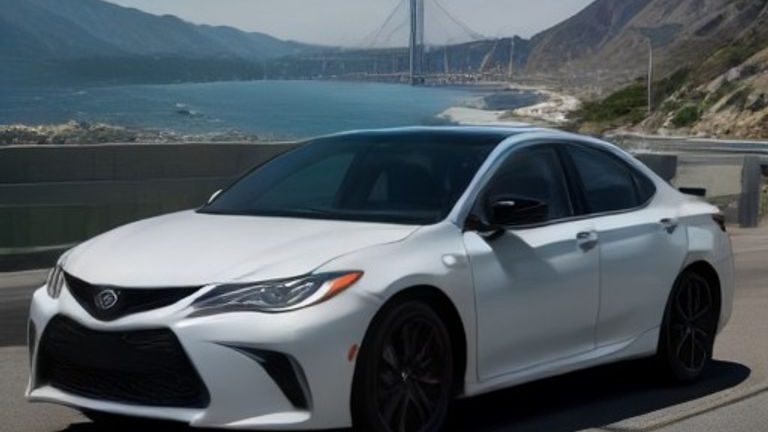
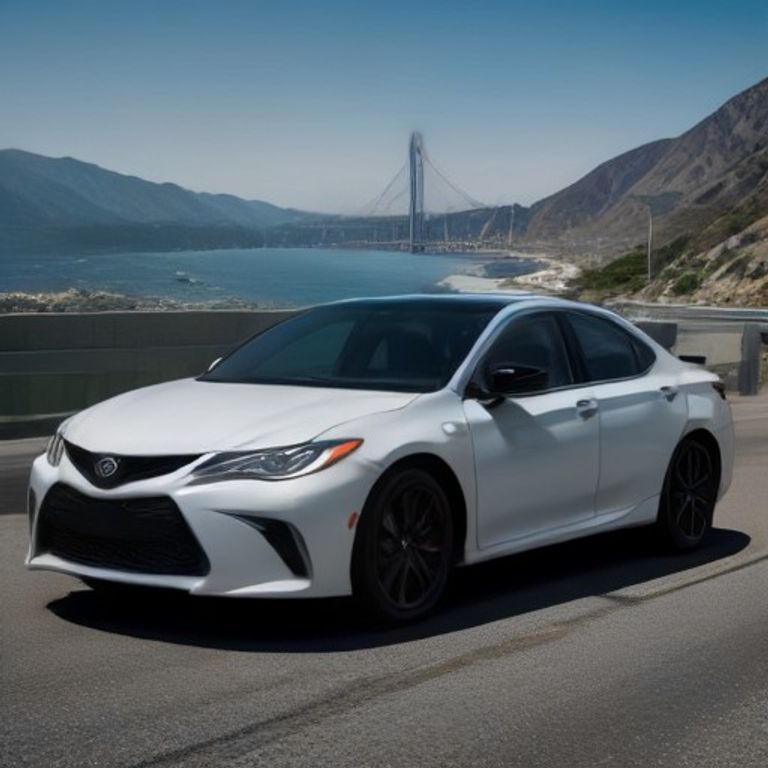
Within this context, the strong performance of the Toyota Camry in leading the hybrid charge is particularly noteworthy. The Camry has long been a staple in the automotive market, renowned for its reliability, comfort, and value. Its hybrid variant has consistently offered excellent fuel efficiency and a familiar driving experience, making it an accessible and appealing choice for a broad range of consumers. Toyota, a pioneer in hybrid technology, has cultivated a reputation for producing dependable and efficient hybrid powertrains, which undoubtedly contributes to the Camry’s continued success.
The Camry Hybrid’s appeal likely stems from its ability to offer a substantial improvement in fuel economy over its gasoline-only counterpart, without the higher upfront cost or the need for dedicated charging infrastructure often associated with BEVs. For many Californians, a Camry Hybrid represents an ideal balance: a proven vehicle platform combined with eco-conscious technology that integrates seamlessly into their daily lives.
Broader Market Implications and Future Outlook
This shift in registration numbers has potential implications for automakers, policymakers, and infrastructure developers. For manufacturers, it may reinforce the strategy of offering a diverse portfolio of electrified vehicles, including robust hybrid options, even as they continue to invest heavily in BEV development. It suggests that a one-size-fits-all approach to electrification may not fully capture the varied demands of the market in the immediate future.
For policymakers in California and beyond, this data could prompt a re-evaluation of how to accelerate the transition to zero-emission vehicles. While incentives and infrastructure remain critical for BEV adoption, recognizing the role of hybrids as a significant stepping stone might inform future strategies. The goal of a fully electric future remains, but the path to get there appears to be paved with a mix of technologies, adapting to evolving consumer needs and technological maturity.
Ultimately, the automotive landscape in California, and indeed globally, continues to evolve at a rapid pace. While the long-term trajectory towards electrification remains clear, the short-term trends like those observed in H1 2026 for hybrids versus EVs highlight the dynamic interplay between technological advancement, consumer preferences, and infrastructural readiness. The strong performance of hybrids, spearheaded by models like the Toyota Camry, underscores their ongoing relevance in the journey toward a more sustainable transportation future.
Source : https://www.caranddriver.com/news/a73317897/california-registrations-hybrids-evs-2026/