

A Glimpse into an Unrealized Future: The Acura RSX EV
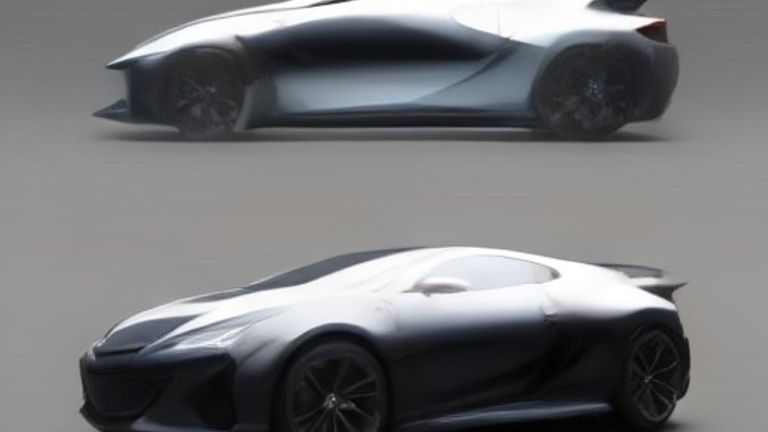
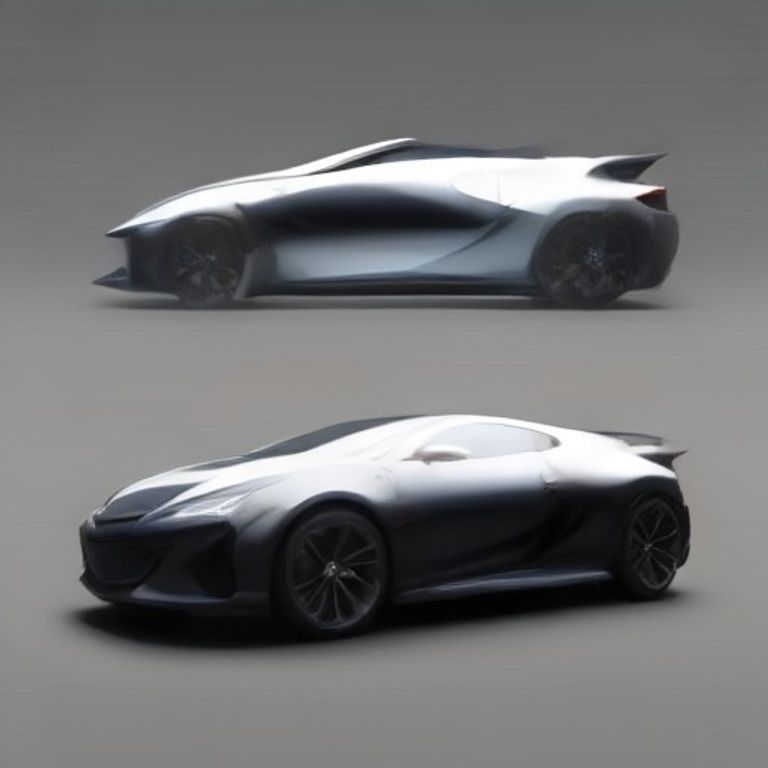
Automotive enthusiasts and industry observers have often speculated on the path from a captivating concept car to a market-ready production model. In a recent development, a patent filing has provided a rare and detailed look into what could have been the production-intended design for an Acura RSX electric vehicle. The design, as revealed through these documents, bears a strong resemblance to the previously known RSX Prototype from 2025, offering a concrete illustration of how Acura might have envisioned the electrified resurrection of a beloved nameplate.
This revelation is consistent with industry practices where manufacturers often register intellectual property for designs that are nearing production readiness. While the existence of such a patent does not guarantee a vehicle’s market launch, it undeniably signifies a significant investment in design and engineering, bringing a conceptual vision much closer to tangible reality. For the Acura RSX EV, this patent serves as a compelling record of a project that, for reasons undisclosed, appears not to have progressed to full-scale production, leaving enthusiasts with a compelling ‘what if’.
The Role of Design Patents in Automotive Development
Design patents are a critical, yet often unseen, component of the automotive development process. Unlike utility patents, which protect functional inventions, design patents specifically safeguard the ornamental design of an article of manufacture. For car manufacturers, this means protecting the unique visual appearance of a vehicle’s body, its distinctive lighting signatures, or even specific interior elements. Companies file these patents to protect their creative work from being copied by competitors and to secure their intellectual property rights well in advance of a potential market launch.
The filing of a detailed design patent often occurs when a vehicle’s design has been largely finalized, moving beyond preliminary sketches and conceptual renderings. It indicates that the design has undergone extensive refinement, engineering consideration, and is deemed suitable for manufacturing, even if the ultimate decision to produce the vehicle is still pending or subject to various internal and external factors. Therefore, the surfacing of a production-ready design patent for the Acura RSX EV provides a strong signal of the company’s prior intent and the advanced stage of its development.
Bridging Concept and Production: The RSX Precedent
The automotive industry has a well-established tradition of showcasing futuristic and often exaggerated concept cars to gauge public interest and explore new design directions. However, the transition from a visually striking concept to a practical, mass-producible vehicle often involves numerous compromises. What makes the Acura RSX EV patent particularly noteworthy is its close fidelity to the RSX Prototype from 2025. This consistency underscores a deliberate strategy to carry over the core aesthetic and design language of the concept into a production-viable form.
It is generally expected that a production vehicle will retain the essence of its preceding concept, particularly in an era where design identity is paramount. The patent documents for the Acura RSX EV illustrate how key design elements, such as the overall silhouette, front fascia details, and distinctive lighting elements, were meticulously translated from the conceptual stage into a format that could theoretically be manufactured. This close alignment is often met with approval from consumers who appreciate when a manufacturer delivers on the promise of an exciting concept, making the unreleased status of this design all the more poignant.
The Unseen Future: Why Projects Remain Concepts
The journey from a drawing board concept to a dealership showroom is fraught with numerous challenges, and not every promising design or advanced prototype ultimately makes it to market. The case of the Acura RSX EV’s production-intended design, revealed through a patent but apparently not proceeding to full production, highlights the complex decision-making processes within the automotive industry. There are a multitude of reasons why a vehicle project, even one with a well-developed production design, might be shelved:
- Market Strategy Shifts: Changes in corporate direction, evolving consumer preferences, or the emergence of new market segments can lead companies to re-evaluate their product pipeline.
- Economic Factors: Unforeseen economic downturns, rising material costs, or currency fluctuations can significantly impact the viability of a new vehicle program.
- Technological Hurdles: While electric vehicle technology is rapidly advancing, specific engineering challenges, battery supply constraints, or charging infrastructure limitations might pose insurmountable obstacles for a particular model.
- Competitive Landscape: A sudden entry by a competitor with a similar or superior product can force a re-evaluation of a project’s potential success.
- Internal Priorities: Resource allocation, the need to prioritize other models, or a shift in brand focus can all contribute to a project being put on hold indefinitely.
For the Acura RSX EV, the specific reasons for its apparent non-production remain within the company’s purview. However, its detailed patent imagery provides valuable insight into the rigorous development process that precedes such decisions.
Conclusion: A Legacy Interrupted
The discovery of the production-ready patent design for the Acura RSX EV offers a bittersweet glimpse into a potential future for the brand. It demonstrates Acura’s commitment to exploring an electrified future for its storied nameplates and its dedication to translating compelling concept designs into feasible production forms. While the RSX nameplate holds a significant place in Acura’s history, representing performance and accessibility, this patent filing now stands as a testament to an ambitious plan that, for now, remains an intriguing piece of intellectual property rather than a vehicle on the road. It leaves enthusiasts to ponder what could have been, and to appreciate the intricate journey of automotive design and development, even for projects that ultimately remain unrealized.
Source : https://www.caranddriver.com/news/a73467130/acura-rsx-dead-production-patent-images/