

A Potential Paradigm Shift for the Iconic Mini Cooper EV
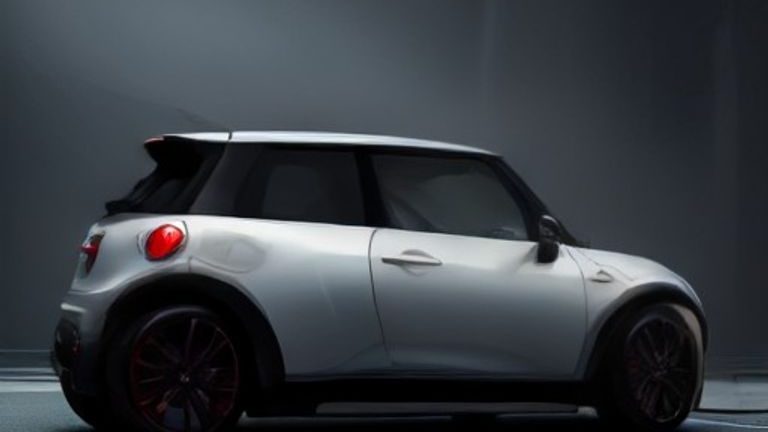
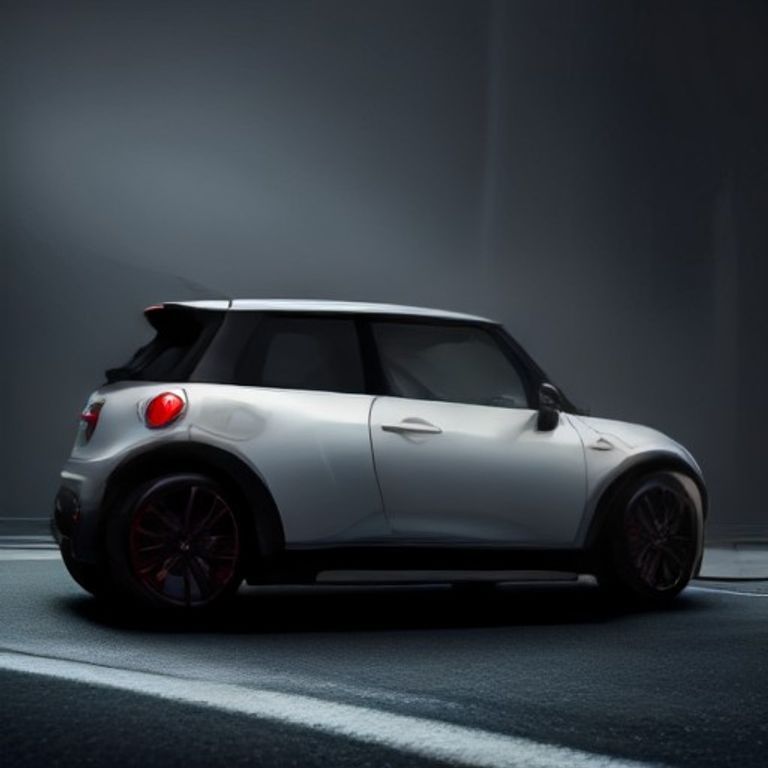
Reports are circulating that the next-generation Mini Cooper Electric could undergo a radical transformation in its fundamental driving dynamics. Industry speculation suggests that the beloved compact EV might abandon its traditional front-wheel-drive (FWD) layout in favor of a rear-wheel-drive (RWD) configuration, a significant departure attributed to a potential shift to BMW’s advanced Gen6 platform.
For decades, the Mini brand has been synonymous with its FWD setup, a characteristic that, coupled with its compact dimensions and agile suspension, has been central to its famed ‘go-kart’ handling. A move to RWD would not only represent a profound philosophical change for the marque but could also unlock new levels of driving engagement and performance for its future electric vehicles.
The Current Mini Electric Landscape
Currently, the Mini Cooper SE, the brand’s first mass-produced all-electric model, adheres to the FWD architecture. While praised for its instant torque and zippy acceleration, it shares its underpinnings with the combustion-engined Mini Cooper. This means it’s an adaptation rather than a bespoke electric vehicle platform, limiting certain aspects of packaging, range, and ultimate performance.
As Mini commits to an all-electric future, with plans to launch its last combustion engine model in 2025 and become a fully electric brand by the early 2030s, the need for a dedicated EV platform becomes paramount. This is where BMW’s Gen6 architecture reportedly enters the picture, promising a foundation optimized from the ground up for electric propulsion.
Understanding BMW’s Gen6 Platform: The ‘Neue Klasse’ Foundation
BMW’s Gen6 platform is the cornerstone of its upcoming ‘Neue Klasse’ (New Class) electric vehicles. This architecture is designed to be a highly flexible, scalable platform specifically engineered for the electric era. Unlike current BMW EV models that often share modified combustion engine platforms, the Neue Klasse will be a pure EV platform, allowing for:
- Optimal battery integration, potentially leading to increased energy density and longer range.
- Superior packaging, creating more interior space despite compact exterior dimensions.
- Enhanced modularity, accommodating various vehicle types, from sedans to SUVs, and potentially even smaller cars like the Mini.
- Advanced electric drive units, with a focus on efficiency, power delivery, and thermal management.
- Potential for 800-volt charging architecture, enabling ultra-rapid charging capabilities.
The Gen6 platform is widely expected to be inherently designed to support rear-wheel drive and all-wheel drive configurations. This intrinsic RWD bias in BMW’s dedicated EV platform is the primary reason why the next-gen Mini Cooper Electric, if it indeed adopts this architecture, would likely follow suit.
The RWD Advantage: Reimagining the ‘Go-Kart’ Feel
For a brand like Mini, which prides itself on engaging driving dynamics, a shift to RWD holds significant implications. A rear-wheel-drive layout typically offers several advantages for a performance-oriented vehicle:
- Improved Weight Distribution: With the drive unit at the rear and batteries optimally placed low in the chassis, RWD vehicles can achieve a more balanced weight distribution, enhancing handling stability and agility.
- Purer Steering Feel: The front wheels are solely responsible for steering, freeing them from the demands of transmitting power. This can result in less torque steer and a more direct, uncorrupted steering experience.
- Enhanced Traction Under Acceleration: During acceleration, weight naturally shifts to the rear wheels, which are also the drive wheels in an RWD setup. This provides superior traction and can lead to more exhilarating launches.
- Dynamic Handling Characteristics: RWD vehicles often exhibit more engaging and controllable oversteer characteristics, appealing to enthusiasts seeking a more playful and skilled driving experience.
While a departure from its FWD heritage, an RWD Mini Electric could redefine the ‘go-kart’ feel for the electric age. Instead of twitchy front-end grip, drivers might experience a more balanced, poised, and powerful response, with the added benefit of a dedicated EV platform’s inherent efficiencies and performance capabilities.
Looking Ahead: Mini’s Electric Future Takes Shape
This report, while still speculative, underscores Mini’s commitment to innovation as it transitions entirely to electric mobility. Adopting BMW’s cutting-edge Gen6 platform would not only streamline development and reduce costs through platform sharing but would also equip the next-gen Mini Cooper EV with class-leading technology and a potentially revolutionary driving experience.
Such a move would allow Mini to leverage BMW’s extensive engineering prowess in electric drivetrains and chassis development, ensuring its electric vehicles remain competitive and true to the brand’s fun-to-drive ethos. As the automotive world eagerly awaits official announcements, the prospect of a rear-wheel-drive Mini Cooper EV on a dedicated electric platform certainly sparks excitement, hinting at a bold new chapter for the iconic British brand.
Source : https://www.caranddriver.com/news/a73466096/next-gen-mini-cooper-ev-rear-wheel-drive-report/