



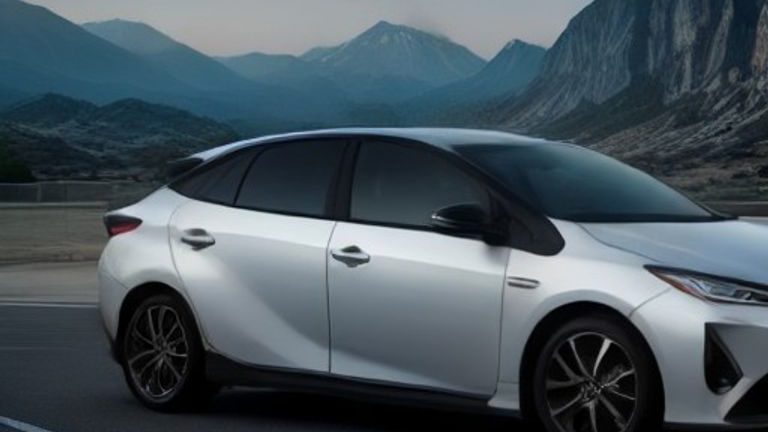
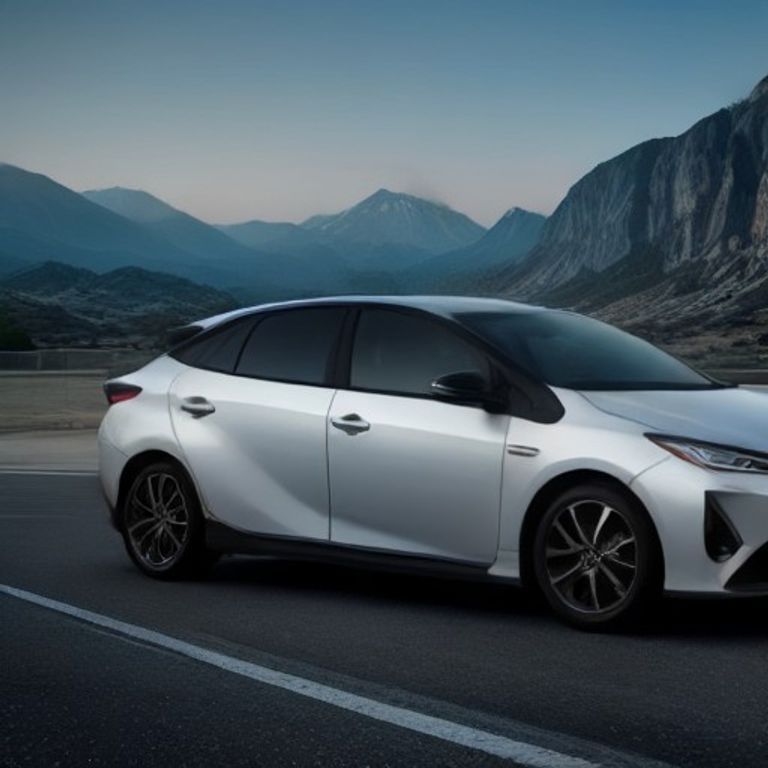
The Toyota Prius holds a singular place in automotive history. It didn’t just introduce hybrid technology; it normalized it, making fuel efficiency a mainstream consideration for car buyers worldwide. From its groundbreaking debut to its current iteration, the Prius has consistently been a benchmark for how far a gallon of gasoline can take you. But what exactly are those impressive MPG figures that have defined its legacy?
The Prius Legacy: A Pioneer in Fuel Efficiency
When the Toyota Prius first arrived on the global stage, its mission was clear: to offer a practical, mass-market vehicle with significantly better fuel economy and lower emissions than its conventional counterparts. It achieved this by seamlessly blending a gasoline engine with electric motors, a revolutionary concept at the time for everyday drivers. This initial proposition wasn’t just a niche product; it was a vision for the future of transportation, and its success paved the way for the hybrid and electrified vehicle market we see today.
The Prius demonstrated that environmental responsibility didn’t have to mean sacrificing practicality or reliability. Instead, it offered a compelling package that promised lower running costs and a reduced carbon footprint, all wrapped in a distinctive and increasingly aerodynamic design. Its impact stretched far beyond its sales numbers, influencing virtually every other automaker to invest in hybrid and electric powertrains.
The Evolution of Prius Fuel Economy
The journey of the Prius’s fuel efficiency is a story of continuous innovation. The first-generation Prius, introduced to the North American market in 2000, set a new standard, often achieving a combined EPA rating in the low 40s MPG. This was a remarkable feat at a time when many compact cars struggled to break the 30 MPG barrier.
Subsequent generations pushed these boundaries further. The second generation, with its distinctive liftback design, saw significant improvements in both power and efficiency, with combined figures commonly reaching the mid-40s MPG. The third and fourth generations continued this upward trajectory, integrating more advanced battery technologies, refined Atkinson-cycle engines, and even more aerodynamic bodywork. These models frequently saw combined figures in the impressive low-to-mid 50s MPG range, depending on the trim and specific year. Each iteration brought with it not just aesthetic changes but substantive engineering advancements aimed directly at maximizing every drop of fuel.
Current Generation Prius: Impressive MPG Figures
For the most recent conventional hybrid Prius models, drivers can typically expect combined fuel economy ratings that continue to impress. Depending on the specific trim level and drivetrain configuration (front-wheel drive vs. all-wheel drive), combined MPG figures can range from the low to upper 50s. For instance, certain front-wheel-drive trims often achieve a combined EPA estimate around 57 MPG, with city driving sometimes yielding even higher numbers due to the hybrid system’s efficiency in stop-and-go traffic.
Even with the option of all-wheel drive (AWD), which provides enhanced traction and stability, the Prius maintains an admirable level of efficiency, with AWD models often delivering combined figures in the low 50s MPG. This makes the Prius a versatile option for those seeking both efficiency and confidence in varying weather conditions without a significant compromise on fuel economy.
Several key engineering decisions contribute to these class-leading figures:
- Highly Efficient Engine: A specially designed Atkinson-cycle gasoline engine optimizes fuel combustion for efficiency rather than raw power.
- Advanced Hybrid System: Toyota’s proven hybrid synergy drive seamlessly switches between electric power, gasoline power, or a combination of both to maximize efficiency in real-time.
- Aerodynamic Design: The distinctive, sleek body shape of the Prius is not just for aesthetics; it’s meticulously sculpted to reduce drag and slice through the air with minimal resistance.
- Lightweight Materials: Strategic use of lightweight materials helps reduce the overall mass of the vehicle, requiring less energy to move it.
- Regenerative Braking: This technology captures kinetic energy normally lost during braking and converts it into electricity to recharge the hybrid battery.
The Prius Prime: Plug-in Hybrid Efficiency
Beyond the standard hybrid, the Toyota Prius also offers the Prius Prime, a plug-in hybrid electric vehicle (PHEV) that pushes the boundaries of efficiency even further. The Prime is designed for those who want the flexibility of a hybrid with the added benefit of a substantial all-electric driving range.
The Prius Prime typically offers an all-electric range that can vary between approximately 25 to 44 miles in recent models, depending on the generation and battery capacity. During this electric-only operation, its efficiency is measured in MPGe (miles per gallon equivalent), which can be remarkably high, often well over 100 MPGe. This means that for shorter daily commutes, many drivers can operate the Prime solely on electricity, consuming no gasoline at all.
Once the electric range is depleted, the Prius Prime seamlessly transitions into a highly efficient hybrid, functioning much like the conventional Prius. In this mode, it delivers combined MPG figures that are still excellent, often in the high 40s to low 50s MPG. This dual nature makes the Prius Prime an incredibly versatile and fuel-efficient option, combining the best of electric and hybrid driving.
Understanding Real-World MPG: Factors at Play
While EPA estimates provide a valuable benchmark, real-world fuel economy can vary based on several factors. It’s important for drivers to understand these variables to achieve the best possible mileage from their Prius:
- Driving Style: Aggressive acceleration and hard braking significantly reduce fuel efficiency. Smooth, consistent driving helps maximize MPG.
- Road Conditions and Terrain: Driving uphill or against strong headwinds requires more power, thus consuming more fuel. Highway driving at higher speeds is generally less efficient for hybrids than city driving, where regenerative braking and electric-only operation shine.
- Maintenance: Regular maintenance, including proper tire inflation, oil changes, and air filter replacements, ensures the engine and hybrid system operate at peak efficiency.
- Temperature: Extremely cold or hot weather can impact battery performance and require the gasoline engine to run more frequently, reducing efficiency.
- Vehicle Load: Carrying heavy loads or using roof racks creates extra drag and weight, which can decrease MPG.
- Use of Accessories: Running the air conditioning, heater, or other power-hungry accessories can put additional strain on the engine or battery, slightly affecting fuel economy.
Beyond the Numbers: The Prius’s Broader Impact
The impressive MPG figures of the Toyota Prius are certainly a headline feature, but its impact extends far beyond just numbers on a sticker. The Prius has fostered a generation of environmentally conscious drivers and significantly contributed to reducing tailpipe emissions globally. Its reliability has become legendary, reinforcing Toyota’s reputation for building durable and long-lasting vehicles.
Moreover, the Prius has demonstrated the viability of hybrid technology as a practical and cost-effective solution for reducing fuel consumption. For many, the cost savings at the pump, combined with potentially lower carbon footprints, represent a compelling reason to choose a Prius. It has proven that advanced technology can be integrated into an affordable, mainstream vehicle, making sustainable transportation accessible to a wider audience.
Conclusion: A Continuing Benchmark
The Toyota Prius remains a pivotal vehicle in the automotive world. Its continuous evolution in fuel efficiency, from its pioneering low 40s MPG to the current models often achieving low to upper 50s MPG, and the incredible MPGe of the Prius Prime, solidifies its position as a leader in sustainable transportation. It’s not just about getting great MPG; it’s about a legacy of innovation, reliability, and environmental stewardship that continues to shape the future of driving. As the automotive landscape continues to electrify, the Prius stands as a testament to the power of hybrid technology and its enduring relevance as one of the most fuel-efficient and impactful cars available today.
Source : https://www.caranddriver.com/shopping-advice/a73456022/toyota-prius-mpg-fuel-economy-details/