


The Polestar 2: Decoding Why Americans Might Feel They’re Missing Out on This Distinctive EV
The Polestar 2, often lauded for its blend of Scandinavian design, impressive performance, and practical liftback utility, has carved out a niche in the global electric vehicle (EV) market. While its body style isn’t a traditional station wagon, its functional design often leads to that perception, appealing to those seeking versatility in an EV. This compelling vehicle, however, has often been associated with a sense of frustration for American consumers, who perceive they « can’t have it » or at least, not on the same advantageous terms as buyers in other regions. This feeling doesn’t stem from an outright sales ban but rather from complex market dynamics, including regulatory frameworks and financial incentives that significantly impact its competitiveness in the United States.
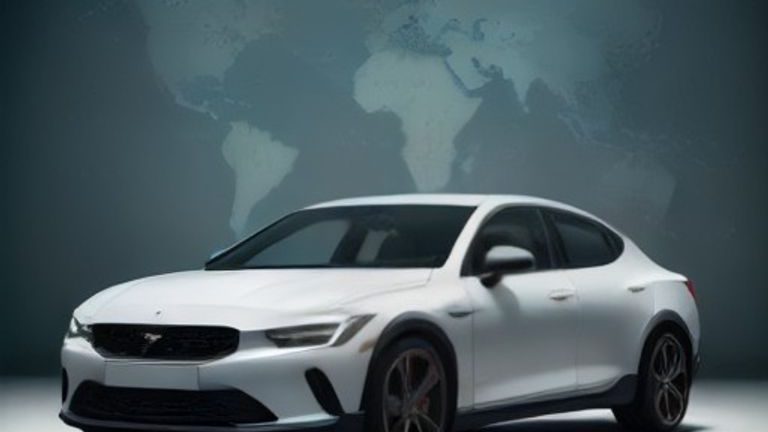
As Polestar’s first high-volume, fully electric offering, the Polestar 2 quickly gained international acclaim. Its minimalist interior, powered by Google’s Android Automotive OS, and a balanced driving experience have made it a strong contender against established EV players. The car’s distinctive silhouette, combining sedan-like lines with a practical hatchback, provides generous cargo space, enhancing its appeal across diverse markets from Europe to Asia. Globally, the Polestar 2 has been readily available, often with a broader range of configurations and pricing strategies, contributing to a perception of better access outside the U.S.
Unpacking the « Sales Ban » Misconception: The Inflation Reduction Act’s Impact
The belief that Americans are effectively « banned » from acquiring the Polestar 2 is a critical misunderstanding. The vehicle is indeed sold in the United States. The real issue lies in its eligibility for federal financial incentives, particularly the Inflation Reduction Act (IRA) of 2022. This pivotal legislation reshaped the landscape for EV tax credits, introducing stringent criteria that the Polestar 2 currently cannot meet. To qualify for the substantial federal tax credit of up to $7,500, an EV must satisfy two primary requirements:
- North American Final Assembly: The vehicle’s final assembly must occur in the United States, Canada, or Mexico.
- Battery Component Sourcing: A significant and increasing percentage of the battery’s critical minerals and components must originate from North America or U.S. free-trade partners.
Because the Polestar 2 is manufactured in Luqiao, China, it automatically fails the North American final assembly criterion. This disqualification means that American buyers cannot leverage the federal tax credit, placing the Polestar 2 at a distinct financial disadvantage compared to qualifying electric vehicles. While Polestar is free to sell the car, the absence of this incentive effectively raises its real-world purchase price for consumers, making it a less attractive option when weighed against competitors that do qualify for the credit.
Perceived Disparity: More Than Just Price
The impact of the IRA extends beyond a simple price difference; it fundamentally alters the Polestar 2’s competitive positioning. For many buyers, a $7,500 tax credit is a deal-breaker, steering them towards eligible alternatives. This isn’t a literal ban on sales, but it acts as a powerful financial disincentive, creating the sentiment that American buyers are « missing out » on the full value proposition enjoyed elsewhere. Furthermore, global manufacturers often customize vehicle trims, powertrain options, and launch timelines for specific markets based on local demand, regulations, and logistics. While Polestar ensures a consistent core product, variations in specific configurations or earlier availability of updated models in other regions can also contribute to this feeling of a differing consumer experience.
Polestar’s Future: Adapting to the U.S. Market
Acknowledging these challenges, Polestar is strategically adapting for its future models. Upcoming vehicles like the Polestar 3 electric SUV are slated for manufacturing in Ridgeville, South Carolina, for the North American market. This proactive step directly addresses the IRA’s assembly requirements, demonstrating Polestar’s commitment to making its newer products eligible for U.S. federal tax credits. This shift is crucial for enhancing competitiveness and accessibility in the American market. While the Polestar 2 remains a strong product, its journey in the U.S. highlights how geopolitical factors and legislative incentives profoundly influence the perceived availability and value of even the most desirable electric vehicles.
In summary, while the Polestar 2 is unequivocally available in the U.S., the narrative of Americans « missing out » or facing a « sales ban » is rooted in the absence of crucial federal tax credit eligibility. Its manufacturing origin in China prevents it from qualifying under the Inflation Reduction Act, creating a significant financial hurdle for consumers compared to other markets. This situation, combined with potential variations in market-specific offerings, fosters a perception of disparity. As Polestar refines its global strategy, especially with localized production plans for future models, it aims to bridge this gap and ensure its innovative electric vehicles are not only accessible but also financially competitive for all its target markets.
Source : https://www.caranddriver.com/news/a73593203/polestar-4-suv-revealed/