


Polestar Reveals ‘Formula 2030’ Concept, Teasing Future Design Language
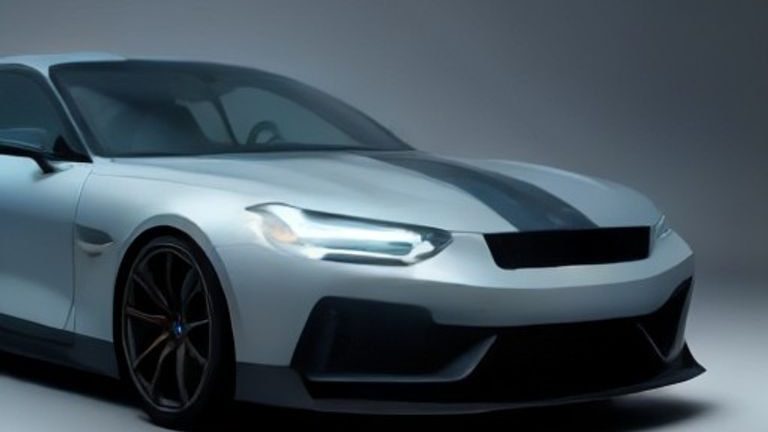
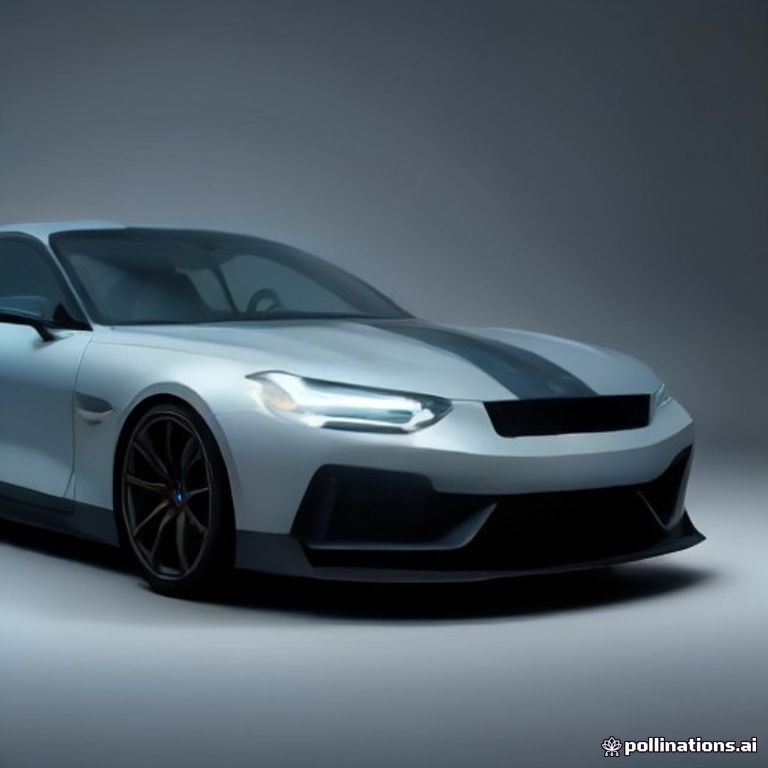
In a move that has captured the attention of the automotive world, Polestar, the Swedish electric performance car brand, has officially teased a new, strikingly low-slung concept vehicle. Dubbed the ‘Formula 2030,’ this futuristic show car is much more than just a design exercise; it serves as a potent preview of the brand’s evolving aesthetic and technological direction. Crucially, Polestar has confirmed that many of the captivating design elements showcased on this concept are slated to make their production debut on the forthcoming next-generation Polestar 2, generating significant anticipation for what lies ahead for the brand’s popular compact EV.
The unveiling of such a forward-looking concept always sparks considerable discussion, particularly when it comes from a brand like Polestar, which has built its reputation on a distinct blend of minimalist Scandinavian design, sustainable innovation, and electrifying performance. However, the initial context surrounding the concept’s reveal also touched upon the brand’s operational challenges in certain key markets. At the time of original discussions related to this news, Polestar was notably navigating specific legal and trademark complexities that had reportedly impacted its presence and market activities within the United States. While such hurdles represent significant challenges for any global automotive player, Polestar’s continued focus on pushing design boundaries and outlining its future product roadmap underscores its commitment to long-term growth and innovation.
Decoding the Striking Design Elements of the ‘Formula 2030’
The ‘Formula 2030’ concept is described as « striking, » a descriptor that aligns perfectly with Polestar’s established design philosophy. While specific details of its form and function remain under wraps, the term « low-slung » immediately conjures images of a vehicle built for aerodynamic efficiency, dynamic handling, and a commanding road presence. Such a profile often implies a strong emphasis on performance, with a chassis engineered to hug the ground, minimizing air resistance and optimizing stability at speed. This design choice is not merely aesthetic; it speaks to the core engineering principles that underpin modern electric vehicles, where efficiency is paramount for maximizing range and overall performance.
Concept cars like the ‘Formula 2030’ are essentially laboratories on wheels, allowing designers and engineers to experiment with radical ideas without the immediate constraints of mass production. We can infer that the ‘striking design elements’ would likely include innovative lighting signatures that define Polestar’s future face, advanced aerodynamic surfaces that sculpt the body for optimal airflow, and perhaps a fresh interpretation of interior minimalism, integrating cutting-edge technology seamlessly. Polestar’s history, rooted in Volvo’s design heritage but now distinctly its own, suggests an evolution towards even greater visual purity, emphasizing clean lines, sculpted forms, and a strong connection to sustainable materials. This concept is expected to push those boundaries further, offering a tantalizing glimpse into how these principles will be translated into tangible production vehicles.
The Next-Generation Polestar 2: A Glimpse into the Future of Production EVs
Perhaps the most significant aspect of the ‘Formula 2030’ concept is the explicit confirmation that its design elements are « set to debut on the next-gen Polestar 2. » This announcement transforms the concept from a mere flight of fancy into a tangible precursor for one of Polestar’s most important production models. The current Polestar 2 has already established itself as a strong contender in the premium electric vehicle segment, lauded for its sharp handling, distinctive design, and practical functionality. The introduction of design cues from the ‘Formula 2030’ suggests that its successor will embark on an even more ambitious aesthetic journey.
For the next-gen Polestar 2, this could mean several exciting developments. We might anticipate a more aggressive stance, a sleeker profile, and potentially a more sophisticated integration of aerodynamics inspired by the concept’s low-slung nature. Interior design might also evolve to reflect the concept’s forward-thinking ethos, potentially incorporating more sustainable materials, advanced infotainment interfaces, and enhanced ergonomic layouts. While the core functionality and practicalities of a production vehicle will always differ from a pure concept, the infusion of ‘Formula 2030’ design language promises to elevate the next-gen Polestar 2’s visual appeal and potentially its dynamic character. This approach allows Polestar to maintain a strong brand identity while continuously refreshing its product lineup with innovative and contemporary styling.
Navigating the Global Market: Polestar’s U.S. Context and Ambitions
The mention of Polestar’s market situation, specifically regarding the reported ban in the U.S., adds a layer of complexity to the narrative surrounding the ‘Formula 2030’ concept. The U.S. market represents one of the largest and most crucial battlegrounds for electric vehicle manufacturers globally. Its significant consumer base, growing appetite for EVs, and robust charging infrastructure make it an indispensable territory for any brand with global aspirations. For a relatively young, premium EV brand like Polestar, establishing and maintaining a strong foothold in the U.S. is paramount for achieving scale and brand recognition.
Legal or trademark disputes, such as those reportedly faced by Polestar, can significantly impede a company’s ability to market, sell, and expand its operations. They can create uncertainty among consumers and investors alike. The fact that Polestar continued to push forward with innovative concept reveals and future product plans despite these reported challenges highlights the brand’s resilience and its strategic vision for global expansion. While the specifics of the past U.S. market situation might have cast a shadow on initial discussions, Polestar’s commitment to delivering compelling electric vehicles remains unwavering. The brand has since continued its expansion and product launches, including the Polestar 3 and Polestar 4, demonstrating its resolve to grow its market presence worldwide, including in key regions like North America.
Polestar’s Vision: Design, Performance, and Sustainable Future
The ‘Formula 2030’ concept is more than just a car; it’s a statement of intent. It reaffirms Polestar’s dedication to pushing the boundaries of automotive design and technological innovation within the electric vehicle segment. By using a bold, low-slung concept to preview elements of its next-generation production model, Polestar is strategically reinforcing its identity as a design-led brand that doesn’t shy away from avant-garde aesthetics. In an increasingly crowded EV market, distinctive design serves as a crucial differentiator, helping brands stand out and attract discerning customers.
- Design Purity: The concept emphasizes Polestar’s commitment to clean, purposeful design.
- Aerodynamic Efficiency: The ‘low-slung’ nature suggests a focus on performance and range optimization.
- Future-Proofing: Concepts like ‘Formula 2030’ allow Polestar to experiment with future technologies and materials.
- Brand Consistency: Ensures a coherent design language across its evolving product portfolio.
- Market Leadership: Demonstrates Polestar’s ambition to lead in premium electric mobility.
As the automotive industry rapidly electrifies, Polestar is positioning itself at the forefront of this transformation. The excitement generated by the ‘Formula 2030’ concept, coupled with the promise of its influence on the next-gen Polestar 2, underscores the brand’s ongoing journey to blend high performance with minimalist design and sustainable practices. Enthusiasts and potential buyers alike will be keenly watching as Polestar continues to unveil more details about both its visionary concepts and its upcoming production vehicles, especially as the brand consolidates its global market position.
Source : https://www.caranddriver.com/news/a73644729/polestar-formula-2030-concept-teaser/