



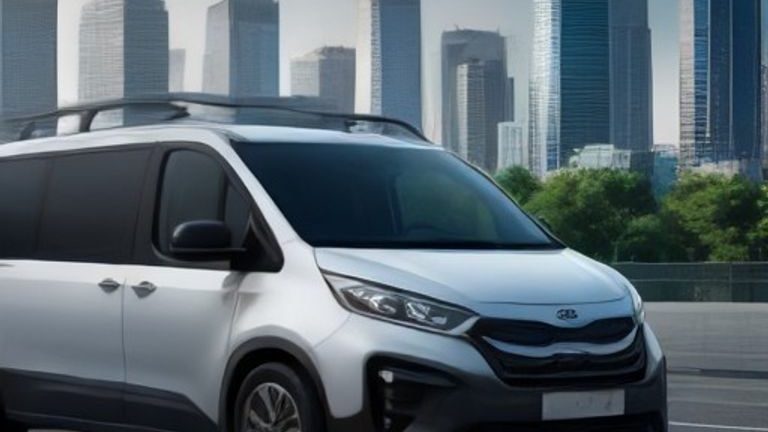
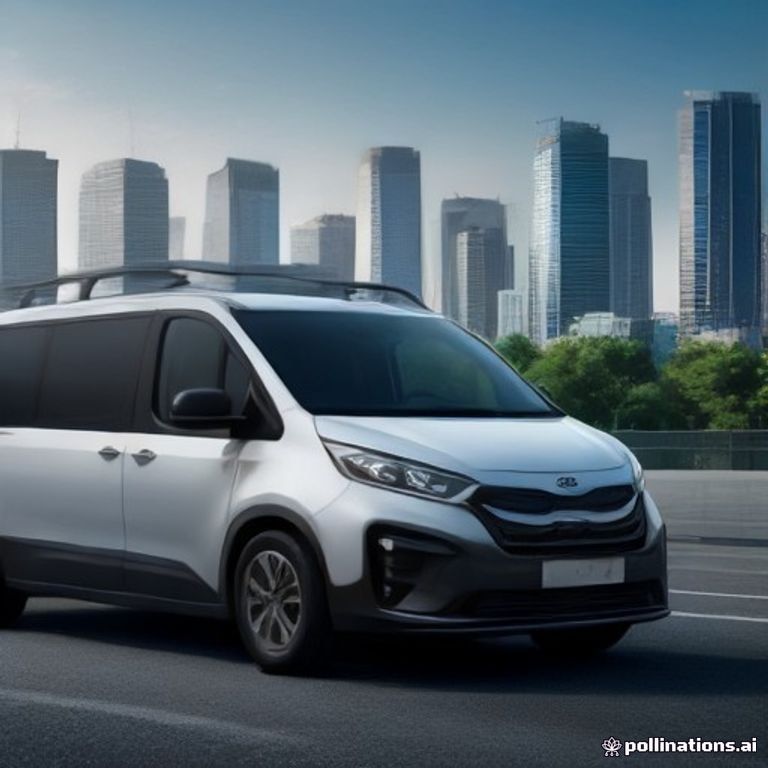
Kia is preparing to significantly expand its footprint in the rapidly evolving electric commercial vehicle market with the upcoming launch of the PV7 EV. Positioned as a larger offering than the previously introduced PV5, the PV7 is slated for release next year in South Korea and Europe. It promises a comprehensive variety of configurations, specifically designed to address diverse operational requirements of businesses. This strategic move highlights Kia’s clear ambition to achieve a substantial « commercial van conquest, » aligning with the global shift towards sustainable and efficient transport. The PV7 is a crucial element in Kia’s broader strategy to meet escalating demand and secure a leading position in the electrified commercial sector.
Kia’s Strategic Push into Commercial EVs
Kia’s declaration of aiming for a « commercial van conquest » signifies a strong commitment to expanding its product portfolio into the vital light commercial vehicle (LCV) segment. This initiative is integral to Kia’s ‘Plan S’ strategy, outlining a profound shift towards electrification and purpose-built vehicles (PBVs). The commercial sector offers substantial growth potential, driven by businesses seeking reliable, efficient, and eco-friendly transport. By introducing dedicated electric commercial vans like the PV5 and the larger PV7, Kia intends to establish a formidable market presence through a carefully segmented product offering. This forward-looking approach directly addresses increasing pressure on companies to electrify their fleets, positioning vehicles like the PV7 as essential tools for modern commercial operations.
The Accelerating Demand for Electric Commercial Vans
The global automotive landscape shows an unprecedented surge in electric vehicle adoption, particularly within the commercial sector. This escalating demand for electric commercial vans is fueled by several critical factors. Firstly, stringent emissions regulations in key markets, especially Europe, necessitate zero-tailpipe-emission vehicles for urban access. Secondly, electric vans offer compelling operational cost benefits, including lower ‘fuel’ expenses and significantly reduced maintenance, contributing to a lower total cost of ownership (TCO) – a paramount consideration for fleet managers. Furthermore, corporate sustainability goals increasingly dictate purchasing decisions. Electrifying delivery and service fleets provides a visible and effective means to achieve these objectives. Quiet operation also benefits urban environments and driver comfort. These converging pressures and incentives create a robust and expanding market for vehicles such as the Kia PV7 EV.
PV7: A Versatile Platform for Commercial Needs
The introduction of the PV7, positioned as a larger complement to the PV5, demonstrates Kia’s strategic approach to addressing a wider spectrum of commercial demands. While the smaller PV5 will likely cater to compact urban logistics, the PV7’s larger form factor suggests suitability for more substantial cargo volumes or specialized applications. This two-tiered strategy enables Kia to effectively segment the commercial EV market, offering tailored solutions for different industry requirements.
A crucial aspect of the PV7’s anticipated appeal will be its « variety of configurations. » Such flexibility is fundamental in the commercial vehicle industry, where diverse business needs rarely allow for a one-size-fits-all solution. Although specific PV7 configurations have not been detailed, general types of commercial van configurations essential for market competitiveness typically include:
- Panel Van Options: Designed for cargo transport, often with varying wheelbases and roof heights to optimize load space.
- Passenger Carrier Variants: Configured for multi-person transport, ideal for shuttle services or hospitality industries.
- Chassis Cab Formats: Providing only the cab and chassis, allowing third-party converters to fit custom bodies such as flatbeds, box vans, or specialized service bodies.
This comprehensive configurability ensures the PV7 can serve a broad range of customers, from logistics operations requiring maximum cargo capacity to businesses needing bespoke mobile workshops. Such adaptability enhances the vehicle’s utility and market attractiveness, making it a compelling option for enterprises transitioning to electric fleets.
Key Markets: South Korea and Europe
Kia’s decision to launch the PV7 EV initially in South Korea and Europe next year is strategically astute, targeting markets highly conducive to electric commercial vehicle adoption. South Korea, Kia’s home market, serves as a significant hub for technological innovation, characterized by strong green initiatives, government incentives, and expanding charging infrastructure. A domestic launch allows Kia to solidify its market position.
Europe, concurrently, stands as one of the most progressive and demanding global markets for electric vehicles, particularly within the commercial sector. Stringent emissions regulations, like urban low-emission zones, are a primary driver for fleet electrification. This regulatory pressure, combined with substantial EV purchase incentives and a well-established charging network, accelerates adoption rates. The diverse operational demands throughout Europe further underscore the importance of the PV7’s « variety of configurations, » enabling it to cater effectively to a wide array of logistics and business needs. By prioritizing these two pivotal regions, Kia is positioning the PV7 at the vanguard of global commercial EV adoption.
Source : https://www.caranddriver.com/news/a73748838/kia-pv7-electric-van-revealed/