



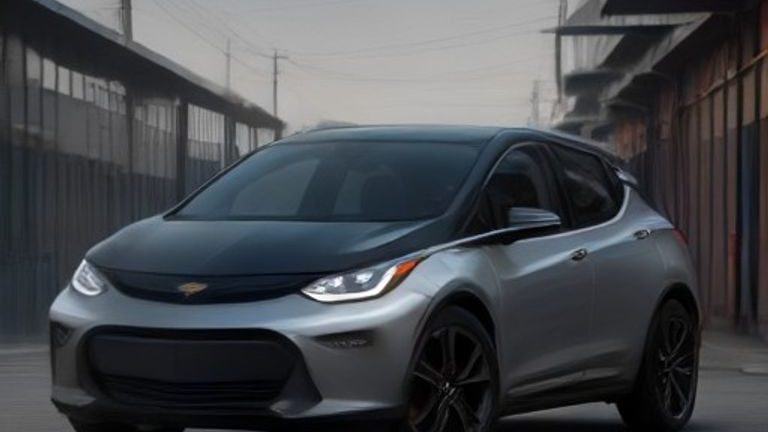

A Surprising Turn for the Revived 2027 Chevy Bolt EV
The automotive landscape is no stranger to unexpected twists, but few vehicles have experienced a journey quite as remarkable as the Chevrolet Bolt EV. After an initial run that saw it lauded as an accessible pioneer in the electric vehicle segment, followed by a surprising discontinuation, General Motors announced its revival, promising a 2027 model built on the advanced Ultium platform. This unexpected comeback was met with considerable enthusiasm, particularly given the Bolt’s historical role as one of the more affordable entry points into EV ownership. Expectations were naturally high, both for its technological advancements and its potential to capture a significant share of the burgeoning mainstream EV market. The anticipation built around its second coming was predicated on a vision of broad availability, leveraging GM’s dedicated EV architecture to deliver a compelling package to a wide audience.
However, recent revelations have cast a shadow of uncertainty over these optimistic projections. Documents originating from the United Auto Workers (UAW), a key player in the automotive manufacturing sector, indicate a dramatically revised production forecast for the 2027 Chevrolet Bolt EV. What was initially an ambitious plan to produce 150,000 units has reportedly been slashed to a mere 35,000 units. This precipitous reduction suggests a significant recalibration of expectations within GM concerning the new Bolt’s market penetration or overall strategic importance. Such a cut, amounting to more than a 75% decrease from the original target, is a substantial shift that carries profound implications for the vehicle’s future, its role in GM’s EV portfolio, and the broader landscape of affordable electric vehicles. The source of this information, internal UAW documents, typically reflects intricate planning related to plant allocations, staffing levels, and overall production volume agreements, lending considerable weight to the reported figures.
The Stark Reality: A Drastic Production Revision
The drastic nature of this reported production cut for the 2027 Chevy Bolt cannot be overstated. A reduction from 150,000 units to just 35,000 represents a strategic pivot of immense scale, signaling a potential shift in General Motors’ immediate priorities or its assessment of market dynamics. For a vehicle that was just recently resurrected and positioned as a cornerstone for accessible Ultium technology, this move raises more questions than it provides answers.
The existence of such figures within UAW documents underscores the intricate planning processes involved in vehicle manufacturing. These documents are often crucial for union negotiations, detailing future workforces, plant assignments, and long-term investment strategies. Therefore, while not an official public statement from GM, the figures within these UAW records typically reflect internal corporate projections used for operational and labor planning. This lends significant credibility to the reported numbers, suggesting they are not mere speculation but rather indicators of an evolving internal strategy at General Motors.
The implications of such a sharp reduction are multifaceted:
- Magnitude of the Cut: A more than 75% decrease dramatically alters the vehicle’s expected market presence and availability, making it a far more niche offering than initially projected.
- Impact on Strategic Planning: It suggests a significant re-evaluation of the Bolt’s role in GM’s broader electrification strategy, potentially favoring other Ultium-based models or adjusting to perceived market demand.
- Significance of UAW Source: The fact that this information originates from labor documents highlights that these are not merely external predictions but internal, operational projections used for critical workforce and production allocation.
Understanding the Broader Context for GM’s EV Strategy
This revised outlook compels an examination of what might be driving such a conservative adjustment for a model that was, only recently, presented as a beacon of affordable EV access. General Motors has invested heavily in its Ultium platform, designed to be flexible and scalable across a wide range of electric vehicles, from trucks and SUVs to more compact offerings. The Bolt was envisioned to extend this advanced technology to a broader, more budget-conscious demographic, complementing higher-margin vehicles like the Hummer EV and Cadillac Lyriq. A substantial reduction in its projected output could signal a tactical shift, perhaps prioritizing profitability per unit over sheer volume in the accessible EV segment, or a response to evolving market demand trends.
Such a decision, if confirmed by GM, could reflect a nuanced understanding of the current EV market, which has seen some volatility in adoption rates and consumer preferences. While overall EV sales continue to grow, the pace and segment distribution are not always linear. GM might be recalibrating its production targets to align with anticipated demand for more compact, affordable EVs, or to better manage its supply chain and battery production capabilities across its entire Ultium portfolio. It could also indicate a strategy to create exclusivity around the model, or to test the waters with a limited run before committing to higher volumes, depending on market reception.
What This Means for the Affordable EV Market and Consumers
The initial Chevrolet Bolt carved out a vital niche as an electric vehicle that offered decent range and practical utility at a relatively accessible price point. Its return on the Ultium platform was anticipated to continue this legacy, providing a compelling option for consumers looking to enter the EV market without a premium price tag. A production cut of this magnitude, however, suggests that the 2027 Bolt EV might become a much rarer sight than initially hoped. For consumers, this could translate into limited availability, potentially higher prices due to scarcity, and a reduced number of options in the crucial entry-level segment of the EV market.
The broader implications for the affordable EV segment are also significant. If a key player like GM significantly scales back its accessible EV offerings, it raises questions about the industry’s commitment to making electric mobility truly widespread. A shorter production run could also mean less long-term support, fewer updates, or a quicker transition to subsequent models, which might influence consumer confidence and resale values. The scarcity could inadvertently push budget-conscious buyers towards older used EVs or internal combustion engine vehicles if new, affordable electric options become harder to find.
Conclusion: Await Official Confirmation Amidst Speculation
While the information from UAW documents provides a compelling glimpse into GM’s revised internal projections for the 2027 Chevy Bolt EV, it is important to note that General Motors has not yet made an official public statement regarding this reported production cut. The automotive industry is dynamic, and plans can evolve based on myriad factors including supply chain stability, market feedback, and competitive pressures. Nevertheless, the reported figures – a reduction from 150,000 to 35,000 units – represent a substantial shift that, if confirmed, would significantly alter the trajectory and impact of the revived Bolt.
As the automotive world watches for further clarity, the potential for a dramatically shorter production run for the 2027 Chevy Bolt EV underscores the complex and often unpredictable path of electrification, especially in the pursuit of mass-market appeal. It prompts a critical re-evaluation of expectations for accessible electric vehicles and GM’s strategy in delivering them to a broader audience.
Source : https://www.caranddriver.com/news/a73947815/2027-chevy-bolt-ev-production-run-shorten/