
Nissan’s Strategic Hybrid Push: Targeting a Comprehensive U.S. Lineup by 2030
In a significant move poised to reshape its presence in the crucial U.S. market, Nissan has outlined an ambitious plan to establish a robust and diverse hybrid vehicle lineup by the year 2030. This strategic pivot underscores the automaker’s commitment to electrification, offering consumers a broader array of choices that balance fuel efficiency, performance, and environmental consciousness. Central to this aggressive timeline are two key developments: the impending launch of a new Rogue Hybrid and the intensive development of a potent V-6 hybrid powertrain specifically engineered for its formidable range of rugged trucks and sport utility vehicles.
The automotive industry is currently navigating an unprecedented transformation, with global manufacturers racing to embrace sustainable mobility solutions. While battery electric vehicles (BEVs) often dominate headlines, hybrid electric vehicles (HEVs) continue to play a vital role in this transition. They offer an immediate, practical solution for reducing tailpipe emissions and improving fuel economy without demanding a complete overhaul of driving habits or infrastructure. Nissan’s intensified focus on hybrids, particularly in a market as diverse and demanding as the United States, reflects a pragmatic yet forward-looking approach to meet evolving consumer needs and increasingly stringent environmental regulations.
Nissan Ambition 2030: A Broader Electrification Vision
Nissan’s hybrid strategy in the U.S. is not an isolated initiative but an integral component of its broader global vision, « Nissan Ambition 2030. » This long-term plan aims to empower mobility and beyond, with electrification at its core. Under Ambition 2030, Nissan has committed to introducing 27 electrified models globally, including 19 new EVs, by fiscal year 2030. The emphasis on hybrid technologies within this framework highlights an understanding that a multifaceted approach is essential to achieving widespread electrification. While pure EVs represent the ultimate goal for carbon neutrality, hybrids serve as an accessible and popular bridge technology, allowing a wider segment of the population to experience the benefits of electrification.
- Diverse Electrification Portfolio: Beyond pure battery electric vehicles, Nissan’s strategy encompasses a range of electrified powertrains, including its innovative e-POWER system, a series hybrid where a gasoline engine acts solely as a generator for an electric motor that drives the wheels. This demonstrates a flexible approach to electrification.
- Global Market Adaptation: The varying pace of EV infrastructure development and consumer acceptance across different regions necessitates a flexible strategy, where hybrids can thrive in markets where full EV adoption is still maturing.
- Sustainability Goals: By integrating hybrid powertrains across its core lineup, Nissan reinforces its commitment to reducing its carbon footprint and contributing to a cleaner automotive future, aligning with global environmental targets.
The Significance of the New Rogue Hybrid
The impending launch of the new Rogue Hybrid carries substantial weight for Nissan, particularly in the U.S. market. The Rogue consistently ranks among the top-selling compact SUVs, a segment known for its fierce competition and high consumer demand. Introducing a hybrid variant of such a popular model is a strategic masterstroke, aiming to capture a significant share of eco-conscious buyers and those prioritizing fuel efficiency in their daily commutes and family travels. A hybrid Rogue would build upon the existing model’s strengths – its spacious interior, comfortable ride, and array of safety features – by adding a compelling layer of improved fuel economy and reduced emissions, enhancing its overall value proposition.
For many consumers, a hybrid SUV like the Rogue Hybrid offers a seamless transition into electrified driving. It provides the immediate benefits of better mileage and often more responsive acceleration thanks to electric motor assistance, without the need for external charging infrastructure or concerns about range anxiety associated with pure EVs. This accessibility makes it a powerful tool for broadening the appeal of electrified vehicles to a mainstream audience, further solidifying Nissan’s presence in a highly competitive segment and catering to evolving consumer expectations.
Powerful Efficiency: The V-6 Hybrid for Trucks and SUVs
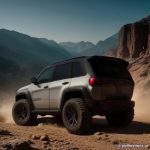
Perhaps even more indicative of Nissan’s strategic ambition is the development of a V-6 hybrid powertrain tailored for its rugged trucks and SUVs. This particular initiative addresses a critical challenge in the electrification landscape: how to deliver significant efficiency gains and performance enhancements in larger, heavier vehicles without compromising their inherent capabilities, such as towing, hauling, and off-road prowess. Traditionally, V-6 engines are chosen for their balance of power and relative efficiency compared to V-8s, making them ideal candidates for hybridization in these segments.
A V-6 hybrid system in Nissan’s trucks and SUVs would offer several distinct advantages:
- Enhanced Torque: Electric motors provide instantaneous torque, which is invaluable for off-the-line acceleration, towing heavy loads, and navigating challenging terrain. This can significantly improve the perceived power and capability of these vehicles.
- Improved Fuel Economy: While outright fuel economy figures for large trucks and SUVs will never match smaller passenger cars, a hybrid system can provide meaningful improvements, especially in city driving and stop-and-go traffic where electric assistance is most effective. This directly translates to lower running costs for owners.
- Reduced Emissions: The ability to operate on electric power alone for short distances or to provide assistance during acceleration helps to lower overall emissions, aligning with environmental goals without sacrificing utility.
- Potential for Auxiliary Power: Some hybrid systems can offer power take-off capabilities, providing onboard electricity for tools or camping equipment, adding another layer of utility for truck and SUV owners who rely on their vehicles for work and recreation.
This development signals Nissan’s intent to remain a strong contender in segments where traditional internal combustion engines have long dominated. By offering hybrid V-6 options, Nissan can cater to customers who require the robust capabilities of a truck or a large SUV but are also increasingly conscious of fuel consumption and environmental impact. This approach acknowledges the diverse needs within the U.S. market, where heavy-duty vehicles remain essential for a significant portion of the population.
Navigating the U.S. Market by 2030
The United States represents a pivotal battleground for automotive electrification. Its vast geographical area, varied climates, and strong consumer preference for larger vehicles like SUVs and pickup trucks present unique challenges and opportunities. Nissan’s strategy to introduce a stacked hybrid lineup by 2030 demonstrates an understanding of these market dynamics. By offering both popular compact SUV hybrids and powerful V-6 hybrid options for larger vehicles, Nissan aims to create a comprehensive portfolio that caters to a wide spectrum of American drivers, from urban commuters to those needing robust utility.
This commitment also positions Nissan favorably in a competitive landscape where nearly every major automaker is accelerating its electrification efforts. Consumers are increasingly sophisticated, seeking not just fuel efficiency but also robust performance, advanced technology, and environmental responsibility. A diverse hybrid lineup allows Nissan to compete effectively across multiple segments, maintaining relevance and market share as the industry continues its evolution towards a more sustainable future.
Conclusion
Nissan’s objective to achieve a stacked hybrid lineup in the U.S. by 2030 is a bold and strategic declaration of intent. With the new Rogue Hybrid poised to appeal to a broad consumer base and the V-6 hybrid powertrain set to empower its rugged trucks and SUVs, Nissan is laying the groundwork for a future where electrification is integrated across its core offerings. This comprehensive approach, rooted in Nissan Ambition 2030, promises to deliver a compelling blend of efficiency, performance, and versatility, solidifying the brand’s position as a key player in the evolving landscape of sustainable automotive mobility.
Source : https://www.caranddriver.com/news/a73942704/nissan-hybrid-plans-us-2030-rogue-xterra-epower-v6/