


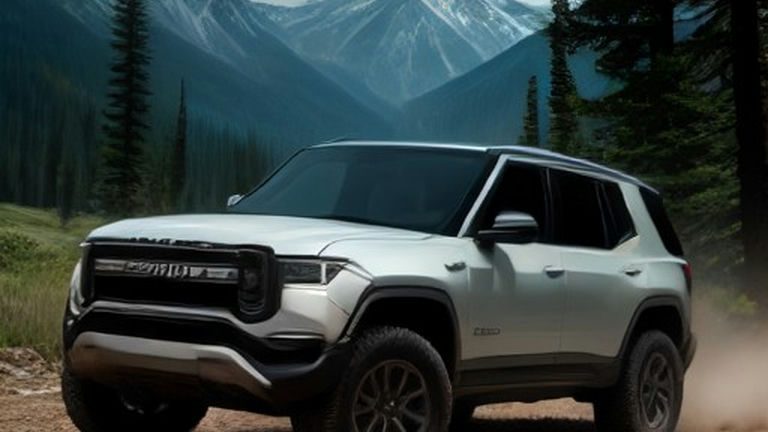
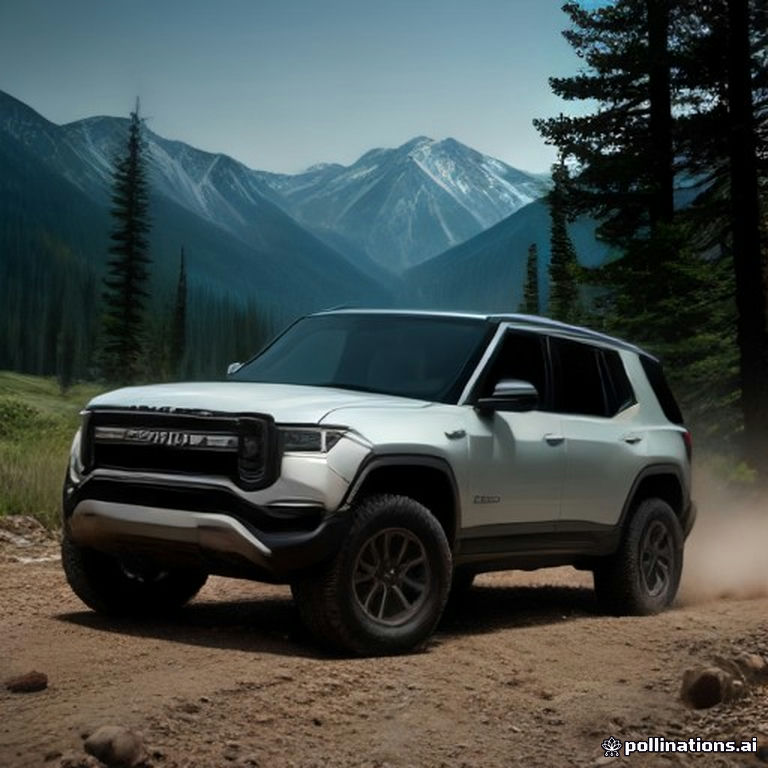
The automotive world eagerly awaits the arrival of the Rivian R2, the latest addition to the electric adventure vehicle lineup from the innovative automaker. Positioned as a more compact and accessible companion to the R1T and R1S, the R2 aims to bring Rivian’s unique blend of capability and sustainable technology to a broader audience. A key element of its adventurous persona, much like its elder siblings, is the provision for robust all-terrain (AT) tires. These tires are often seen as a badge of honor for vehicles designed to tackle the path less traveled, promising enhanced grip and durability when venturing off the beaten track. However, their inclusion often sparks a debate about their performance on conventional paved roads. There’s a common misconception, sometimes fueled by anecdotal claims, that all-terrain tires can somehow deliver an unexpected on-road advantage, even going so far as to suggest superior cornering grip or braking performance.
Such claims—that all-terrain tires could offer more cornering grip and better braking on dry pavement than their dedicated street counterparts—are intriguing, almost implying a form of « magic rubber. » Yet, a closer look at tire engineering principles and the fundamental design of all-terrain tires reveals a more nuanced reality. It’s crucial to understand that tire design is a careful balancing act of compromises, where optimizing for one performance characteristic often means making trade-offs in another. For all-terrain tires, the primary optimization is for off-road resilience and traction, and this inherently impacts their on-road dynamics.
Deconstructing On-Road Performance: The All-Terrain Reality
The notion that all-terrain tires inherently provide superior grip and braking on paved surfaces is largely a misunderstanding of how tires interact with different types of terrain. When engineers design an all-terrain tire, their focus is on creating a robust contact patch that can effectively dig into loose surfaces like gravel, dirt, mud, and snow, while also resisting punctures and cuts from rocks and debris. This leads to several distinct design characteristics that, while excellent off-road, are generally detrimental to peak on-road performance:
- Aggressive Tread Pattern: All-terrain tires feature large, blocky tread elements with wide voids between them. This design is superb for clearing mud and biting into loose earth, ensuring traction where conventional road tires would flounder. On pavement, however, these large blocks tend to flex and squirm under cornering and braking forces, reducing the stability and consistency of the contact patch. The smaller total contact area of rubber on the road (due to the large voids) also means less friction available for grip.
- Harder Rubber Compound: To enhance durability and resistance to wear and tear from abrasive off-road conditions, AT tires often use harder rubber compounds. While beneficial for longevity and resisting damage, a harder compound typically has a lower coefficient of friction on smooth, dry pavement compared to softer, high-grip compounds used in performance street tires.
- Stiffer Sidewalls: Increased sidewall rigidity helps prevent punctures and supports the tire under heavy loads and irregular terrain. However, on-road, this can translate to a harsher ride and less progressive handling feel, as the sidewall’s ability to absorb lateral forces smoothly is diminished.
- Increased Rolling Resistance and Noise: The aggressive tread pattern and larger voids contribute to higher rolling resistance, which can impact energy efficiency (range in an EV) and generate more road noise compared to highway-oriented tires.
Therefore, when compared directly against a premium highway or performance tire designed specifically for paved roads, all-terrain tires will almost invariably exhibit longer braking distances, less precise steering response, and lower limits of lateral grip on dry, clean asphalt. Any perception of « better » performance on-road might stem from other factors, or a comparison against truly worn-out or unsuitable street tires.
The True Strengths: Where All-Terrains Excel
Despite their compromises on dry pavement, the value of all-terrain tires on a vehicle like the Rivian R2 cannot be overstated when considering its intended purpose. Their true benefits lie squarely in enhancing capability and confidence beyond the asphalt:
- Unmatched Off-Road Traction: This is their primary raison d’être. From tackling muddy trails and rocky ascents to navigating snowy backroads, AT tires provide the necessary bite and self-cleaning ability to maintain forward momentum and control.
- Superior Durability: The thicker tread, reinforced sidewalls, and robust construction make AT tires significantly more resistant to punctures, cuts, and abrasions encountered in off-road environments. This translates to greater reliability and peace of mind for adventurers.
- All-Weather Versatility (Beyond Pavement): While not dedicated winter tires, many modern AT tires incorporate siping and compounds that offer a respectable level of grip in light snow and slush, making them a capable year-round option for varied conditions, especially on unpaved roads.
- Distinctive Aesthetic: For many buyers of adventure-oriented SUVs, the rugged look of aggressive AT tires is an integral part of the vehicle’s identity, signaling readiness for exploration.
Rivian’s Engineering: Mitigating the On-Road Trade-offs
Rivian, however, is not a brand to simply accept compromises. The R2, like its R1 predecessors, benefits from a highly sophisticated electric platform that can remarkably mitigate some of the inherent on-road drawbacks of all-terrain tires. The precise control offered by electric powertrains plays a crucial role:
- Instantaneous Torque Delivery: Rivian’s electric motors can deliver torque to each wheel almost instantaneously and independently. This allows for incredibly fine-tuned traction control and stability management, helping to maintain composure even when the tire’s grip limits are approached. The vehicle’s advanced software can quickly detect slip and adjust power output to individual wheels, improving perceived grip and control.
- Low Center of Gravity: The heavy battery pack mounted low in the chassis contributes to an exceptionally low center of gravity. This significantly reduces body roll during cornering and enhances overall stability, making the vehicle feel more planted and capable than a similarly tall ICE SUV on AT tires might.
- Advanced Suspension Systems: While specific details for the R2 are still emerging, Rivian’s vehicles typically feature sophisticated independent suspension systems that are tuned to handle both on-road comfort and off-road articulation. This tuning can help manage the harsher ride characteristics that sometimes come with stiffer AT tires.
- Regenerative Braking: The powerful regenerative braking capabilities of an EV can provide a significant portion of the vehicle’s stopping power. While friction brakes are still essential for emergency stops, the seamless integration of regen braking contributes to a smooth and controlled deceleration, which might indirectly influence the perception of braking performance even with AT tires.
These advanced vehicle dynamics and electronic aids essentially work to maximize the available grip from the all-terrain tires, making the R2 feel far more competent and refined on pavement than a conventional vehicle equipped with similar rubber. It’s the vehicle’s intelligence and engineering prowess that are providing the « benefit, » not a magical transformation of the tire itself into a high-performance street compound.
Making an Informed Choice
Ultimately, the choice of all-terrain tires for the Rivian R2 is a clear statement of intent: this vehicle is built for adventure. For prospective owners who envision frequent excursions onto unpaved roads, snowy trails, or simply appreciate the rugged aesthetic and enhanced durability, all-terrain tires are an excellent and fitting choice. They embody the spirit of exploration that Rivian champions.
However, for those who anticipate their R2 spending 99% of its life on smooth highways and city streets, rarely venturing beyond light gravel, there might be alternative tire options that could offer superior on-road efficiency, quieter operation, and potentially even better dry pavement grip and braking due to their dedicated design. Rivian often provides options or allows for aftermarket choices, giving owners the flexibility to tailor their vehicle to their specific usage patterns.
In conclusion, while the allure of an all-terrain tire offering superior on-road cornering and braking is understandable, the reality is that such benefits are not intrinsic to their design. All-terrain tires for the Rivian R2 are a testament to its adventurous spirit, providing rugged capability where it truly matters—off-road. Any perceived on-road « benefit » in terms of handling and stopping power is more likely a testament to Rivian’s ingenious vehicle engineering, which skillfully compensates for the inherent trade-offs, delivering a remarkably well-rounded and capable electric SUV that lives up to its promise of adventure, both on and off the pavement.
Source : https://www.caranddriver.com/news/a74107053/2027-rivian-r2-all-terrain-tire-test/