



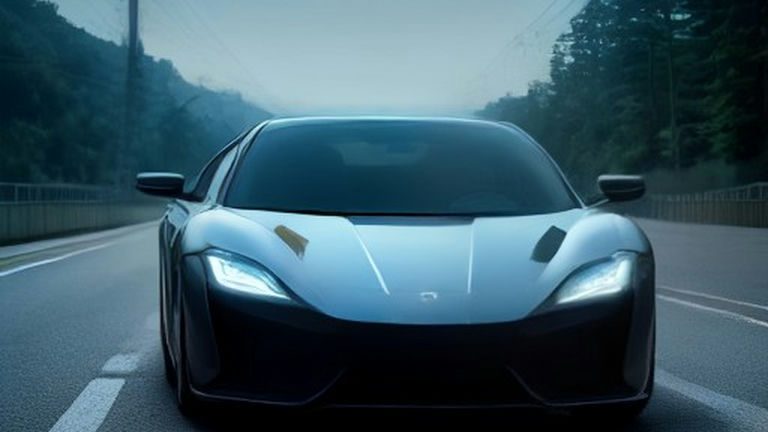
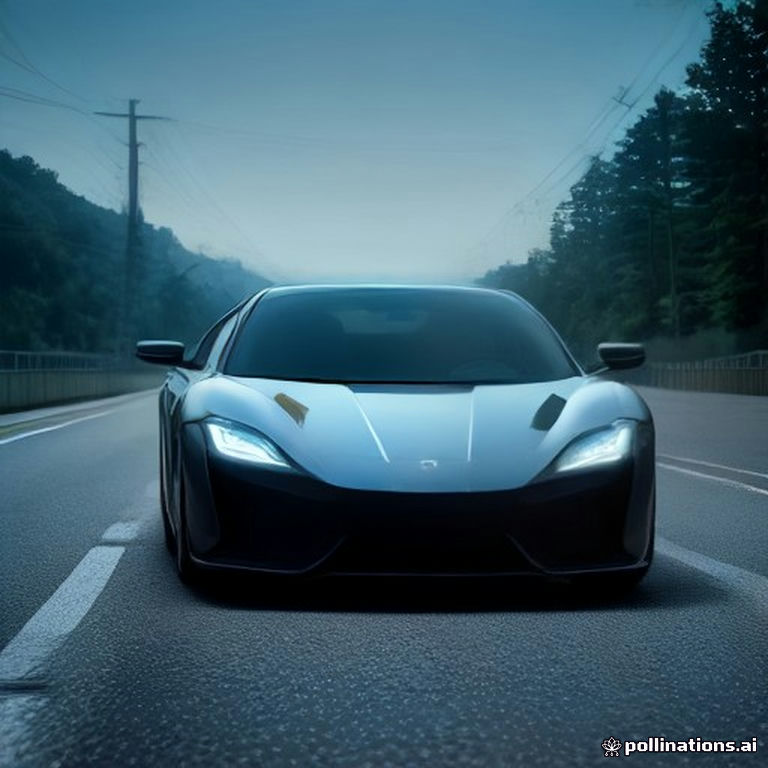
Honda’s Vision: Charging Vehicles on the Move in Japan
In a groundbreaking move, Honda announced its intention to develop an induction charging highway in Japan. Partnering with an undisclosed road construction company, the project aims to recharge civilian and commercial vehicles continuously as they drive, potentially eliminating range anxiety and streamlining EV adoption.
This commitment to dynamic wireless charging represents a significant leap, integrating charging directly into road infrastructure. Honda hopes this will address key EV owner challenges, notably range anxiety and limited high-speed charging availability.
How Dynamic Induction Charging Works
Induction charging uses electromagnetic principles to transfer energy wirelessly. Coils embedded in the road generate an oscillating magnetic field. Receiving coils on EVs convert this field into electrical energy, powering the vehicle or charging its battery. Unlike static charging, dynamic induction allows continuous power transfer while in motion.
This ‘charge-as-you-drive’ capability could dramatically reduce onboard battery size and cost, making EVs lighter, more affordable, and more efficient. It also promises enhanced operational efficiency for commercial fleets by minimizing charging downtime.
Collaboration and Infrastructure Implications
The success of such a complex project hinges on strong collaboration. Honda’s partnership with a specialized road construction company is crucial, merging automotive engineering with civil infrastructure expertise. This partner will design, install, and maintain the charging infrastructure, ensuring its durability, safety, and integration into Japan’s highway network. This interdisciplinary approach involves planning for power supply, grid integration, and system longevity.
The goal is a robust, reliable system that safely and efficiently delivers power to moving vehicles. This ambition envisions future national highway arteries as self-charging pathways.
Challenges and Transformative Benefits
While dynamic induction charging offers immense benefits, its implementation presents several significant challenges:
- Infrastructure Cost: Embedding coils into roads requires significant financial investment and extensive civil engineering.
- Efficiency: High efficiency in wireless power transfer across varying speeds and alignments is critical.
- Standardization: Universal standards for vehicle and road coils are essential for interoperability.
- Safety: Rigorous testing for EMF exposure and system resilience is necessary.
- Grid Integration: Managing power demand and stable grid integration demands sophisticated energy management.
Despite these hurdles, benefits could revolutionize transport. Alleviating range anxiety would accelerate EV adoption, making electric vehicles more viable for long-distance travel. For commercial logistics, it means smaller, lighter batteries, reduced operating costs, and continuous operation, aligning with global decarbonization efforts.
Global Context and Future Outlook
Honda’s initiative is part of a broader global trend. Various entities explore wireless charging potential, with projects in South Korea, Sweden, and the US demonstrating dynamic charging feasibility. These pilot programs refine the technology and contribute to collective knowledge. Honda’s commitment underscores growing confidence in this technology’s long-term viability and its potential as a cornerstone of future smart cities and transportation.
Investment in such infrastructure signifies a proactive approach to future-proofing transportation. It fundamentally redesigns how vehicles are powered, promising uninterrupted journeys and a reduced environmental footprint.
Conclusion: Paving the Way for a Seamless Electric Future
Honda’s plan to develop an induction charging highway in Japan represents a bold step towards an integrated, sustainable electric mobility future. While the company « hopes to charge civilian and commercial vehicles as they drive, » this aspiration highlights a vision where gasoline refueling convenience is matched by seamless wireless electric charging efficiency. Realizing this vision will involve substantial challenges. However, the initiative positions Honda at the forefront of innovation, potentially revolutionizing global electric transportation.
Source : https://www.caranddriver.com/news/a74207899/honda-building-induction-charging-highway-japan/
