


Revolutionizing Automotive Maintenance: The Rise of Deeper Over-The-Air Updates
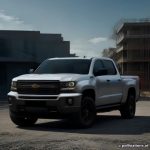
The automotive industry is in the midst of a profound transformation, driven largely by advancements in software and connectivity. General Motors (GM) is at the forefront of this shift, implementing a new central computer system designed to fundamentally alter how vehicles are maintained and improved. This strategic move promises a future where vehicles, including forthcoming models like the Chevrolet Silverado, will require significantly fewer physical visits to dealerships for routine software updates, ushering in an era of unprecedented convenience and continuous improvement for vehicle owners.
For decades, keeping a car’s software up-to-date often meant scheduling an appointment, driving to a service center, and waiting while technicians physically connected diagnostic tools to upload new firmware. This process, while necessary, was time-consuming for both owners and dealerships. GM’s innovative approach aims to circumvent these traditional hurdles by enabling Over-The-Air (OTA) updates to penetrate far deeper into a vehicle’s core systems than ever before, mirroring the seamless updates we’ve grown accustomed to with our smartphones and computers.
The Brain Behind the Bytes: GM’s Centralized Computing Architecture
At the heart of this revolution is GM’s new central computer system. Unlike older vehicle architectures that relied on a multitude of isolated electronic control units (ECUs) managing individual components (engine, transmission, infotainment, safety systems), this new system adopts a more integrated, centralized approach. Think of it as the vehicle’s single, powerful brain, capable of orchestrating complex functions across all its interconnected modules. This consolidation is critical, as it provides a unified platform through which comprehensive software updates can be delivered efficiently and securely.
This advanced architecture not only streamlines communication between various vehicle systems but also enhances the overall processing power and data handling capabilities. It lays the groundwork for vehicles that are not merely transportation devices but sophisticated, adaptable platforms that can evolve and improve over their lifespan. The ability to push updates from a central command center directly to the vehicle eliminates many of the logistical challenges associated with disparate systems, paving the way for a truly connected automotive ecosystem.
Beyond Infotainment: What ‘Deeper Updates’ Truly Encompass
The phrase "deeper into cars" signifies a monumental leap beyond the simple infotainment system updates or navigation map refreshes that many modern vehicles already offer. This new capability allows GM to send software updates to critical, previously inaccessible domains of a vehicle’s operation. This includes areas such as:
- Powertrain Control Modules: Optimizing engine performance, fuel efficiency, and emissions controls. For electric vehicles (EVs), this could mean updates to battery management systems (BMS) for improved range or charging efficiency.
- Transmission Control Units: Refining shift logic for smoother gear changes or enhanced responsiveness.
- Advanced Driver-Assistance Systems (ADAS): Improving the functionality and reliability of features like adaptive cruise control, lane-keeping assist, automatic emergency braking, and parking aids.
- Braking and Steering Systems: Enhancing the precision and safety of these fundamental vehicle controls, where applicable through software.
- Chassis and Suspension Controls: Adjusting parameters for ride comfort, handling, and stability.
- Body Control Modules: Managing various electrical functions, from lighting to window operation.
The scope of these deeper updates means that GM vehicles will have the capacity to receive substantial enhancements, bug fixes, and even entirely new functionalities throughout their ownership, all without the need for a physical visit to a service bay.
Unlocking Unprecedented Convenience and Continuous Improvement for Owners
For GM vehicle owners, the benefits of this enhanced OTA capability are substantial and immediate. The most apparent advantage is the unparalleled convenience it offers:
- Time Savings: No more scheduling appointments, driving to the dealership, and waiting for service to be completed. Updates can often be performed overnight or at the owner’s discretion while the vehicle is parked.
- Cost Savings: Reducing the need for dealership visits for software-related issues can save owners fuel costs, mileage on their vehicle, and potentially even service fees for routine updates.
- Improved Performance and Features: Vehicles can genuinely get "better with age." Owners can receive performance enhancements, new convenience features, or refined safety protocols long after the initial purchase.
- Faster Bug Fixes and Security Patches: Critical software vulnerabilities or operational glitches can be addressed swiftly and efficiently across the entire fleet, enhancing vehicle safety and reliability.
- Enhanced Resale Value: A vehicle that has received continuous updates and new features may retain its value more effectively than one that remains static.
This paradigm shift transforms the traditional concept of vehicle ownership from a depreciating asset with fixed capabilities into an evolving platform that adapts to new technologies and owner needs.
The Broader Industry Trend and Future Implications
GM’s move aligns with a broader industry trend where connectivity and software intelligence are becoming as crucial as mechanical engineering. Companies like Tesla pioneered comprehensive OTA updates, demonstrating the immense value they bring to both manufacturers and consumers. Now, major automakers worldwide are investing heavily in similar capabilities, recognizing that software-defined vehicles are the future.
This advancement also has significant implications for how manufacturers can introduce new features and services. While the immediate benefit is reduced dealership visits for updates, the long-term potential includes personalized vehicle experiences, subscription-based features, and the ability to integrate future technologies more seamlessly into existing vehicle platforms. This ensures that a vehicle purchased today remains relevant and competitive years down the line.
Impact on Dealerships and the Future of Maintenance
While the prospect of fewer physical updates might raise questions about the role of dealerships, it’s important to understand that this change does not eliminate their importance. Dealerships will continue to be vital for physical maintenance, repairs, inspections, and more complex mechanical work that cannot be resolved through software alone. Instead, this shift allows dealership service departments to focus their valuable technician time and resources on more intricate repairs and customer-facing services that truly require hands-on expertise.
It also provides an opportunity for dealerships to evolve, perhaps focusing more on diagnostics, major component replacements, and personalized customer experiences, while the burden of routine software updates is lifted. This reallocation of resources could lead to more efficient service operations overall.
Conclusion: A Smarter, More Adaptable Vehicle Future
GM’s implementation of a new central computer system, enabling deeper over-the-air updates, represents a pivotal moment in automotive engineering and customer service. It signifies a transition towards vehicles that are not static machines, but dynamic, intelligent platforms capable of continuous improvement. For future owners of vehicles like the Chevrolet Silverado and other GM models, this means a more convenient, safer, and continuously evolving ownership experience, where their car can literally get smarter and more capable with time, all from the comfort of their driveway.
Source : https://www.autoblog.com/news/future-chevy-silverados-may-need-fewer-trips-to-the-dealer