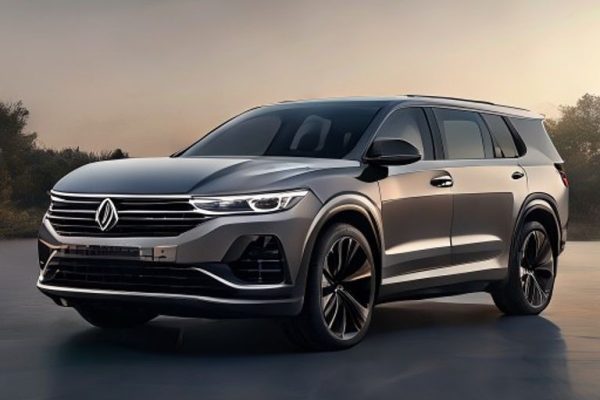

Volkswagen Considers Strategic Shift to China-Developed Software for European EVs
Volkswagen AG is reportedly weighing a significant strategic move: integrating software developed in China into its next-generation electric vehicles destined for the European market. This potential shift is not merely an operational adjustment but a substantial strategic pivot, driven by the prospect of considerable financial savings. Initial reports suggest that adopting Chinese-developed software could lead to cost efficiencies of up to an impressive $5.5 billion. This development underscores the intensifying global competition in the automotive software domain and highlights the evolving dynamics of international technology transfer within the industry.
The reported deliberation by Volkswagen signals a profound acknowledgment of the advancements made by Chinese technology companies in the automotive software sector. For years, Western automakers, including VW, have faced challenges in rapidly developing competitive in-house software solutions, leading to project delays and cost overruns. The highly dynamic and competitive Chinese EV market has, conversely, spurred incredibly rapid innovation in areas like infotainment systems, autonomous driving functionalities, and vehicle operating systems. By leveraging existing, proven Chinese platforms, Volkswagen could potentially bypass lengthy and expensive development cycles, reallocating resources and accelerating its rollout of future EV models.
The ‘$5.5 Billion’ Imperative: A Deeper Dive into Cost Savings
The potential savings of up to $5.5 billion represent a colossal figure within the automotive industry, signaling the immense financial pressure and investment required for modern EV software development. This sum is not just about reducing immediate development costs; it encompasses a broader range of efficiencies. It could include reduced staffing requirements for software engineering in Europe, accelerated time-to-market for new models, decreased spending on research and development infrastructure, and potentially optimized supply chain costs associated with software integration. For a global automotive giant like Volkswagen, such substantial savings could be transformative, allowing for greater investment in other critical areas like battery technology, charging infrastructure, or further market expansion.
The decision to outsource or adopt external software solutions often comes with a detailed cost-benefit analysis. In Volkswagen’s case, the $5.5 billion figure likely reflects the company’s internal estimates of what it would cost to develop a comparable, competitive software suite from scratch, factoring in development time, intellectual property acquisition, talent recruitment, and ongoing maintenance. This potential saving highlights not only the maturity and cost-effectiveness of the Chinese software ecosystem but also the significant investment burden traditional automakers face in transitioning to software-defined vehicles. The move, if confirmed, would represent a strategic procurement decision aimed at boosting profitability and competitiveness in a rapidly evolving market.
Strategic Implications for Volkswagen’s Global Ambitions
Should Volkswagen proceed with integrating China-developed software, the strategic ramifications for the company would be extensive. It signifies a pivotal shift in its global technology strategy, potentially making it less reliant on purely in-house or traditional Western suppliers for core software components. This could foster closer technological ties with Chinese partners, potentially leading to collaborative ventures and shared intellectual property in the future. Furthermore, by adopting proven software from a highly advanced EV market, Volkswagen could enhance its product offering, making its European EVs more competitive against rapidly emerging rivals, both from Asia and within Europe.
However, this strategy is not without its complexities. Integrating external software, especially from a different market context, requires meticulous planning for compatibility, regulatory compliance, and cultural adaptation. Volkswagen would need to ensure seamless integration with its existing hardware platforms, vehicle architectures, and diverse regional requirements across Europe. The move would also necessitate a careful assessment of intellectual property rights, data security protocols, and long-term support agreements with the Chinese software providers, safeguarding both Volkswagen’s interests and consumer data.
What This Could Mean for European Drivers
For European drivers, Volkswagen’s potential adoption of China-developed software could bring several notable changes and implications. It is crucial to frame these as potential benefits or considerations, as the exact outcomes will depend on Volkswagen’s implementation and integration strategy.
- Enhanced Infotainment and User Experience: The Chinese EV market is renowned for its sophisticated, feature-rich infotainment systems and intuitive user interfaces. Drivers could potentially benefit from more responsive systems, a broader array of connected services, advanced voice control, and a generally more modern digital cockpit experience. The rapid development cycles in China often lead to frequent updates and new functionalities, which could translate to European VW owners receiving quicker access to software enhancements.
- Competitive Pricing: If Volkswagen indeed realizes significant cost savings, a portion of these efficiencies could potentially be passed on to consumers. This might manifest as more competitively priced EV models, or it could allow Volkswagen to include a greater range of standard features at existing price points, enhancing value for money.
- Advanced Driver-Assistance Systems (ADAS): Chinese software is often at the forefront of ADAS development, including sophisticated parking assist, adaptive cruise control, and semi-autonomous driving features tailored for dense urban environments. European drivers could potentially gain access to more refined or advanced versions of these systems, improving safety and convenience.
- Over-the-Air (OTA) Updates: A hallmark of modern software-defined vehicles, OTA updates are crucial for maintaining vehicle functionality, introducing new features, and addressing software bugs. Leveraging Chinese software, which often prioritizes robust OTA capabilities, could mean more frequent, seamless, and comprehensive updates for European VW owners, keeping their vehicles technologically current over their lifespan.
- Data Privacy and Security Considerations: As with any cross-border technology integration, data privacy and security will be paramount. Volkswagen would be obligated to ensure that any China-developed software complies fully with stringent European data protection regulations, such as GDPR. Drivers would expect robust safeguards for their personal data, vehicle usage information, and location data.
- Localization and Adaptation: While the core software might be Chinese-developed, Volkswagen would undoubtedly undertake significant efforts to localize the experience for European markets. This would include adapting language, navigation mapping, regional services, and ensuring compliance with local traffic laws and cultural preferences. The quality of this localization effort will be key to driver acceptance and satisfaction.
Challenges and the Road Ahead
While the allure of substantial cost savings and advanced technology is clear, Volkswagen’s potential move faces several hurdles. Beyond the technical integration, managing public perception, particularly concerning the origin of core vehicle technology and data handling, will be critical. Regulatory approval across various European markets will also be a complex undertaking, especially regarding cybersecurity and data sovereignty. Volkswagen’s ability to seamlessly integrate, localize, and secure this software while maintaining its brand reputation will define the success of this ambitious strategy.
The automotive industry is in the midst of a profound transformation, with software rapidly becoming as crucial as hardware. Volkswagen’s reported consideration of China-developed software for its European EVs is a clear indicator of this paradigm shift. It underscores the global nature of technological innovation and the pragmatic decisions automakers are making to remain competitive, efficient, and at the forefront of the electric revolution. The coming years will reveal how this strategic gamble plays out for Volkswagen and its customers across Europe.
Source : https://www.autoblog.com/news/vw-may-bring-china-developed-tech-to-most-of-its-next-gen-evs