


If you’re looking to understand the difference between a coupe and a sedan, or even between a compact SUV and a mid-size SUV, let us break it down. Navigating the diverse world of automotive body styles and sizes can be daunting, but a clear understanding is crucial when choosing a vehicle that perfectly suits your lifestyle and needs. From sleek city commuters to robust family haulers, each design offers a unique blend of functionality, aesthetics, and driving dynamics.
The Core Distinctions: Sedans vs. Coupes
The most fundamental difference often lies in the number of doors and the vehicle’s profile. These two terms frequently cause confusion:
- Sedan: A sedan is traditionally defined as a passenger car with four doors, a separate trunk compartment that is not integrated with the passenger cabin, and a fixed roof. Sedans typically offer two rows of seating, comfortably accommodating four to five passengers. They are known for their balanced ride quality, fuel efficiency, and conventional appeal, making them a popular choice for daily commuting and family use.
- Coupe: Historically, a coupe is a two-door passenger car with a fixed roof and often a sportier, more compact appearance than a sedan. While many coupes offer a 2+2 seating configuration (two full-sized front seats and two smaller, less comfortable rear seats), the emphasis is generally on driving dynamics and style over maximum passenger capacity. Modern interpretations, however, have blurred these lines, with some manufacturers marketing « four-door coupes » – which are technically sedans with a dramatically sloped roofline resembling a traditional coupe’s silhouette.
Practicality Meets Versatility: Hatchbacks and Wagons
When cargo space and ease of access are priorities, hatchbacks and wagons enter the conversation, offering more flexible interiors than traditional sedans.
- Hatchback: A hatchback is characterized by a rear door (the « hatch ») that swings upward, integrating the cargo area with the passenger cabin. This design allows for greater versatility in cargo carrying, as the rear seats can often be folded down to create a large, open space. Hatchbacks are typically smaller than wagons, often found in subcompact and compact car classes, making them agile and fuel-efficient urban vehicles.
- Wagon: Similar in concept to a hatchback, a wagon (or station wagon) generally features a longer body than its sedan counterpart, extending the roofline further back to maximize cargo volume. Wagons typically retain the four-door configuration of a sedan but offer significantly more usable cargo space behind the rear seats, often without the higher ride height of an SUV. They combine car-like driving dynamics with impressive practicality.
The Rise of SUVs and Crossovers: Understanding the Size Spectrum
The SUV (Sport Utility Vehicle) and Crossover (CUV) segments have exploded in popularity, offering a commanding driving position, increased ground clearance, and versatile interiors. The distinction often lies in their underlying platform:
- Crossover (CUV): Built on a car-like unibody chassis, CUVs offer a smoother, more car-like ride and better fuel efficiency than traditional body-on-frame SUVs. They typically come with all-wheel-drive (AWD) options and appeal to drivers seeking SUV aesthetics and versatility without sacrificing comfort or efficiency.
- SUV (Traditional): Often built on a body-on-frame truck chassis, traditional SUVs prioritize ruggedness, towing capability, and off-road prowess. They are generally heavier and less fuel-efficient but excel in challenging conditions.
Within both CUVs and SUVs, size classifications are critical for understanding their capacity and purpose:
- Subcompact/Mini-SUV: These are the smallest SUVs, ideal for urban environments. They offer elevated seating, decent cargo space for their footprint, and excellent maneuverability. Examples include the Hyundai Kona or Kia Seltos.
- Compact SUV: This is one of the most popular segments, striking a balance between size, fuel efficiency, passenger comfort, and cargo capacity. They are versatile for small families and individuals alike. Think Honda CR-V or Toyota RAV4.
- Mid-size SUV: Offering more passenger and cargo room than compacts, many mid-size SUVs come with an optional or standard third row of seats, making them suitable for larger families. They provide a comfortable ride and often more powerful engine options. Examples include the Ford Explorer or Toyota Highlander.
- Full-size SUV: These are the largest SUVs, designed for maximum passenger capacity (often seating 7-9), substantial cargo volume, and serious towing capabilities. They are typically body-on-frame vehicles, offering robust performance but with lower fuel economy. The Chevrolet Tahoe/Suburban and Ford Expedition are prime examples.
Purpose-Built Vehicles: Trucks, Minivans, and More
Beyond the passenger car and SUV categories, other specialized body styles serve distinct purposes:
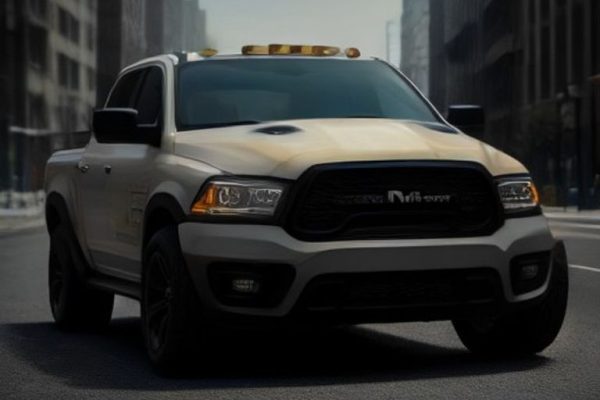
- Pickup Truck: Defined by an open cargo bed at the rear, pickup trucks are primarily designed for hauling and towing. They come in various sizes (mid-size, full-size, heavy-duty) and cabin configurations (single cab, extended cab, crew cab) to suit different work and lifestyle demands.
- Minivan: The quintessential family vehicle, minivans are characterized by their sliding rear doors, flexible seating configurations (often seating 7-8 passengers), and cavernous interior space. They prioritize passenger comfort and ease of access above all else.
- Convertible: Any vehicle with a retractable roof, allowing for open-air driving. Convertibles can be based on coupe or sedan platforms and range from sporty two-seaters to more comfortable four-seaters.
- Sports Car: While not strictly a body style, sports cars are a category of vehicles designed for performance, handling, and the joy of driving. They often come in coupe or convertible forms, typically with two seats, and prioritize acceleration and agility.
Making an Informed Choice
Understanding these distinct automotive body styles and size classifications is more than just knowing jargon; it’s about identifying the perfect vehicle that aligns with your specific needs. Whether you prioritize fuel efficiency for city driving, ample cargo space for family adventures, rugged capability for off-road excursions, or sheer driving pleasure, knowing these terms empowers you to make a confident and informed decision in the vast and exciting world of automobiles.
Source : https://www.caranddriver.com/shopping-advice/a64655267/vehicle-car-truck-suv-body-types-explained/