



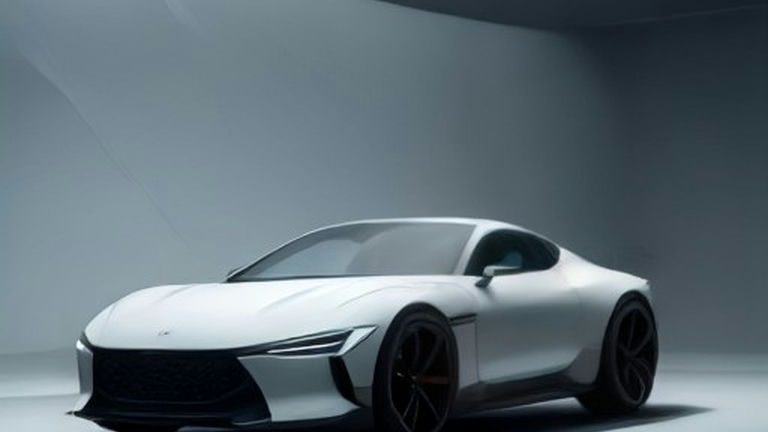
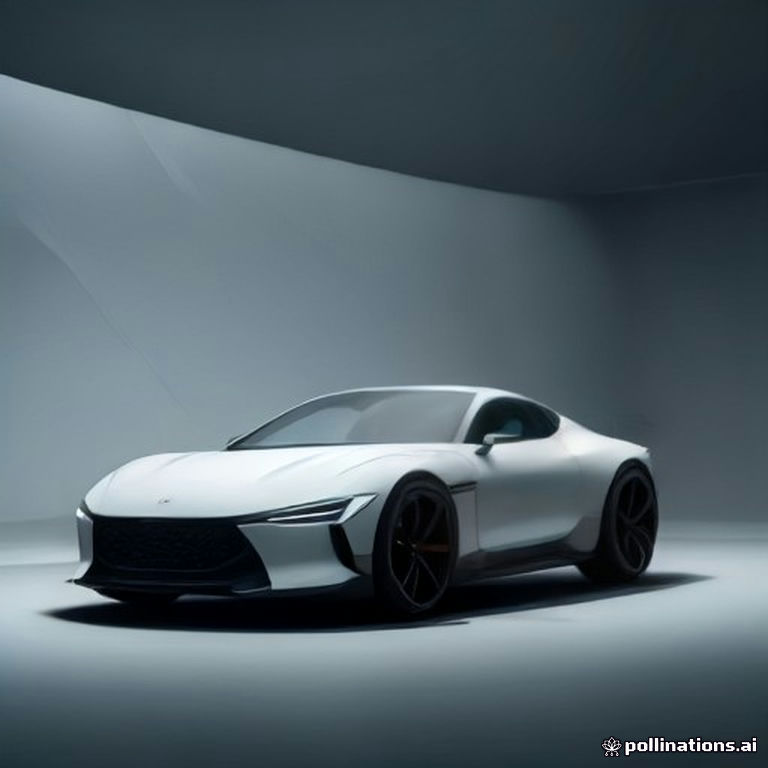
Polestar has unveiled its latest conceptual masterpiece, the Polestar Formula 2030, offering a compelling and deeply futuristic glimpse into the Swedish electric performance brand’s trajectory. This groundbreaking concept highlights an innovative approach to what it terms « tactile driving. » More than just an aesthetic exercise, the Formula 2030 is a critical precursor, signaling the brand’s next-generation design language that is set to significantly influence new production cars slated for release within the next two years. This unveiling underscores Polestar’s commitment to pushing boundaries in electric vehicle performance and crafting an engaging human-machine interface for the future.
The Role of Visionary Concept Cars in Automotive Evolution
Concept cars like the Polestar Formula 2030 serve as vital playgrounds for automotive designers and engineers, incubating radical ideas for future production models. They are strategic statements, testing reactions to new design directions, technological innovations, and driving philosophies. For Polestar, positioned at the intersection of performance, sustainability, and avant-garde design, a concept car articulates its long-term vision without immediate production constraints. It allows the brand to set a benchmark, challenge conventions, and showcase aspirations for tomorrow’s automotive landscape. The ‘Formula 2030’ nomenclature points towards a mid-term future, implying that showcased technologies and design tenets are achievable within a decade. This makes its influence on upcoming production models a tangible, realistic roadmap for Polestar’s evolution.
Exploring the Essence of « Tactile Driving » in the Formula 2030
Central to the Polestar Formula 2030’s narrative is « tactile driving. » While specifics remain under wraps, this phrase suggests a deliberate move to re-emphasize the physical and sensory connection between driver and vehicle, potentially counteracting the increasingly digital and automated nature of modern cars. In an era of proliferating screens and growing autonomous functions, Polestar appears to be exploring ways to enrich the human experience behind the wheel, ensuring driving remains an engaging and deeply felt activity.
We can infer several potential interpretations of « tactile driving » for Polestar:
- Physical Feedback and Ergonomics: This could involve highly responsive steering, accelerator, and brake pedals providing nuanced feedback, enhancing the driver’s connection to the road. It might also extend to cockpit ergonomics, with intuitively placed controls offering satisfying physical responses over digital taps.
- Material Innovation: The concept likely showcases innovative, sustainable interior materials offering unique textures and haptic qualities. Imagine surfaces that respond to touch, change appearance, or provide subtle vibrations, creating a richer sensory environment.
- Sensory Immersion: Beyond touch, « tactile driving » might encompass a broader sensory experience, including bespoke soundscapes enhancing the driving feel, or ambient lighting communicating vehicle status or driving dynamics, all deepening immersion.
- Driver-Centric Interface: Rather than overwhelming drivers, a tactile interface might prioritize essential information via physical cues, simplifying interaction and allowing greater focus on driving itself.
This emphasis is pertinent for Polestar, a brand built on performance and distinctive driving. It suggests that even as vehicles become more intelligent and autonomous, the joy and engagement of active driving will remain a core brand tenet.
From Concept to Concrete: Influence on Upcoming Polestar Models
Beyond its visual impact, the most significant aspect of the Polestar Formula 2030 is its stated role as a direct influencer on production vehicles within the next two years. This signifies that elements of this futuristic vision are already being primed for real-world application. While radical concept features rarely make it unchanged to the showroom, the core design language, technological philosophies, and innovative material choices almost certainly will.
Within the next 24 months, we can anticipate seeing key design cues from the Formula 2030 begin to emerge in Polestar’s new models. This might include:
- Evolved Exterior Aesthetics: Expect refined minimalist, Scandinavian design, potentially with more aggressive lines, new lighting signatures, or innovative proportions first hinted at by the concept.
- Interior Design Revolution: The « tactile driving » philosophy will likely translate into thoughtful, engaging interior spaces, including revised infotainment ergonomics, novel sustainable materials with unique textures, or driver controls prioritizing physical feedback over purely digital interactions.
- Advanced User Experience (UX): Driver interaction with car systems – from navigation to climate control – could be redefined, moving towards more intuitive and sensory-rich methods of control.
- Sustainable Material Integration: Polestar’s commitment to sustainability makes the Formula 2030 an ideal platform to showcase advanced, eco-friendly materials, soon seen in production cabins, contributing to environmental responsibility and a premium tactile feel.
This rapid transition from concept to production underscores Polestar’s agility and determination to remain at the forefront of automotive innovation, ensuring future models offer profoundly engaging, future-forward driving experiences.
Polestar’s Vision: Performance, Sustainability, and Distinctive Design
The Formula 2030 concept powerfully reaffirms Polestar’s core identity. Since inception, the brand has carved a unique niche, combining high-performance electric powertrains with a sleek, minimalist Scandinavian aesthetic. Sustainability is a cornerstone, with Polestar consistently reducing its vehicles’ environmental footprint. This concept car synthesizes these pillars, projecting them into a future where technology, environmental consciousness, and the joy of driving coexist harmoniously. The « Formula 2030 » designation evokes advanced performance and competitive spirit, suggesting Polestar intends to lead in design and dynamic electric vehicle capabilities. By focusing on « tactile driving, » the brand values the human connection to the machine, even while embracing cutting-edge electrification and potential autonomy. This is a subtle yet significant differentiation in a market increasingly dominated by digital screens and hands-off driving promises.
Conclusion: A Compelling Glimpse into Polestar’s Next Chapter
The Polestar Formula 2030 concept car is a compelling, ambitious statement. It clearly indicates Polestar’s aim to define trends, especially in driver interaction with vehicles in the coming decade. By previewing next-generation designs and emphasizing a revolutionary « tactile driving » approach, Polestar sets a high bar for future production models. With elements of this visionary concept slated to appear in new production cars within two years, enthusiasts and industry observers will keenly watch how Polestar translates these futuristic ideas into tangible, road-ready vehicles. The Formula 2030 promises a future where advanced technology enhances, rather than diminishes, the profound and engaging experience of driving.
Source : https://www.caranddriver.com/news/a74389720/polestar-formula-2030-concept-revealed/