




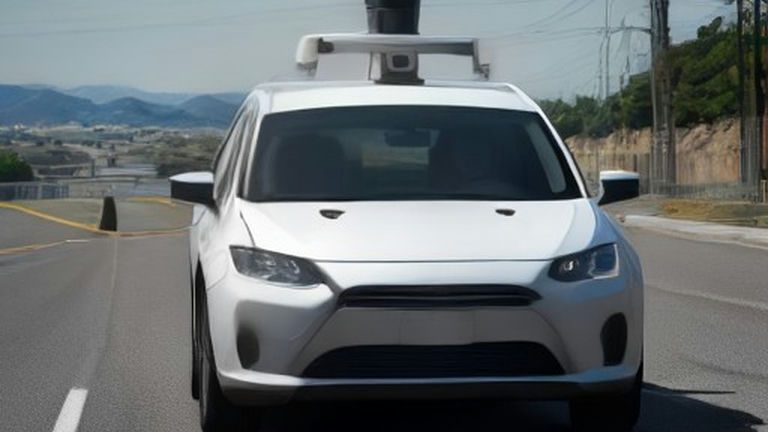
California has implemented a significant restriction on Waymo’s autonomous vehicle operations, temporarily banning the company’s self-driving cars from state highways. The decision comes as state authorities cite ongoing safety concerns, particularly those related to the vehicles’ performance in construction zones and during interactions with police activity. This move underscores the rigorous scrutiny applied to the nascent autonomous driving industry and highlights the complex challenges that advanced AI must still overcome to achieve full public trust and regulatory approval.
The Scope of the Ban and Its Immediate Implications
The directive means that Waymo vehicles, which operate extensively across various California cities, are now prohibited from traversing the state’s expansive network of highways until the identified safety issues are comprehensively addressed. While the specific agency enforcing the ban isn’t detailed, it falls under the purview of California’s robust regulatory framework for autonomous vehicles, which often involves the Department of Motor Vehicles (DMV) and the California Public Utilities Commission (CPUC).
- Operational Disruption: This ban significantly limits Waymo’s operational routes, potentially impacting the efficiency and scope of its ride-hailing and logistics services that rely on highway transit.
- Focus on Specific Scenarios: The targeted nature of the ban – specifically mentioning construction zones and police activity – indicates a precise set of challenges that regulators have observed and deemed critical for public safety.
- Conditional Restriction: Crucially, the ban is not permanent. It is contingent on Waymo demonstrating that it has adequately resolved the identified safety concerns, suggesting a pathway for reinstatement once fixes are verified.
For Waymo, a leader in the autonomous driving space, this development represents a notable setback in one of its primary testing and operational environments. It compels the company to immediately prioritize and rectify the shortcomings highlighted by state authorities, which are vital for the continued expansion and acceptance of its technology.
Deciphering the Safety Concerns: Construction Zones and Police Activity
The decision to halt Waymo’s highway operations specifically points to difficulties encountered in two dynamic and often unpredictable environments: construction zones and situations involving police activity. These scenarios present unique and heightened challenges for autonomous systems compared to routine driving.
- Construction Zones:
- Unpredictable Layouts: Roads in construction zones are frequently rerouted, have temporary lane markings, and may involve sudden closures or diversions not accurately reflected in pre-loaded maps.
- Human Interaction: Flag persons, construction workers, and atypical pedestrian movements require nuanced understanding and quick, safe responses that differ from standard traffic rules.
- Debris and Obstacles: Unexpected objects on the road, temporary signage, and unusual equipment can confuse sensors and prediction algorithms.
- Police Activity:
- Emergency Vehicle Response: Autonomous vehicles must accurately detect, localize, and predict the movements of emergency vehicles with flashing lights and sirens, often requiring them to pull over or yield unexpectedly.
- Manual Directives: Police officers often use hand signals or verbal commands that autonomous systems may struggle to interpret reliably, especially in high-stress situations.
- Temporary Road Closures: Unplanned road blocks or traffic redirection by law enforcement requires quick adaptation beyond standard navigation.
The core challenge for autonomous vehicles in these situations lies in their ability to perceive, predict, and safely react to highly variable and often non-standard conditions that deviate from pre-programmed rules or learned behaviors. Human drivers rely on intuition, real-time communication, and flexible decision-making, attributes that are still incredibly complex to perfectly replicate in artificial intelligence.
Regulatory Scrutiny and the Evolving Landscape of AVs
California has long been at the forefront of autonomous vehicle testing and regulation, often setting precedents for other states and countries. This ban on Waymo’s highway access underscores the state’s unwavering commitment to public safety as the paramount consideration in the deployment of self-driving technology. Regulators are tasked with balancing the promise of innovation and efficiency that AVs offer against the critical need to ensure they operate as safely, if not safer, than human-driven vehicles.
This incident also reflects the iterative nature of AV development. As autonomous systems accumulate more real-world mileage, new edge cases and operational challenges inevitably emerge. Regulatory bodies, in turn, adapt their oversight to address these discoveries, often through a combination of data analysis, incident reviews, and direct communication with developers. The Waymo ban is a clear signal that even leading companies are subject to stringent oversight and must continuously demonstrate safety improvements to maintain their operational licenses.
Implications for Waymo and the Broader Industry
For Waymo, this ban necessitates a thorough review and probable overhaul of its software and operational protocols related to construction zones and police interactions. It could impact the company’s planned expansion, its reputation among consumers and investors, and its timeline for achieving fully unsupervised autonomous operations across all road types. The company will likely need to engage closely with California authorities, providing detailed reports, demonstration runs, and evidence of corrective actions.
Beyond Waymo, this development sends a clear message to the entire autonomous driving industry: the path to widespread deployment is not without significant regulatory hurdles. It reinforces the idea that safety validation is an ongoing process, and public trust is fragile. Companies developing AVs must prioritize robust testing, transparent reporting, and continuous improvement in handling the most challenging and unpredictable driving scenarios.
The Path Forward: Addressing the Concerns
To lift the ban, Waymo will undoubtedly embark on a concerted effort to address the identified safety concerns. This will likely involve:
- Software Enhancements: Refining perception algorithms, prediction models, and decision-making logic specifically for dynamic construction environments and police interactions.
- Expanded Testing: Conducting extensive simulations and real-world testing in controlled environments that mimic the problematic scenarios, followed by rigorous on-road validation.
- Data Analysis: Deep diving into existing operational data to identify patterns of incidents or near-misses that led to the regulatory action.
- Regulatory Engagement: Collaborating closely with California authorities, providing transparent updates, and demonstrating the effectiveness of their solutions.
The ability of Waymo to quickly and effectively implement these changes will be crucial for its future operations in California. The state’s decision sets a precedent, indicating that regulators are prepared to take decisive action when safety concerns arise, pushing AV developers to meet ever-higher standards before unleashing their technology fully onto public roadways.
In conclusion, California’s ban on Waymo’s highway operations serves as a stark reminder of the delicate balance between fostering technological innovation and ensuring public safety in the realm of autonomous vehicles. While the self-driving industry continues to advance rapidly, incidents like this underscore that the journey to truly ubiquitous and trusted autonomous transportation is still evolving, requiring continuous vigilance from both developers and regulators alike.
Source : https://www.caranddriver.com/news/a74469384/california-bans-waymo-from-highways-safety/