

FullGood’s Ambitious Entry into the U.S. Automotive Market
Global automotive landscape sees more Chinese automakers targeting Western markets. FullGood, a Chinese automaker, has articulated its intention to introduce classic-car-inspired Plug-in Hybrid Electric Vehicles (PHEVs) into the challenging United States market. This strategic move signals a trend of Chinese brands expanding globally, bringing diverse offerings and new design philosophies. The endeavor underscores a belief that distinct design language, combined with modern powertrain technology, can resonate with American buyers.
FullGood’s market entry emphasizes vehicles drawing inspiration from iconic past automotive designs. This strategy taps into consumer nostalgia, offering a contemporary driving experience in a visually appealing, retro-inspired package. Blending classic aesthetics with advanced propulsion systems represents an attempt to carve a unique niche. The U.S. market, known for diverse preferences and heritage appreciation, presents opportunities and barriers for new entrants.
The « Summer » Van: A Glimpse of FullGood’s Vision
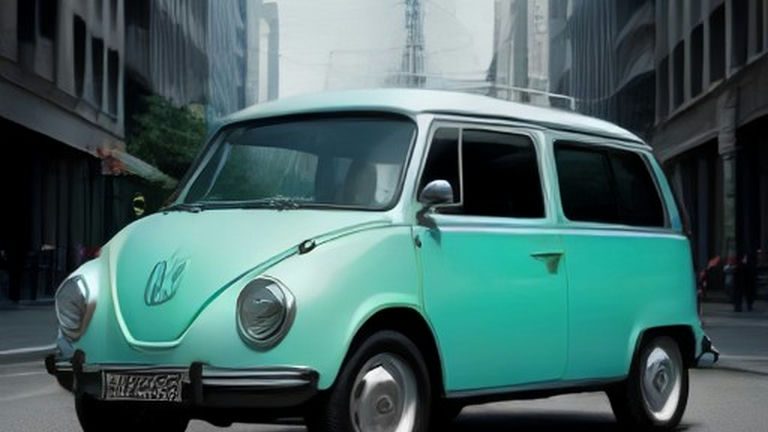
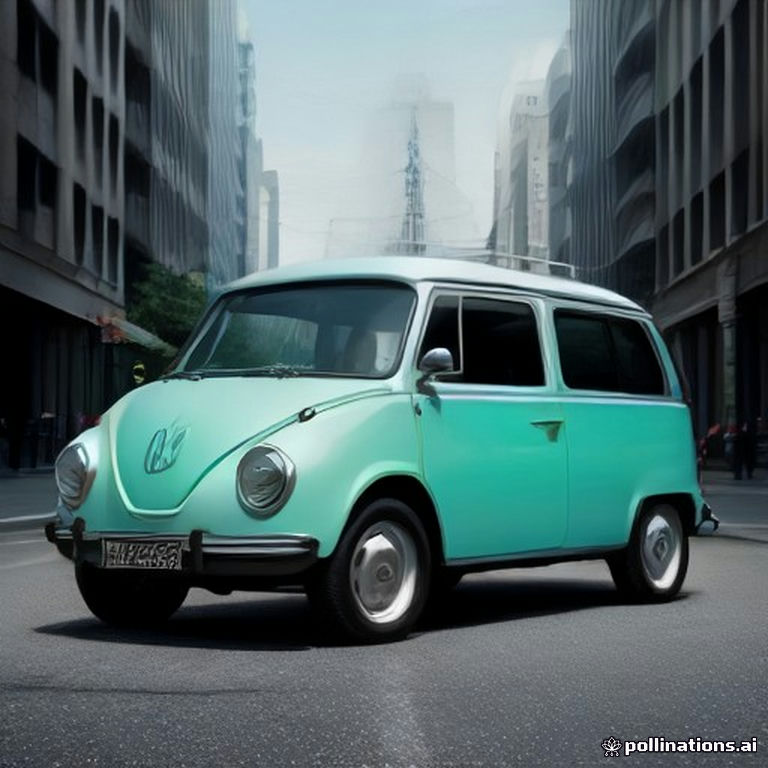
As a tangible demonstration of its aspirations, FullGood recently brought the « Summer » model to Los Angeles. This seven-seat van prominently features design cues inspired by the legendary Volkswagen Microbus. Showcasing the Summer in Los Angeles, a global automotive culture hub, was a calculated move to introduce the brand’s aesthetic and technological capabilities. The city’s influence on style and consumer perception can significantly impact a new brand’s trajectory.
The choice of the VW Microbus as inspiration for the Summer is significant. The original Volkswagen Type 2, the Microbus, holds an indelible place in automotive history and popular culture. Revered for its utilitarian design, spacious interior, and association with counter-culture movements, it embodies an era. Its distinctive silhouette is an enduring icon. Drawing from such a universally recognized classic, FullGood aims to evoke familiarity and positive association, potentially easing its path for new offerings.
The « Summer, » a seven-seat van, targets a market segment valuing practicality, passenger capacity, and versatile utility. Its spacious configuration combined with a retro-inspired exterior suggests a vehicle for families and individuals seeking both functionality and distinctive style. The Summer’s presence in a key American city provides a concrete example of FullGood’s product vision, allowing potential partners to assess the quality and appeal of its proposed lineup.
Plug-in Hybrid Electric Vehicle (PHEV) Technology: A Modern Approach
FullGood’s commitment to bringing Plug-in Hybrid Electric Vehicles (PHEVs) to the U.S. aligns with contemporary automotive technology trends. PHEVs serve as a bridge to a fully electric future, offering electric propulsion benefits for shorter commutes while mitigating range anxiety via a conventional engine. This dual-powertrain provides flexibility for daily electric driving, reducing emissions and fuel consumption, while retaining extended range travel without frequent charging.
Integrating PHEV technology into classic-car-inspired designs offers a unique proposition: nostalgic charm without compromising modern efficiency, performance, and environmental responsibility. As global emissions regulations tighten and consumer demand for sustainable options grows, PHEVs are increasingly appealing. FullGood’s focus on this powertrain type indicates a strategic understanding of market demands and regulatory landscapes, positioning its vehicles as relevant alternatives in the U.S. market.
Seeking an American Partner: A Cornerstone of U.S. Market Entry
FullGood’s presence in Los Angeles with the Summer van aims to court and secure an American partner. Establishing a robust partnership is critical for foreign automakers, especially from China, to successfully navigate the U.S. market. The American automotive landscape features unique regulatory frameworks, established distribution networks, and specific consumer preferences, all requiring localized expertise.
A strategic American partner could provide invaluable assistance across several key areas:
- Distribution and Sales Network: Leveraging existing dealerships or establishing new, localized sales infrastructure.
- Manufacturing and Supply Chain: Enabling local assembly or sourcing, mitigating tariffs and logistical challenges.
- Regulatory Compliance: Navigating federal and state regulations, including safety, emissions, and consumer protection.
- Brand Building and Marketing: Developing tailored marketing strategies to resonate with American consumers, building brand recognition.
- After-Sales Service and Support: Ensuring comprehensive service for maintenance, repairs, and parts, crucial for customer satisfaction.
Identifying and securing the right partner is a delicate, lengthy process. FullGood’s proactive demonstration of its product in the U.S. signals its readiness to engage in these discussions and cement its path towards a formal market launch.
Conclusion: Paving the Way for a New Automotive Chapter
FullGood’s endeavor to bring classic-car-inspired PHEVs from China to the U.S., exemplified by the Summer van in Los Angeles, marks an intriguing automotive development. It blends reverence for automotive history with a commitment to modern, sustainable technology. Securing an American partner underscores the company’s understanding of pragmatic necessities for market penetration. While challenges lie ahead, FullGood’s strategic approach—distinctive design, conscious powertrains, and localized partnerships—sets the stage for a potentially significant new chapter for Chinese automakers in the competitive U.S. market.
Source : https://www.caranddriver.com/news/a74484003/fullgood-motor-chinese-retro-styled-cars-us-market/


