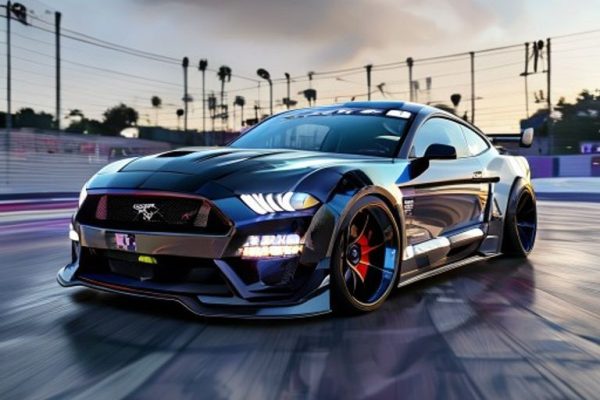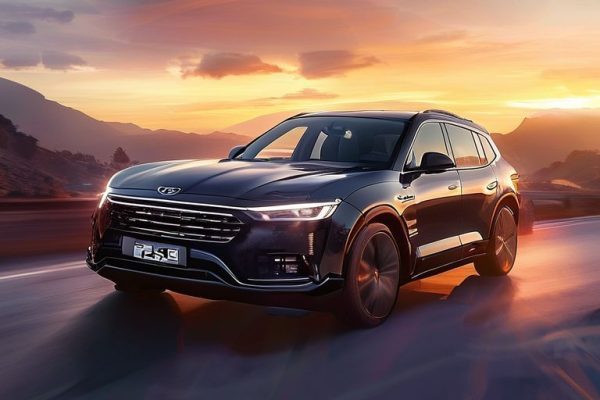

The automotive world is in the midst of a revolutionary shift, with electric vehicles (EVs) rapidly moving from niche status to mainstream appeal. As global sustainability goals and technological advancements converge, an exciting array of new EVs is perpetually on the horizon. These vehicles, however, are not yet available for purchase; they exist in various stages of development, from visionary concepts to late-stage prototypes. This dynamic pipeline promises a future rich with diverse and capable electric models, though the journey from drawing board to dealership is complex, and for some, the production line may never be reached.
The Journey from Vision to Reality
Developing a new vehicle, especially an electric one, is an intricate process demanding immense resources and time. Manufacturers navigate several critical phases to bring their electrified visions to life:
- Concept & Vision: Often the first public reveal, concept vehicles are designed to ignite imagination and showcase technological prowess. These striking, sometimes fantastical, models demonstrate a manufacturer’s future design language, innovative features, and overall strategic direction. While not production-ready, they serve to gauge public interest and set expectations for future offerings.
- Prototyping & Rigorous Testing: Once a concept solidifies, engineering teams build functional prototypes. These early versions undergo extensive, multi-stage testing in diverse environments—from extreme hot and cold climates to simulated crash scenarios. This phase is critical for refining battery performance, motor efficiency, structural integrity, software systems, and advanced driver-assistance features, ensuring reliability and safety before mass production.
- Pre-Production & Market Readiness: The final development stage involves manufacturing pre-production models on assembly lines designed for the eventual mass-produced vehicle. This helps identify and rectify any manufacturing inefficiencies, calibrate equipment, and finalize quality control processes. Concurrently, regulatory certifications, market positioning, and supply chain logistics are locked down, preparing for the official launch and customer deliveries.
Navigating Challenges: Why Some EVs Fade Away
Despite significant investment and anticipation, not every vehicle in development successfully transitions to market. Various factors can impede or halt the production journey:
- Economic Tides & Market Shifts: Global economic downturns, fluctuating raw material costs, or unexpected shifts in consumer demand can force manufacturers to re-evaluate product viability. A vehicle designed for a specific market niche might become less attractive if economic conditions shift.
- Technological Hurdles: Integrating cutting-edge technology into a reliable, mass-produced vehicle presents immense challenges. Unforeseen engineering complexities, issues with battery technology scalability, software bugs, or supply chain limitations for innovative components can cause significant delays or cancellations.
- Regulatory Evolution: Automotive regulations, particularly concerning safety and environmental impact, are constantly evolving worldwide. Changes during a vehicle’s lengthy development cycle can necessitate costly redesigns or even render a model non-compliant for target markets.
- Supply Chain Vulnerabilities: Recent global events have highlighted the fragility of automotive supply chains. Shortages of critical components like semiconductors, specific battery minerals, or manufacturing capacity can severely impact production timelines and costs, pushing models back or off the agenda entirely.
- Strategic Realignments: Corporate strategies can change due to new leadership, mergers, or a pivot in overall business direction. Projects that no longer align with the company’s updated core focus or financial priorities may be shelved in favor of other, more strategically important initiatives.
What to Expect: General Trends in Future EVs
For consumers eagerly awaiting the next wave of electric vehicles, several overarching trends are defining the models currently in development and nearing release:
Enhanced Performance & Range: Addressing range anxiety remains paramount. Future EVs are poised to offer significantly longer driving ranges on a single charge, coupled with ultra-fast charging capabilities that will dramatically reduce charging times, making long-distance travel more practical and convenient.
Diversification of Form Factors: The initial EV market was somewhat limited in body styles. The upcoming generation promises a dramatic expansion, including a greater variety of electric pickup trucks, rugged SUVs, spacious family vehicles, performance-oriented sports cars, and even more compact urban mobility solutions, catering to virtually every segment.
Advanced Digital Integration: Expect future EVs to be digital powerhouses. This includes highly intuitive and customizable infotainment systems, advanced connectivity features, sophisticated voice assistants, and increasingly capable autonomous driving features, moving towards more advanced Level 2+ and potentially Level 3 systems for hands-free driving in specific conditions.
Sustainable Materials & Production: Beyond just zero tailpipe emissions, manufacturers are focusing on the entire lifecycle footprint. This means greater use of recycled and sustainably sourced materials in interiors, more efficient manufacturing processes powered by renewable energy, and ethical sourcing of battery components, pushing towards truly greener mobility.
For the Eager Consumer: Anticipating the Next Wave
The constant stream of future EV announcements creates a unique dynamic for potential buyers, blending excitement with strategic consideration:
- The Waiting Game: For many, the allure of upcoming models with superior specifications or novel features creates a dilemma: purchase an an excellent EV available today, or wait for the promise of something potentially groundbreaking around the corner.
- Managing Expectations: Early announcements often feature ambitious specifications and launch timelines. It’s prudent for consumers to understand that these details can evolve as a vehicle moves closer to production, with final figures sometimes differing from initial concepts due to engineering realities or market adjustments.
- Staying Informed: Tracking reliable automotive news outlets and manufacturer updates is crucial for prospective buyers. This vigilance helps in discerning which promising concepts are gaining traction and which might face delays or significant changes, aiding in more informed purchase decisions when the time is right.
The future of electric vehicles is an exhilarating landscape of continuous innovation. The models currently in various stages of development represent the cutting edge of automotive technology, promising a more efficient, sustainable, and connected driving experience. While the path to production is never guaranteed, the collective momentum ensures an ever-evolving and increasingly diverse range of electric options for tomorrow’s roads.
Source : https://www.caranddriver.com/news/g29994375/future-electric-cars-trucks/