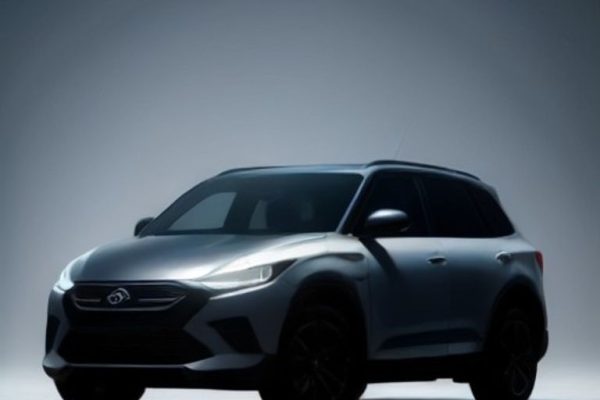



In the world of electric vehicles (EVs), range anxiety doesn’t have to be a constant concern. While battery technology continues to advance, a significant portion of your EV’s driving range is within your control. By understanding and utilizing your car’s built-in capabilities and adopting smart driving habits, you can significantly extend the miles you get from every recharge. These expert tips focus on practical, actionable strategies to optimize your EV’s efficiency, ensuring you squeeze the most out of every kilowatt-hour.
1. Embrace Gentle Driving Habits
Aggressive driving, with rapid acceleration and sudden braking, is a major drain on any vehicle’s energy. While electric motors offer instant torque, exercising restraint dramatically improves range. Smoothly accelerating and gradually decelerating allows the vehicle to operate more efficiently and maximizes regenerative braking. Gentle inputs lead to greater efficiency, akin to driving with an egg under your accelerator pedal.
2. Mind Your Speed
Aerodynamic drag is a significant energy consumer, especially at higher speeds. As your vehicle pushes through the air, it expends energy to overcome this resistance, which increases exponentially with speed. Maintaining moderate speeds, particularly on highways, can substantially extend your range. Reducing your speed by even a small margin on a long journey translates into noticeable gains in available mileage.
3. Leverage Preconditioning
Heating or cooling your EV’s cabin draws considerable power directly from the battery once you’re on the road. Many modern EVs offer a « preconditioning » feature, allowing you to warm or cool the interior while the vehicle is still plugged into the charger. This uses grid power to bring the cabin to a comfortable temperature, saving valuable battery energy for propulsion and ensuring you start with maximum available range.
4. Optimize HVAC Usage
Beyond preconditioning, smart use of your heating, ventilation, and air conditioning (HVAC) system throughout your drive is crucial. Seat heaters and heated steering wheels are significantly more energy-efficient than heating the entire cabin air. In colder weather, layer up; in warmer weather, use ventilation strategically. Only run the full climate control system when truly necessary, and consider « Eco » modes for your HVAC.
5. Maintain Proper Tire Pressure
This fundamental tip is especially pertinent for EVs. Underinflated tires increase rolling resistance, forcing your motor to work harder. This directly translates to reduced range. Regularly check your tire pressure against the manufacturer’s recommended specifications, typically found on a sticker inside the driver’s door jamb. Properly inflated tires improve efficiency, safety, and tire longevity.
6. Lighten Your Load
Every extra pound your EV carries requires more energy to move. While passenger count is often fixed, you can control the items you carry. Remove unnecessary heavy objects from your trunk or cabin, such as golf clubs or toolboxes not needed for your current trip. A lighter vehicle demands less energy for acceleration and sustained motion, contributing to better range.
7. Strategic Route Planning
Just as with internal combustion engine vehicles, the route you choose impacts efficiency. Hilly terrain requires more energy for climbs, though regenerative braking helps on descents. Stop-and-go traffic constantly consumes energy. Use your EV’s navigation or a dedicated app to plan routes that prioritize flatter roads, minimize heavy congestion, and optimize for the most efficient travel.
8. Utilize Eco-Driving Modes
Most electric vehicles come equipped with various driving modes, often including an « Eco » or « Range » mode. These modes typically adjust throttle response, limit maximum power output, and modify climate control settings to prioritize energy efficiency over performance. Engaging these modes for daily commutes or when range is a concern can make a tangible difference in your usable mileage, offering a software-based advantage.
9. Master Regenerative Braking
Regenerative braking is a significant advantage of an EV, converting kinetic energy back into electrical energy to recharge the battery during deceleration. To maximize its benefit, learn to anticipate stops and traffic flow. Instead of sudden braking, lift off the accelerator earlier, allowing regenerative braking to slow the vehicle gradually. Many EVs allow you to adjust the level of regenerative braking, enabling « one-pedal driving. »
10. Minimize Aerodynamic Drag
Beyond simply reducing speed, other factors influence your vehicle’s aerodynamic profile. Roof racks, cargo carriers, or even open windows at highway speeds significantly increase drag, requiring more energy. If external accessories aren’t in use, remove them. At higher speeds, keep windows closed. A streamlined vehicle cuts through the air more efficiently, preserving your precious range.
By integrating these ten expert tips into your daily driving habits, you can transform your EV experience, effectively mitigating range concerns and maximizing the utility of every charge. These aren’t just minor adjustments; they are fundamental principles of efficient EV operation that empower you to get the most out of your electric vehicle, trip after trip.
Source : https://www.caranddriver.com/features/a70855865/ev-electric-car-10-ways-to-maximize-range/