



The Identity Debate on Bring a Trailer
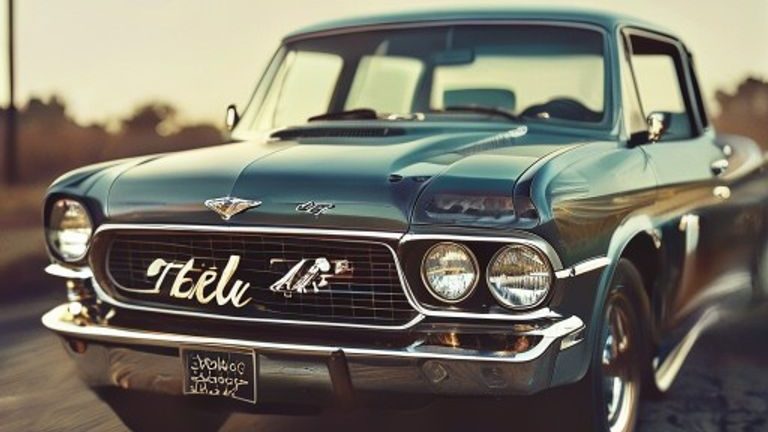
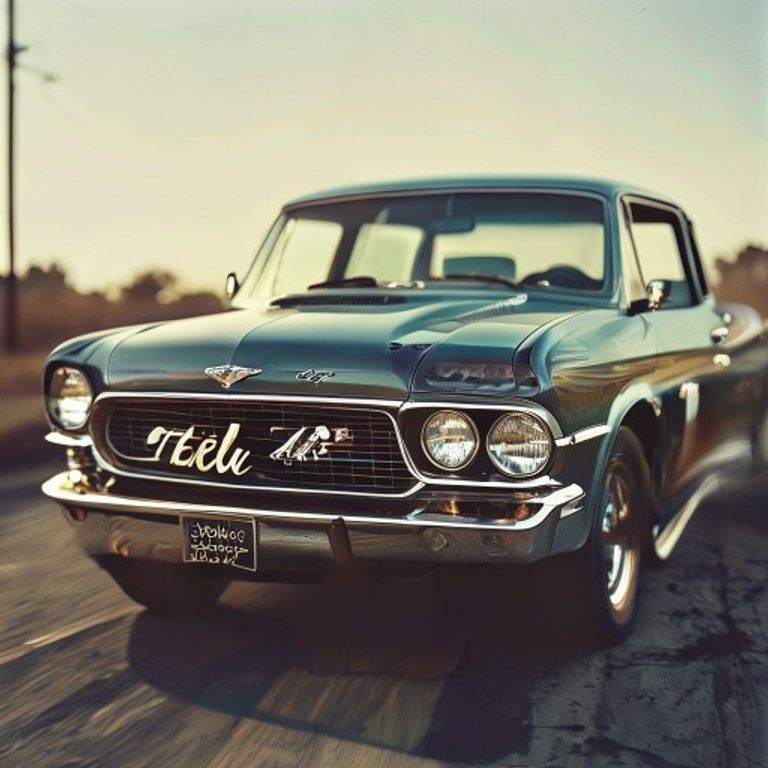
Bring a Trailer (BaT) has become a premier destination for enthusiasts seeking unique and often obscure classic vehicles, fostering a vibrant community eager to delve into automotive history. A recent listing for a 1966 Ford has once again highlighted the fascinating nuances of vintage car identification. While visually striking and undeniably sharing the iconic lines of a certain famous pony car, the listing correctly asserts that this particular 1966 Ford is not, in fact, a Mustang. It represents an ultra-rare variant specifically produced for the European market, where Ford’s beloved pony car carried a distinct and lesser-known designation: the T5.
The European Trademark Quandary: Why « T5 »?
The story behind the T5 designation is a captivating chapter in Ford’s early global expansion. When Ford prepared to launch its sensational pony car in Germany during the mid-1960s, they encountered an unexpected legal hurdle. The ‘Mustang’ name was already legally trademarked in Germany by the formidable industrial conglomerate Krupp, which used it for a range of trucks. Rather than engage in a costly and time-consuming legal battle, or forsake the burgeoning European market entirely, Ford’s strategists devised a clever workaround. They simply rebranded the vehicle. For German distribution, and subsequently for many other European countries, the car was officially marketed and badged as the ‘T5.’ This elegant alphanumeric solution allowed Ford to circumvent the trademark conflict, ensuring their global sensation could reach a wider international audience without legal impediment.
Subtle Distinctions: What Defines a T5?
From a mechanical standpoint, a 1966 Ford T5 is fundamentally identical to its American-market Mustang counterpart. It utilized the same chassis architecture, shared the full array of engine options – from the standard inline-sixes to the potent V8s – and featured largely the same interior and exterior styling cues. The true differentiation, however, lies in the specific details mandated by its European market destination and, crucially, its unique badging. These subtle yet significant differences are what make the T5 a distinct and sought-after variant for discerning collectors.
- Exclusive « T5 » Badging: The most unmistakable characteristic is the absence of any « Mustang » script. Instead, the fenders, and typically the trunk lid, proudly display unique « T5 » emblems.
- Metric Instrumentation: Many T5 models featured speedometers calibrated in kilometers per hour (kph) to comply with European road regulations, rather than miles per hour (mph).
- European Lighting Standards: Depending on the specific country of sale, T5s might have been fitted with unique headlamp units, amber turn signals, or side markers to meet diverse local homologation requirements.
- Unique Documentation: Original factory invoices, owner’s manuals, and service records for these vehicles consistently identify them by their « T5 » designation, offering verifiable proof of their heritage.
These distinctions, while not altering the core driving experience, are paramount for establishing authenticity and understanding the vehicle’s provenance in the collector market.
The Appeal of Ultra-Rarity and Authenticity
The description of this vehicle as an ‘ultra-rare variant’ is entirely accurate. Compared to the millions of Mustangs produced for the North American market, the production volume of T5s for Europe was considerably smaller, making genuine examples quite scarce. This limited availability, coupled with the intriguing historical narrative behind its existence, significantly enhances its appeal and value in the classic car community. Collectors are increasingly drawn to vehicles that possess a unique backstory, offering not just a beautiful machine but a tangible piece of automotive history. A T5 is more than just an alternative badge; it represents a specific market adaptation, a solution to a legal challenge, and a testament to Ford’s global ambitions. Its appearance on a platform like Bring a Trailer ensures it reaches a global audience of informed enthusiasts who understand and appreciate these critical differences, often leading to robust bidding and fostering deep dives into its verifiable authenticity.
Preserving History Through Accurate Identification
In the digital age, where classic cars are bought and sold globally, the importance of accurate identification cannot be overstated. Platforms like Bring a Trailer, with their transparent listings and active comment sections, serve as crucial forums for verifying a vehicle’s true identity and history. For both sellers and potential buyers, distinguishing a genuine factory T5 from a standard Mustang – or even a re-badged replica – is vital for ensuring integrity in transactions. It impacts value, originality claims, and ultimately, the preservation of automotive heritage. The 1966 Ford T5 currently listed offers a valuable lesson in looking beyond the familiar, underscoring how specific market adaptations can create compelling and distinct chapters in the story of an iconic automobile.
Conclusion: A Celebration of Automotive Nuance
The 1966 Ford T5 stands as a remarkable testament to the intricate tapestry of automotive history. While sharing the undeniable DNA of the legendary Mustang, its specific badging and European origins carve out a unique narrative. It serves as a potent reminder that even within the most iconic lineages, there exist rare, specialized variants with compelling backstories. For discerning enthusiasts and collectors, appreciating these subtle distinctions not only enriches the hobby but also deepens our understanding of the global challenges and ingenious solutions that shaped the automotive world.
Source : https://www.caranddriver.com/news/a71176208/1966-ford-t5-mustang-bring-a-trailer-auction/

