


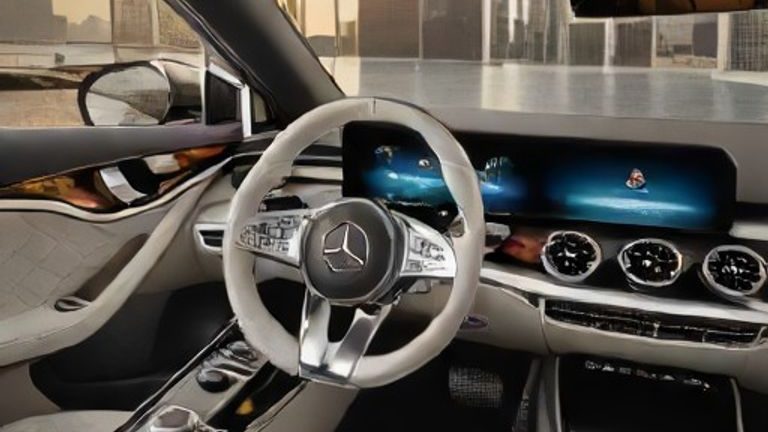
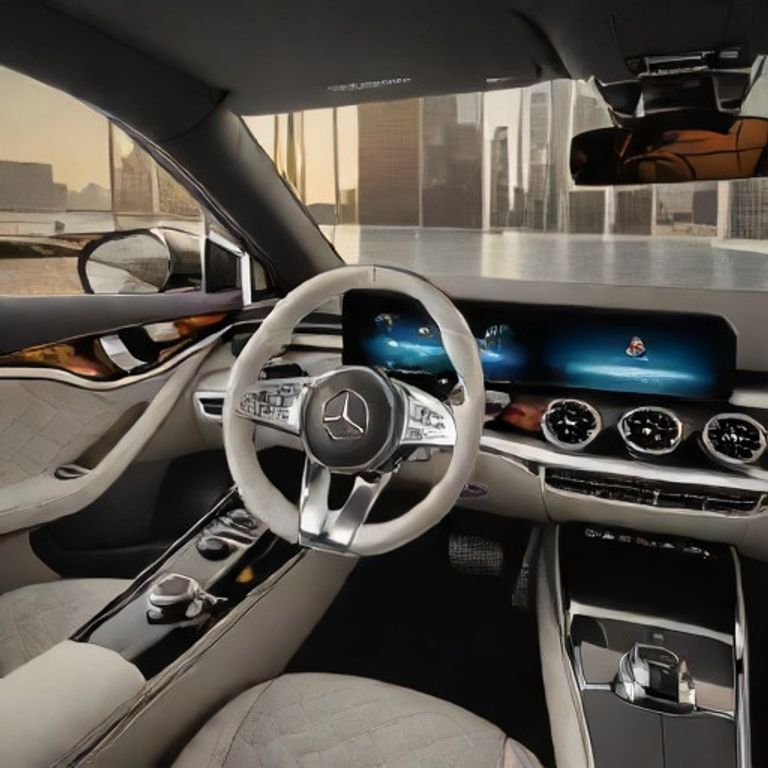
A Glimpse into the Future: The 2026 Mercedes-Benz EQS Redefines Driver Control
The automotive world is consistently pushing the boundaries of technology and design, and Mercedes-Benz, a brand synonymous with luxury and innovation, is once again at the forefront of this evolution. The highly anticipated 2026 Mercedes-Benz EQS is poised to introduce a groundbreaking shift in how drivers interact with their vehicles, becoming the first model from the prestigious brand to incorporate a revolutionary steer-by-wire system. This cutting-edge technology will be paired with an equally bold design choice: a steering yoke, a control interface that has, by its very nature, ignited considerable debate among enthusiasts and critics alike.
This move signifies Mercedes-Benz’s commitment to leading the charge into a future where traditional mechanical linkages give way to sophisticated electronic controls, promising enhanced precision, greater design flexibility, and deeper integration with advanced driver-assistance systems. The EQS, already a flagship in the brand’s electric vehicle lineup, is the ideal platform to debut such transformative features, solidifying its position not just as a luxury sedan, but as a vanguard of automotive engineering.
Unpacking Steer-by-Wire: The Technology Behind the Wheel
At the heart of the 2026 Mercedes-Benz EQS’s new control scheme is the steer-by-wire system. Unlike conventional vehicles that rely on a physical, mechanical connection between the steering wheel and the road wheels, a steer-by-wire system replaces this with entirely electronic signals. When the driver turns the steering wheel, sensors detect the input, and these signals are then transmitted to electric motors that precisely articulate the front wheels. This radical departure from tradition opens up a plethora of opportunities for innovation and optimization.
One of the primary advantages of steer-by-wire is the potential for highly customizable and precise steering feel. Without a mechanical column, engineers can fine-tune the steering ratio, feedback, and effort based on driving conditions, speed, or even driver preference. This means the car could offer a light, effortless feel for parking maneuvers and a heavier, more direct response at highway speeds. Furthermore, the absence of mechanical components can lead to reduced weight and complexity in the steering system, potentially freeing up valuable space in the engine bay or cabin. From a safety perspective, steer-by-wire can also facilitate more seamless integration with advanced driver-assistance systems, allowing for smoother and more accurate lane-keeping assistance and autonomous driving functions.
However, the implementation of such a critical system also presents unique challenges. Chief among these is ensuring absolute reliability and safety. Manufacturers typically address this with extensive redundancy, incorporating multiple processors and backup systems that can take over instantaneously if a primary component fails. The perception and trust of drivers are also vital; engineers must work to accurately simulate the tactile feedback and road feel that drivers are accustomed to, ensuring the experience remains natural and confidence-inspiring despite the lack of a direct mechanical link.
The Yoke: A Bold Design Choice with Divisive Reception
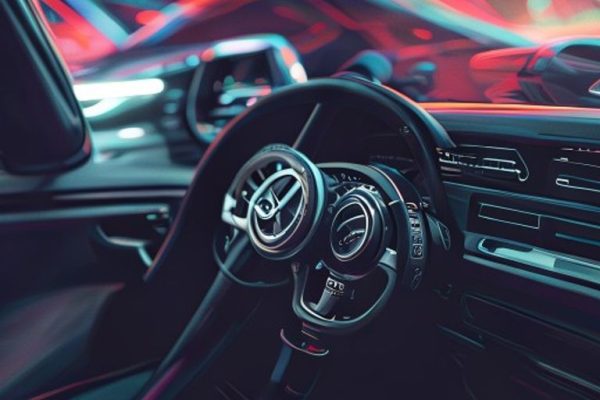
Complementing the steer-by-wire system in the 2026 Mercedes-Benz EQS is the adoption of a steering yoke. This isn’t a traditional circular steering wheel but rather a control interface often resembling an aircraft’s yoke, typically featuring a flattened top and bottom, or even a truncated rectangular shape. The rationale behind such a design often stems from a desire to offer an unobstructed view of the instrument cluster and the road ahead, aligning with a futuristic interior aesthetic that prioritizes digital displays and minimalist design.
While visually striking and undoubtedly modern, the yoke has garnered a reputation as "a steering wheel no one really likes," a sentiment that highlights a significant divergence between aesthetic appeal and practical usability for many drivers. The primary criticism often revolves around its ergonomics and functionality, particularly in situations requiring more than a quarter-turn of the wheel. Maneuvers like parking, making U-turns, or navigating tight city streets often necessitate ‘hand-over-hand’ steering, which becomes awkward and unnatural with a non-circular shape. Drivers find themselves fumbling to grip the limited rim, leading to a less intuitive and potentially less safe driving experience in critical moments.
Despite these drawbacks, the pairing of a yoke with a steer-by-wire system is often seen as an attempt to mitigate some of its inherent functional shortcomings. The variable steering ratios made possible by steer-by-wire mean that a driver might never need to turn the yoke more than a small amount from the center position, even for full-lock turns. If perfected, this could render the need for hand-over-hand steering obsolete, thereby nullifying the primary complaint against the yoke’s design. However, the success of this integration hinges entirely on the sophistication and responsiveness of the steer-by-wire system.
Synergy or Conflict? The Yoke and Steer-by-Wire Combination
The decision to pair the steer-by-wire system with a yoke in the 2026 Mercedes-Benz EQS is not coincidental; these two technologies are often envisioned as complementary. In an ideal scenario, the steer-by-wire system’s ability to offer drastically variable steering ratios means that even a small input on the yoke could translate into a significant turn of the wheels at low speeds, or a more subtle, precise input at high speeds. This could theoretically eliminate the need for drivers to ever rotate the yoke through a full 360 degrees, thus making the non-circular shape less problematic.
However, the practical implementation and driver adaptation remain crucial. While the technology promises to make the yoke more viable, the human element of muscle memory and intuitive control cannot be understated. Drivers have decades of experience with round steering wheels, and recalibrating that ingrained behavior for a new interface, especially one that has been met with skepticism in other applications, will be a significant challenge for Mercedes-Benz. The EQS will serve as a high-profile test case for whether the synergy between these advanced systems can truly overcome the traditional objections to the yoke design.
The EQS and Mercedes-Benz’s Vision for the Future
The 2026 Mercedes-Benz EQS’s adoption of a steer-by-wire system and a yoke is more than just a feature update; it’s a bold statement about the brand’s vision for the future of automotive luxury and technology. As a flagship electric vehicle, the EQS is the natural choice to debut such advancements, showcasing Mercedes-Benz’s intent to remain at the forefront of innovation. The move aligns with the broader industry trend towards greater electrification, automation, and digital integration, setting a precedent for what customers can expect from high-end vehicles in the coming years.
Mercedes-Benz has a long-standing history of introducing groundbreaking technologies, from anti-lock brakes to airbags, often setting new benchmarks for the industry. This latest development with the EQS continues that tradition, albeit with a focus on driver control and interior design. The luxury automaker is betting on its engineering prowess to deliver a seamless and premium experience, even as it ventures into new and sometimes controversial technological territory.
Conclusion: Navigating the Road Ahead
The 2026 Mercedes-Benz EQS stands ready to usher in a new era of driving with its pioneering steer-by-wire system and distinctive yoke. This combination represents a significant leap forward in automotive control, offering the promise of enhanced precision, design flexibility, and deeper integration with future autonomous driving capabilities. While the steer-by-wire technology holds immense potential for refining the driving experience, the accompanying yoke presents a more divisive element, known for its challenging ergonomics despite its futuristic appeal.
As the first model from the brand to offer this complete system, the EQS will be under intense scrutiny. Mercedes-Benz’s ability to successfully integrate these innovations and overcome the existing reservations about the yoke’s practicality will be a testament to its engineering expertise and its understanding of the luxury consumer. The automotive landscape is continuously evolving, and with the 2026 EQS, Mercedes-Benz is not just participating in that evolution, but actively steering its course, promising a future that is both technologically advanced and undeniably distinct.
Source : https://www.caranddriver.com/news/a64551331/mercedes-steer-by-wire-system-2026/