

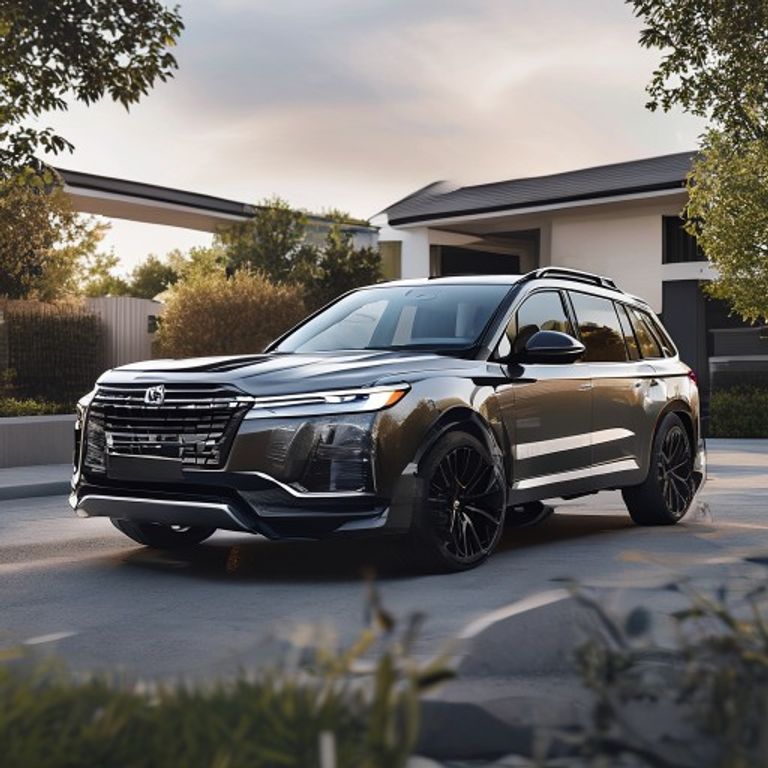
The automotive landscape is constantly evolving, with manufacturers striving to carve out niches and offer compelling propositions to diverse consumer needs. In this context, the 2026 Mitsubishi Outlander SEL steps into the spotlight, presenting itself as a vehicle with a distinctive feature that sets it apart in a crowded segment. Our assessment of this model, as indicated by its « Rogue-Like » descriptor, centers on understanding its place within the competitive compact SUV market, especially considering its stated unique selling point. This test drive perspective delves into what the Outlander SEL offers, particularly focusing on its practicality and overall value proposition for prospective buyers.
The Outlander’s Defining Feature: The Third Row
Perhaps the most significant aspect highlighted in the initial evaluation of the 2026 Mitsubishi Outlander SEL is the inclusion of its third-row seating. This feature is not merely an optional extra but a strategic design choice that positions the Outlander uniquely. Specifically, it is identified as a rare offering among unelectrified compact SUVs that fall outside the luxury segment. This distinction is crucial, as it immediately identifies a specific demographic for whom the Outlander could be an ideal fit: families or individuals who occasionally need to transport more than five passengers but are not seeking a larger, more fuel-intensive mid-size SUV or a premium-badged vehicle.
The presence of a third row in a compact SUV inevitably entails certain design and engineering considerations. While it provides invaluable flexibility for unexpected passenger needs, such as carpooling for school events or short trips with extended family, it typically means the third row itself is best suited for smaller occupants or occasional use. The utility of having this capacity, even if not frequently utilized, offers a significant peace of mind for buyers who might otherwise have to consider a larger vehicle. This unique selling proposition underscores Mitsubishi’s intent to cater to a specific segment of the market that values versatility and passenger capacity in a relatively compact footprint.
Evaluating the Experience Beyond the Extra Seats
Beyond its defining third-row capability, the 2026 Mitsubishi Outlander SEL must also stand on its own merits as a compact SUV. The descriptor « Rogue-Like » in its title suggests a vehicle that aligns with the common characteristics and expectations of this popular segment. This typically means a focus on practicality, a comfortable ride suitable for daily commuting and longer journeys, and adequate power delivery for a range of driving scenarios. Buyers in this segment generally prioritize reliability, fuel efficiency, and a comfortable cabin experience.
However, the initial assessment also posits a critical caveat: « But if you don’t need that, there are better choices. » This statement invites a deeper exploration into the potential trade-offs inherent in designing a compact SUV with a third row. When a vehicle’s primary differentiator is an additional seating row, it often means that other aspects might not be as comprehensively optimized as they would be in a two-row counterpart. For instance, without the need to package extra seats, other compact SUVs might offer:
- More expansive and easily accessible cargo volume when all seats are in use for a five-passenger setup.
- Potentially more generous second-row legroom and shoulder room, as space isn’t allocated for rear-most passengers.
- A greater focus on interior material refinement or advanced technological features as standard, as design resources aren’t solely dedicated to maximizing passenger count.
- A more finely tuned driving dynamic, potentially offering a more engaging or refined ride quality, unburdened by the structural requirements of a third row.
These potential advantages in dedicated two-row compact SUVs highlight why, for buyers whose needs strictly remain within a five-passenger capacity, other options might present a more compelling overall package. These alternatives could excel in areas such as dedicated cargo space, specific luxury touches, or driving engagement, as they are not constrained by the same multi-passenger utility goals.
Interior and Technology Considerations
Stepping inside the 2026 Mitsubishi Outlander SEL, one expects an interior that balances functionality with contemporary aesthetics, typical of its segment. The design likely prioritizes user-friendliness and durability, catering to the demands of daily family life. Materials and finishes, while practical, might not always aspire to segment-leading luxury, especially when the core value proposition is passenger capacity rather than opulent appointments. Ergonomics for the driver and front passenger are typically well-considered, with controls placed intuitively for ease of access.
In terms of technology, modern compact SUVs are expected to offer a comprehensive suite of features. This usually includes a robust infotainment system with connectivity options such as smartphone integration, along with a range of driver-assistance systems designed to enhance safety and convenience. The Outlander SEL, being a top-tier trim, would naturally include many of these amenities. However, if the primary investment in its design and engineering goes towards accommodating the third row, then the overall breadth or sophistication of infotainment or driver-assist features might be competitive rather than groundbreaking when compared to rivals that focus their development resources elsewhere.
Driving Dynamics and Performance
During the « test » of the 2026 Mitsubishi Outlander SEL, the driving experience would likely reveal characteristics consistent with its classification as a compact SUV designed for family utility. The ride quality is expected to be comfortable, adept at absorbing road imperfections and providing a generally smooth journey, which is paramount for passenger comfort across all rows. Power delivery would typically be adequate for everyday driving, including highway merging and city maneuvers, without necessarily aiming for segment-topping acceleration or sporty handling. Fuel efficiency would also be a significant consideration, aligning with the expectations of compact SUV buyers.
The implications of its unique third-row seating can subtly influence the vehicle’s driving dynamics. While Mitsubishi engineers would undoubtedly strive for a balanced setup, the structure required to support extra passengers, even when folded, and the potential for a heavier overall vehicle can influence suspension tuning and overall agility. For drivers prioritizing a more dynamic or athletic feel, or those who frequently navigate tight urban environments, the engineering choices driven by the need for seven-passenger capacity might result in a different driving character compared to a two-row alternative that optimizes for a distinct driving feel.
Conclusion: Who is the 2026 Outlander SEL For?
The 2026 Mitsubishi Outlander SEL ultimately stands out as a highly specialized offering within the compact SUV segment. Its core appeal lies squarely in its unique third-row seating, a feature that remains rare among unelectrified, non-luxury compact SUVs. For buyers who find themselves in the specific scenario of needing occasional seven-passenger capacity within a compact, efficient, and mainstream package, the Outlander SEL presents a compelling, perhaps even singular, solution.
However, the critical evaluation remains: for those without that precise requirement, the market is rich with alternative choices. These « better choices » for a strict five-seater buyer would likely be vehicles that capitalize on their two-row configuration by offering more expansive dedicated cargo areas, potentially more refined interiors, a greater suite of standard technology, or a more engaging driving experience, all optimized without the design compromises inherent in accommodating a third row. The Outlander SEL thus shines brightest for its intended audience, providing a practical answer to a specific family transportation need, while acknowledging that its unique strength might not universally translate into the absolute best option for every compact SUV shopper.
Source : https://www.caranddriver.com/reviews/a70921915/2026-mitsubishi-outlander-sel-test/