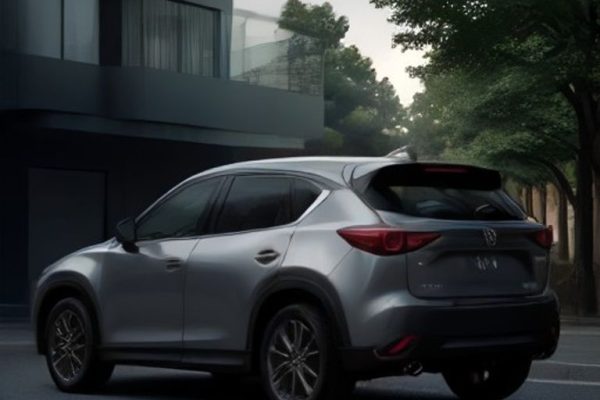


While the calendar has yet to turn to 2026, the prospect of a renewed rivalry in the compact sedan segment already sparks keen interest. Two long-standing contenders, the Nissan Sentra and the Volkswagen Jetta, are poised to potentially face off with their respective 2026 models, represented here by their anticipated top-tier trims: the Sentra SL and the Jetta SEL. This hypothetical showdown invites us to consider how these stalwarts might evolve and what each brand is likely to bring to the table in a fiercely competitive market, building on their current legacies and segment philosophies.
The Enduring Appeal of the Compact Sedan Segment
Despite the growing popularity of SUVs, the compact sedan continues to be a cornerstone of the automotive industry, offering an attractive blend of affordability, fuel efficiency, practicality, and comfort. These vehicles serve as vital entry points for many new car buyers and remain a popular choice for commuters and small families alike. For decades, both Nissan and Volkswagen have championed this segment, consistently refining their offerings to meet evolving consumer demands. The potential 2026 models, should they follow current trends, would undoubtedly continue this tradition of providing compelling value and choice.
Nissan Sentra: A Legacy of Evolution and Value
The Nissan Sentra has historically been a strong contender in the compact sedan space, renowned for its focus on practicality, comfort, and value. In recent generations, Nissan has progressively elevated the Sentra’s design, interior quality, and standard technology, moving it beyond a purely utilitarian offering to one that blends everyday usability with modern appeal. While specific details for a 2026 model are still speculative, should the Sentra receive a significant refresh or overhaul, it would likely continue this trajectory of refinement.
A hypothetical 2026 Sentra SL would be expected to build upon the current model’s strengths, offering a premium experience within the compact class. This could translate to an even more refined interior with upscale materials, advanced infotainment systems, and a comprehensive suite of safety and driver-assist technologies. Nissan’s Safety Shield 360, which includes features like automatic emergency braking and blind-spot warning, is a staple of their current lineup and would undoubtedly be a key highlight. Furthermore, if a future Sentra were to benefit from powertrain enhancements, it could further sharpen its competitive edge in terms of both performance and efficiency, appealing to drivers looking for a well-rounded and reliable daily driver with a touch of sophistication.
Volkswagen Jetta: Composed Dynamics and European Pedigree
In contrast, the Volkswagen Jetta has long been recognized for its distinctly European driving dynamics, a characteristic that often sets it apart from its Japanese counterparts. The prompt describes the Jetta as “staid, composed,” and this perfectly encapsulates its traditional approach: a focus on solid build quality, a comfortable and predictable ride, and an understated elegance that prioritizes function and refinement. For drivers who appreciate a no-nonsense, confident feel on the road without excessive flash, the Jetta has consistently delivered.
The Jetta’s SEL trim typically represents the pinnacle of its offerings, combining comfortable amenities with practical technology. A potential 2026 Jetta SEL would likely continue this tradition, featuring a well-appointed cabin, intuitive controls, and a smooth, capable powertrain – perhaps a refined version of its current turbocharged engine, known for its accessible torque and fuel efficiency. Volkswagen’s commitment to user-friendly infotainment and digital cockpits would also be expected to evolve, providing a seamless and modern user experience. The Jetta’s strength lies in its ability to provide a mature, confidence-inspiring driving experience that feels substantial and well-engineered, a quality that many compact sedan buyers continue to seek.
Anticipated Showdown Points: What to Expect
If the 2026 Nissan Sentra SL and Volkswagen Jetta SEL were to meet, the comparison points would likely revolve around several key areas:
- Driving Dynamics: The Sentra would likely emphasize a comfortable, compliant ride optimized for daily commuting, while the Jetta would lean into its composed, stable handling, offering a more connected feel to the road characteristic of European engineering.
- Interior Ambiance and Technology: Both top trims would aim for upscale interiors. The Sentra SL could focus on modern design cues and intuitive tech, possibly with robust standard safety features. The Jetta SEL might highlight its ergonomic layout, sturdy build, and refined digital interfaces.
- Performance and Efficiency: While specific powertrains are unknown, the Sentra could continue to offer a reliable, efficient naturally aspirated engine, possibly with mild-hybrid enhancements. The Jetta might retain its turbocharged advantage, providing zippy acceleration paired with commendable fuel economy.
- Design Philosophy: Nissan’s Sentra has embraced a more expressive, V-motion grille design language, offering a visually striking presence. The Jetta typically maintains a cleaner, more conservative aesthetic that often ages gracefully and appeals to those seeking understated sophistication.
- Value Proposition: Both brands compete fiercely on value. The Sentra might excel in offering a comprehensive feature set for its price point, while the Jetta’s value could be underscored by its perceived build quality and driving refinement.
Conclusion
The compact sedan segment is a dynamic battleground, and the potential 2026 showdown between the Nissan Sentra SL and the Volkswagen Jetta SEL promises to be an intriguing one. Without inventing specific details for these future models, we can anticipate a continuation of their brands’ core philosophies. The Sentra, likely building on recent design and tech advancements, would aim to deliver a modern, feature-rich experience. The Jetta, holding true to its roots, would probably offer a refined, composed, and well-engineered ride. As 2026 approaches, enthusiasts and buyers alike will eagerly await the official revelations to see how these two mainstays plan to capture the hearts and driveways of the compact sedan market.