

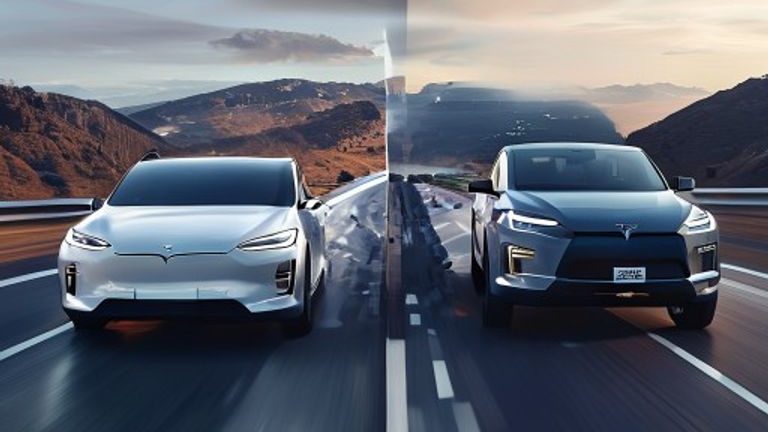
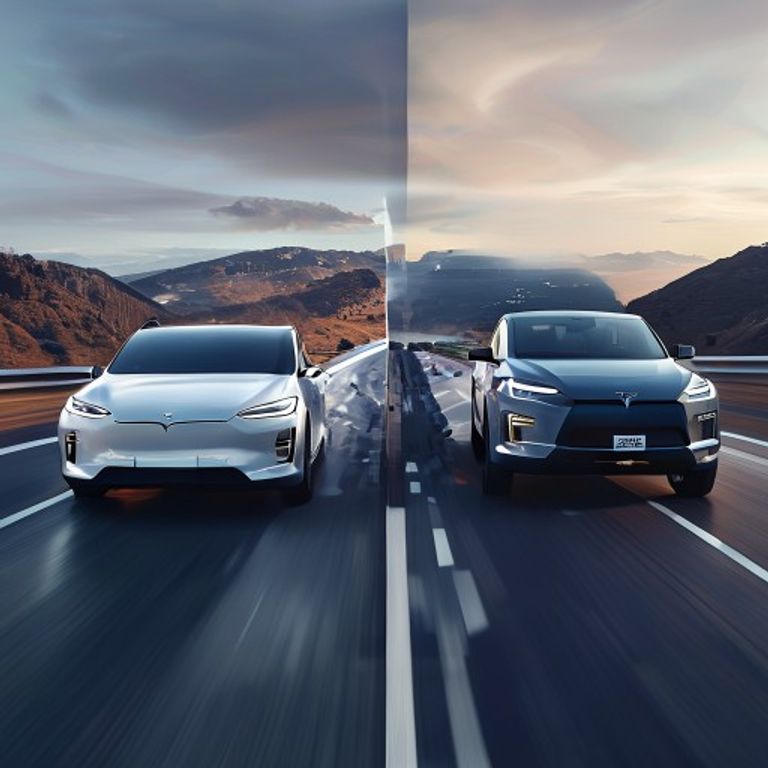
As the automotive industry accelerates its charge towards an electric future, speculation intensifies around upcoming models poised to redefine their respective segments. Among the most anticipated showdowns is the hypothetical clash between the 2026 Tesla Model Y and a potentially refreshed and renamed 2026 Toyota bZ electric SUV. The fundamental question posed is clear: Can Toyota’s invigorated challenger truly threaten the global superstar status of Tesla’s similarly improved Model Y? While specific details for these 2026 iterations remain firmly under wraps, a comprehensive analysis of current brand trajectories, market trends, and typical comparison criteria allows us to anticipate the dimensions of this crucial contest without inventing unconfirmed information.
Tesla Model Y: The Evolving Benchmark
The Tesla Model Y has, since its introduction, cemented its position as a dominant force in the electric SUV market. Its compelling blend of strong performance, a notably spacious interior, cutting-edge technology, and unparalleled access to the industry-leading Supercharger network has propelled it to bestseller status across multiple continents. For its 2026 iteration, while no radical redesign has been publicly confirmed, Tesla is renowned for continuous, iterative improvements. Buyers can reasonably expect refinements in manufacturing quality, subtle aerodynamic tweaks aimed at enhancing efficiency, potential upgrades to battery chemistry for extended range or faster charging capabilities, and, crucially, ongoing advancements in its Autopilot and FSD (Full Self-Driving) software suite.
Tesla’s strategic approach often prioritizes software-defined vehicles and consistent over-the-air updates, ensuring that even a model a few years old can receive new features and performance enhancements. The 2026 Model Y is likely to consolidate these inherent strengths, maintaining its competitive edge through relentless optimization rather than revolutionary changes. This strategy aims to preserve its core appeal while thoughtfully addressing market feedback and evolving consumer expectations, ensuring it remains a formidable presence.
Toyota bZ: A Renewed Electric Offensive
Toyota, a long-standing pioneer in hybridization, embarked on its dedicated battery electric vehicle (BEV) journey with the bZ4X. While the initial reception for the bZ4X was somewhat mixed, particularly concerning its range and charging performance when directly compared to some rivals, Toyota’s unwavering commitment to its ‘bZ’ (Beyond Zero) sub-brand is undeniable. The mention of a ‘refreshed and renamed’ 2026 Toyota bZ SUV strongly suggests a significant evolution, potentially addressing earlier criticisms head-on and showcasing a more refined product.
Industry observers widely anticipate that Toyota will leverage its vast engineering resources, extensive manufacturing prowess, and deep understanding of consumer needs to deliver a far more competitive electric vehicle. This could manifest as substantial improvements in battery density, efficiency, and thermal management, leading to significantly greater real-world range and faster, more consistent charging speeds. Furthermore, Toyota is expected to refine the user experience with more intuitive infotainment systems, elevated interior material quality, and more robust advanced driver-assistance systems that integrate seamlessly. The company’s legendary reputation for reliability and build quality, which underpins its internal combustion and hybrid offerings, will be a critical asset as it seeks to carve out a larger share of the burgeoning EV market with a truly compelling bZ model that resonates with a wider audience.
Dissecting the Comparison: Key Battlegrounds
When these two automotive titans eventually face off in a comprehensive comparison test, several critical metrics will determine their respective merits and appeal to different segments of buyers. A hypothetical 2026 matchup would likely scrutinize the following key areas:
- Performance and Efficiency: Beyond raw acceleration figures, the overall driving dynamics, handling characteristics, and energy consumption under various real-world conditions will be crucial. Tesla typically excels here, but a future bZ model could aim for a more balanced or comfort-oriented approach.
- Range and Charging Ecosystem: Real-world driving range remains a top priority for EV buyers. Crucially, the speed, reliability, and accessibility of charging – whether through Tesla’s now more open Supercharger network or the broader public charging infrastructure (CCS/NACS for Toyota) – will heavily influence daily practicality.
- Interior Design, Comfort, and Technology: The user interface, infotainment responsiveness, material quality, ergonomic design, and seamless integration of smart features and connectivity will be thoroughly weighed. Tesla’s minimalist cabins contrast with Toyota’s often more conventional, yet increasingly digital, approaches.
- Practicality and Utility: Cargo space, passenger comfort across both rows, ease of ingress/egress, and overall utility for families or individuals will be key considerations for these SUV contenders, reflecting their primary use cases.
- Safety Features and Driver Assistance Systems: The sophistication, reliability, and ease of use of advanced driver-assistance systems (ADAS) will be thoroughly tested. Both brands are pioneers in this space, though often with different philosophical approaches to autonomy and assistance.
- Price, Value, and Ownership Costs: The initial purchase price, potential government incentives, insurance costs, long-term maintenance, and anticipated resale value will collectively define the overall value proposition for discerning consumers over the vehicle’s lifespan.
The Evolving EV Landscape and The Winner’s Crown
The EV market in 2026 will undoubtedly be far more competitive than it is today, populated by a wider array of compelling options from both established automakers and agile newcomers. This increasing competition inherently ensures that consumers stand to benefit immensely from innovation and choice. The battle between the 2026 Model Y and Toyota’s refreshed bZ will not simply be a matter of raw specifications; it will be a nuanced evaluation of what each brand prioritizes and how effectively it executes its vision. Tesla’s enduring strength lies in its integrated ecosystem, software prowess, and performance focus, while Toyota’s potential triumph could stem from its legacy of unparalleled quality, robust reliability, and a potentially more conventional, yet highly refined, user experience.
Declaring a definitive ‘winner’ in such a comparison before either vehicle has been officially revealed or subjected to rigorous, real-world testing is, of course, premature and speculative. The ‘winner’ will ultimately depend significantly on individual buyer priorities: those prioritizing bleeding-edge tech, a strong performance bias, and an integrated digital experience might inherently lean towards Tesla, while those seeking traditional build quality, robust reliability, and a potentially more conventional yet highly refined driving experience might find the 2026 Toyota bZ more appealing. The intensified competition promises to drive significant innovation across the entire automotive landscape.
Conclusion: A Future Shaped by Competition
The impending comparison test between the 2026 Tesla Model Y and the invigorated Toyota bZ SUV represents more than just a battle between two vehicles; it symbolizes the broader clash of automotive philosophies in the rapidly evolving electric age. Tesla aims to maintain its commanding lead through constant evolution and digital integration, while Toyota seeks to establish a formidable, enduring presence by fusing its foundational strengths with cutting-edge EV technology. Automotive enthusiasts and potential buyers alike will eagerly await the official revelations and subsequent real-world evaluations of these two pivotal electric SUVs, as their contest promises to significantly shape the trajectory of the global EV market for years to come.