


2027 Mercedes-Benz C-Class EV: A Strategic Shift Towards Integrated Electric Luxury
The automotive landscape is in constant flux, and few brands navigate its shifts with the gravitas of Mercedes-Benz. The announcement surrounding the forthcoming 2027 Mercedes-Benz C-Class EV signals not merely the introduction of another electric vehicle, but a profound strategic evolution for the venerable German marque. Early indications suggest this latest electric sedan is poised to redefine expectations, proving “way easier to like than its earlier efforts.” This subtle yet impactful assessment, coupled with the intriguing question, "EQ Who?", hints at a mature, confident stride into an electrified future where electric mobility seamlessly integrates into the core identity of Mercedes-Benz.
The Evolution of Mercedes-Benz’s Electric Strategy
For years, Mercedes-Benz spearheaded its electric offensive through its dedicated ‘EQ’ sub-brand. Models like the EQC, EQS, and EQE were conceived to stand apart, signifying a distinct electric future with unique designs and a dedicated technological platform. This strategy allowed the brand to experiment, innovate, and establish a clear electric identity separate from its traditional internal combustion engine (ICE) offerings. The ‘EQ’ branding served to educate consumers about the nascent electric era, highlighting the advanced technology and sustainable luxury inherent in these vehicles. It was a necessary step in an emerging market, creating a distinct space for electric innovation.
However, as the market matures and consumer acceptance of electric vehicles grows, the need for such stark differentiation diminishes. The very question "EQ Who?" accompanying the 2027 C-Class EV’s early impressions speaks volumes. It suggests a pivot away from a segregated electric identity towards an integrated one, where electric powertrains are simply another, albeit advanced, option within the established Mercedes-Benz family. This shift acknowledges that electric vehicles are no longer a niche curiosity but a mainstream reality, demanding the same level of brand familiarity and luxury refinement as their gasoline-powered counterparts.
The C-Class EV: A New Paradigm of Electric Integration
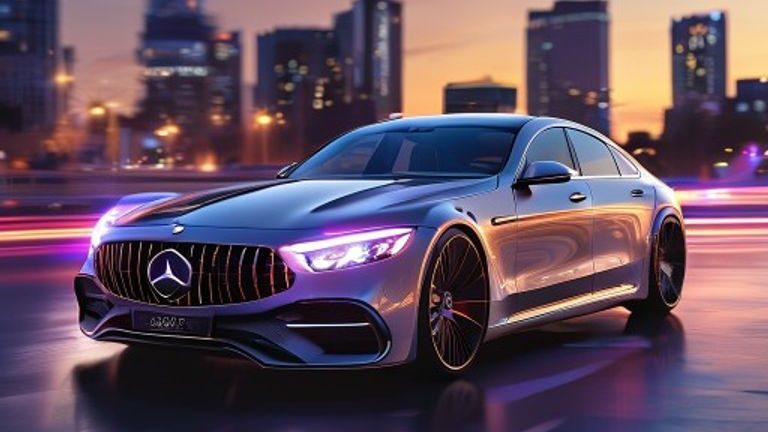
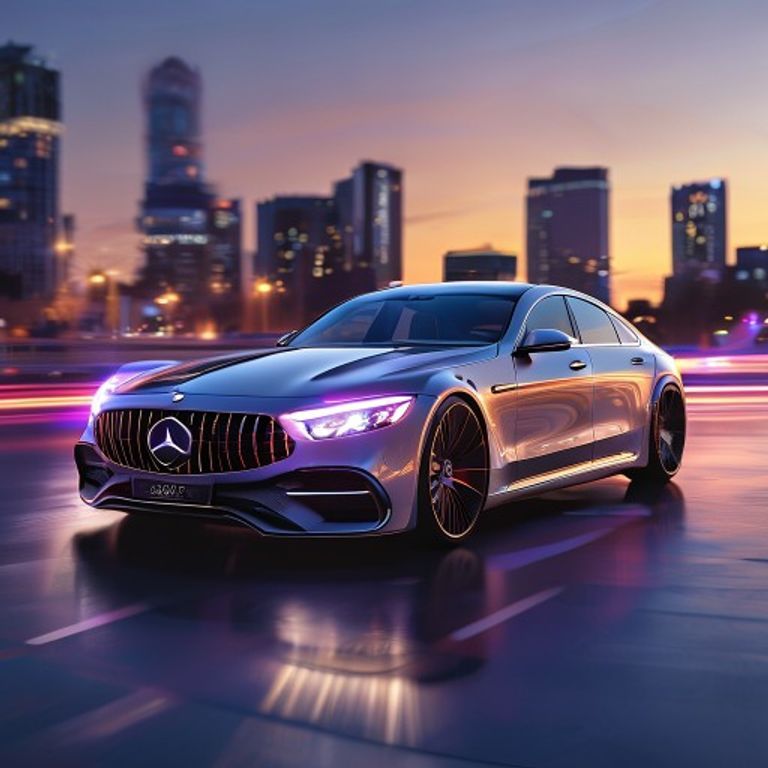
The C-Class nameplate itself carries immense historical significance for Mercedes-Benz. As one of the brand’s best-selling and most recognizable models globally, it embodies the essence of accessible luxury, performance, and sophistication. Introducing an electric variant under the C-Class banner, rather than a separate ‘EQC’ designation, represents a bold statement. It signifies Mercedes-Benz’s intent to imbue its electric vehicles with the same core values and characteristics that have made its traditional models so beloved. The 2027 C-Class EV is not just an electric car; it is, first and foremost, a Mercedes-Benz C-Class, now with an electric heart.
This integration promises to bridge the gap for consumers who appreciate the enduring appeal of the C-Class’s design, driving dynamics, and interior comfort but are also ready to embrace electric propulsion. The "easier to like" sentiment likely stems from this confluence of familiar luxury and advanced, refined electric technology. It implies a vehicle that doesn’t ask its driver to compromise on the quintessential Mercedes-Benz experience in exchange for zero emissions, but rather enhances it.
Beyond the "EQ" Identity: What "Easier to Like" Truly Implies
The qualitative leap described as "way easier to like" is perhaps the most compelling insight into the 2027 C-Class EV. This phrase goes beyond mere technical specifications and delves into the holistic user experience. It suggests that Mercedes-Benz has absorbed valuable lessons from its initial ventures into the EV market, refining its approach to meet and exceed evolving consumer expectations. Without inventing specific features, we can infer several key areas of improvement that contribute to this enhanced likability:
- Seamless Integration: The electric powertrain is likely to feel more integrated into the vehicle’s architecture and user experience, rather than feeling like a distinct, perhaps novel, component. This translates to intuitive controls and a cohesive driving feel.
- Refined Driving Dynamics: Mercedes-Benz’s engineers have likely focused on tuning the C-Class EV to deliver a driving experience that epitomizes the brand’s balance of comfort, agility, and precise handling, all while leveraging the inherent advantages of electric torque and a low center of gravity.
- Design Language Cohesion: The aesthetic appeal is expected to strike a harmonious balance between futuristic elements and the classic, elegant lines synonymous with the C-Class, making it instantly recognizable and appealing to a broader audience.
- Intuitive Technology: User interfaces and in-car technology are probably designed for ultimate ease of use, minimizing the learning curve often associated with new electric platforms and ensuring a frictionless interaction for the driver and passengers.
- Comprehensive Luxury Experience: The emphasis will likely be on delivering the full luxury package—superior materials, impeccable craftsmanship, and advanced comfort features—without the EV aspect feeling like a primary differentiator but rather an advanced powertrain option.
- Addressing Past Perceptions: This ‘likability’ suggests a concerted effort to mitigate any past reservations or challenges perceived with earlier electric models, whether related to range perception, charging convenience, or overall operational simplicity.
The shift away from a prominent ‘EQ’ identifier to a core model name like C-Class underscores a new confidence. It means that the electric variant is so thoroughly Mercedes-Benz, so inherently appealing, that it needs no special badge to differentiate itself as an EV. It stands on its own merits as a superior luxury vehicle that happens to be electric.
The Road Ahead for Mercedes-Benz
The 2027 C-Class EV marks a significant inflection point for Mercedes-Benz. It symbolizes a maturation of its electric vehicle strategy, moving from an era of dedicated electric sub-brands to one of seamless integration. This approach not only streamlines the brand’s portfolio but also reinforces the message that the future of luxury mobility is inherently electric, without needing to reinvent the entire brand identity around it. By making its electric sedans "easier to like," Mercedes-Benz is not just introducing a new car; it’s refining the very definition of modern luxury in the electric age.
Ultimately, the 2027 Mercedes-Benz C-Class EV is poised to be more than just an automotive update; it’s a statement of intent. It is Mercedes-Benz affirming that its future is electric, and that this electric future will be as familiar, desirable, and undeniably luxurious as its storied past.
Source : https://www.caranddriver.com/reviews/a73196655/2027-mercedes-benz-c400-ev-drive/