

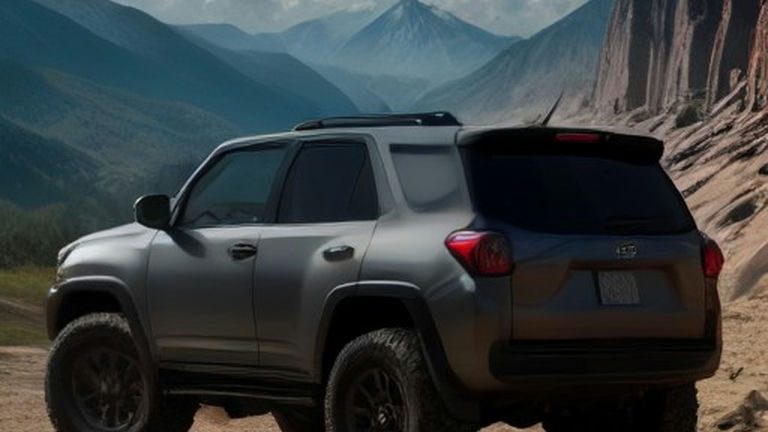

A New Price Plateau for an Off-Road Icon
The venerable Toyota 4Runner, a long-standing fixture in the rugged SUV segment, is set to reach a significant pricing milestone with its 2027 model year. For the first time in its storied history, the starting manufacturer’s suggested retail price (MSRP) for a Toyota 4Runner will exceed $45,000. This represents a notable shift in the vehicle’s market positioning and reflects broader trends impacting the automotive industry.
Across-the-Board Increases: The Steepest Climb for the SR5
According to initial reports, every trim level of the 2027 4Runner will see a price increase compared to its 2026 counterpart. While specific figures for all trims are yet to be fully detailed, the most substantial hike has been confirmed for the base-level SR5 trim. Buyers eyeing the entry-point into the 4Runner lineup will now face a $1,220 increase, making it the steepest individual price adjustment within the model range. This move underscores a comprehensive reevaluation of the 4Runner’s pricing strategy across its entire spectrum, from its most accessible variant to its more equipped offerings.
Understanding the Context: Factors Influencing Automotive Pricing
The decision to raise prices for a new model year, especially one as significant as crossing a $45,000 threshold, is rarely isolated. A confluence of factors typically contributes to such adjustments in the automotive sector. These can include, but are not limited to:
- Inflationary Pressures: Persistent global inflation affects the cost of raw materials, energy, and transportation, directly impacting vehicle production expenses. Components such as steel, aluminum, copper, and critical semiconductors have all seen price volatility in recent years.
- Supply Chain Dynamics: Ongoing challenges within the global supply chain can lead to increased costs for parts and components, as manufacturers contend with logistical bottlenecks, labor shortages, and unexpected disruptions.
- Research and Development Costs: Investing in evolving safety standards, advanced driver-assistance systems, enhanced connectivity features, and improvements in powertrain efficiency or environmental compliance all incur substantial R&D expenses that are eventually factored into vehicle pricing.
- Manufacturing and Labor Costs: Rising labor costs, facility upgrades, and the complexities of modern automotive manufacturing processes also contribute to the overall expenditure of producing each vehicle.
- Market Demand and Brand Positioning: For a vehicle with the 4Runner’s established reputation for reliability, durability, and off-road capability, strong consistent demand can also influence pricing. Toyota may be adjusting prices to reflect the 4Runner’s perceived value and its unique position in a segment where fewer true body-on-frame SUVs remain.
While the exact reasons behind Toyota’s specific pricing decisions for the 2027 4Runner are multifaceted, these general industry trends provide a framework for understanding the upward trajectory of vehicle costs.
The 4Runner’s Enduring Appeal and Market Niche
For decades, the Toyota 4Runner has cultivated a loyal following, celebrated for its rugged construction, legendary reliability, and impressive off-road prowess. It stands as one of the few remaining body-on-frame SUVs, a design choice that appeals directly to enthusiasts seeking genuine durability and customization potential. This enduring appeal has allowed the 4Runner to maintain strong resale values and a consistent presence in the market, even as many competitors have shifted towards more car-like unibody constructions.
Crossing the $45,000 mark signifies a maturation in the 4Runner’s market identity. While it retains its core rugged ethos, this new pricing structure positions it firmly within a premium segment of the SUV market. Buyers in this price bracket typically expect a blend of capability, comfort, and advanced features. The 4Runner’s heritage often serves as a compelling selling point, with many consumers viewing it as a long-term investment due to its reputation for longevity and minimal depreciation.
Implications for Consumers and the Competitive Landscape
For prospective buyers, the 2027 Toyota 4Runner’s new starting price will undoubtedly influence purchasing decisions. A base price exceeding $45,000 means that higher trim levels, which often include more advanced technology, luxury appointments, or specialized off-road hardware, will push well into the upper $40,000s and potentially beyond $50,000. This could prompt consumers to carefully evaluate their budget and priorities, potentially comparing the 4Runner more closely with other vehicles that might have previously seemed out of its direct competitive sphere due to price.
The $1,220 increase for the SR5, being the steepest, is particularly impactful as it affects the most accessible variant. This adjustment means that the barrier to entry for a new 4Runner has been raised more significantly at the base level than at higher, already more expensive trims. Customers considering an SR5 will now need to account for this more substantial upfront cost, which could affect financing options or overall affordability for some.
In the broader SUV market, this pricing adjustment could subtly shift the 4Runner’s competitive positioning. While it retains its unique character, its elevated price point puts it in closer proximity to a wider array of options, from similarly rugged alternatives to more luxuriously appointed SUVs. However, the 4Runner’s strong brand loyalty and specific niche appeal often mean that its dedicated buyers are willing to pay a premium for its unique blend of attributes.
Looking Ahead: The Evolving Value Proposition
The 2027 Toyota 4Runner’s journey past the $45,000 starting price marks a new chapter for this iconic vehicle. It reflects not only the economic realities of modern automotive manufacturing but also Toyota’s strategic assessment of the 4Runner’s value in a dynamic market. As vehicle prices continue to trend upward across the industry, the emphasis for consumers increasingly falls on the overall value proposition—what features, capabilities, and long-term ownership benefits are being offered for the investment. For the 4Runner, its proven track record and specific appeal to a dedicated segment of buyers will be key to sustaining its market presence at this new price plateau.
Source : https://www.caranddriver.com/news/a74534163/2027-toyota-4runner-price-hike/