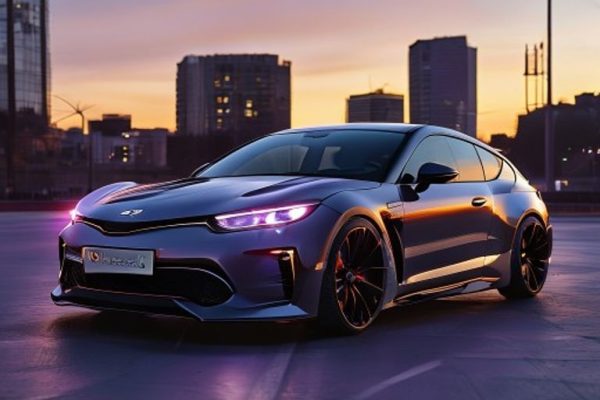


Buick Reportedly Eyes Potential Return to Sedan Market in the United States
Buick, a brand once synonymous with comfortable and elegant sedans, is reportedly considering re-entering the sedan segment in the United States. This marks a potentially significant shift for an automaker that has largely transitioned its domestic lineup to utility vehicles. The last sedan to grace Buick showrooms in the U.S. was the Regal, which concluded its run after the 2020 model year, leaving a notable void for traditional car enthusiasts and signaling the brand’s full commitment to crossovers and SUVs.
This intriguing rumor rekindles discussions about Buick’s rich heritage and its strategic direction in an ever-evolving automotive market. In a landscape dominated by utility vehicles, a return to the four-door passenger car segment would represent a bold move, challenging prevailing market trends while potentially carving out a unique niche for the premium brand.
A Storied History with the Sedan
For decades, Buick’s identity was deeply intertwined with the sedan. The marque was renowned for producing comfortable, spacious, and often elegantly styled four-door vehicles that catered to American families and individuals seeking a premium, yet attainable, driving experience. Buick sedans were celebrated for their smooth rides, powerful engines, and understated sophistication, solidifying the brand’s position as a quintessential American automaker.
- LeSabre: A long-running nameplate, known for its full-size comfort.
- Park Avenue: Represented the pinnacle of Buick luxury and refinement.
- Roadmaster: A classic, often offered as a full-size sedan or wagon.
- Skylark: A versatile model that spanned various segments and eras.
- Century: A popular mid-size offering for many years.
- LaCrosse: A modern interpretation of a large, comfortable Buick sedan, the last nameplate before the Regal’s exit.
The departure of the Regal, itself a rebadged Opel Insignia, truly marked the end of an era for Buick’s sedan presence on American soil, closing a chapter that had defined the brand for generations.
The Great American Shift: From Sedans to Crossovers
The automotive landscape in the United States has undergone a dramatic transformation over the past two decades. Consumer preferences have overwhelmingly shifted from traditional sedans to sport utility vehicles (SUVs) and crossovers. This seismic change prompted nearly every major automaker to recalibrate their product strategies, and Buick was no exception. By the time the Regal bowed out, Buick’s U.S. lineup was already heavily skewed towards utility vehicles, a strategic move that proved successful in terms of sales and market relevance.
Today, Buick’s American offerings consist exclusively of a diverse range of crossovers, each designed to meet varying consumer needs and tastes:
- The compact and popular Encore GX.
- The versatile and globally-sourced Envision, a mid-size SUV.
- The larger, three-row Enclave, catering to families needing more space.
- The stylish and accessible Envista, a newer, coupe-like crossover representing a fresh design direction.
This current focus highlights the brand’s successful adaptation to market demands, but also underscores the significance of any potential re-entry into the sedan segment.
Buick’s Global Footprint and the China Factor
While sedans have waned dramatically in popularity in the United States, Buick maintains a robust and highly successful presence in the global market, particularly in China. The Chinese automotive market still embraces sedans with enthusiasm, and Buick offers a wide array of four-door models there, ranging from compact to full-size, many of which are exclusive to that region. This dynamic relationship means that a significant portion of Buick’s global product portfolio, including cutting-edge sedan designs and powertrain technologies, is developed with the Chinese market in mind.
Many of the utility vehicles sold by Buick in the U.S., such as the Envision, are either imported from or heavily influenced by models produced for the Chinese market. This established pipeline for global platforms and designs makes the prospect of a new U.S. sedan more plausible. If Buick were to introduce a sedan in America, it is highly likely it would leverage an existing, successful platform or model already developed for its primary global market, rather than undertaking a costly, ground-up development specifically for the smaller U.S. sedan segment. This strategy minimizes risk and maximizes efficiency, potentially offering a refreshed design language or even an electrified option already proven overseas.
Why a Return to Sedans, and Why Now?
The decision to even reportedly consider a new sedan for the U.S. market is intriguing, given the prevailing trends. Several strategic considerations could be at play for Buick, suggesting that such a move isn’t merely nostalgic but potentially forward-thinking:
- Differentiation: In a crowded SUV market, a new sedan could help Buick stand out and capture attention.
- Leveraging Global Platforms: Utilize existing, proven sedan platforms from its international portfolio, particularly from China, to reduce development costs.
- Targeting a Niche: While the overall sedan market is smaller, specific sub-segments, particularly premium compact or mid-size offerings, still attract dedicated buyers looking for an alternative to SUVs.
- Preparation for EV Future: Electric vehicles (EVs) often benefit from aerodynamic sedan or liftback designs for optimal range and efficiency. Buick is committed to an all-electric lineup by 2030, and a new sedan could preview this transition or even be an early all-electric offering.
- Brand Identity: Reconnecting with a core part of Buick’s heritage and offering a distinct alternative to its current SUV-heavy lineup could appeal to a different demographic or rekindle loyalty among past sedan owners.
Navigating a Competitive and Evolving Landscape
Should Buick move forward with a new sedan, it would enter a segment that, while smaller, remains fiercely competitive. Key competitors in the mid-size and compact sedan categories include established players from Asian automakers known for their reliability, technology, and value. The challenge for Buick would be to offer a compelling package that justifies its premium positioning.
Potential challenges would include:
- Strong Competition: Battling against market leaders like the Honda Accord, Toyota Camry, Hyundai Sonata, Kia K5, and even entry-level luxury sedans from European brands.
- Brand Perception: Overcoming the perception that Buick is primarily an SUV brand in the U.S. and re-establishing its credentials in the sedan space.
- Investment Justification: Ensuring a strong return on investment for a product entering a shrinking market, especially ahead of the full EV transition, requires careful planning.
- Timing and Powertrain: Deciding whether an internal combustion engine (ICE) or an all-electric sedan would be more strategic for the near future, considering Buick’s 2030 EV commitment.
Looking Ahead: A Glimpse into Buick’s Future
While the reports remain speculative, the mere consideration of a new sedan marks a potentially significant pivot for Buick in the United States. It signals a willingness to explore new avenues and perhaps reclaim a part of its heritage, even as it boldly steers towards an all-electric future. The automotive world will be watching closely to see if Buick indeed decides to bring a new four-door back to American roads and what form that vehicle might take, potentially blending its storied past with an innovative future.
Source : https://www.caranddriver.com/news/a70738088/report-buick-sedan-north-america/