
BMW iX Departs U.S. Market After Recent Refresh, New EVs Promised
In a significant announcement that has captured the attention of the automotive industry and electric vehicle enthusiasts alike, BMW has officially confirmed the impending departure of its distinctive iX electric luxury SUV from the American market. This decision comes as a notable development, particularly given that the vehicle had only recently undergone what was described as a comprehensive refresh. While the eccentric electric SUV bids farewell to U.S. showrooms, the German automaker reassures its commitment to electrification, indicating that an array of new electric vehicles are concurrently in various stages of development and slated for future introduction.
The confirmation from BMW regarding the iX’s cessation in the United States highlights a strategic pivot or recalibration within its North American portfolio. For a vehicle to receive a comprehensive refresh – an undertaking that typically involves substantial investment in design, technology, and engineering updates – only to be subsequently withdrawn from a major market like the U.S. is an uncommon occurrence. This sequence of events invites speculation and discussion regarding the underlying factors influencing such a move, though BMW’s official statement primarily focused on the direct outcome rather than detailing the strategic rationale.
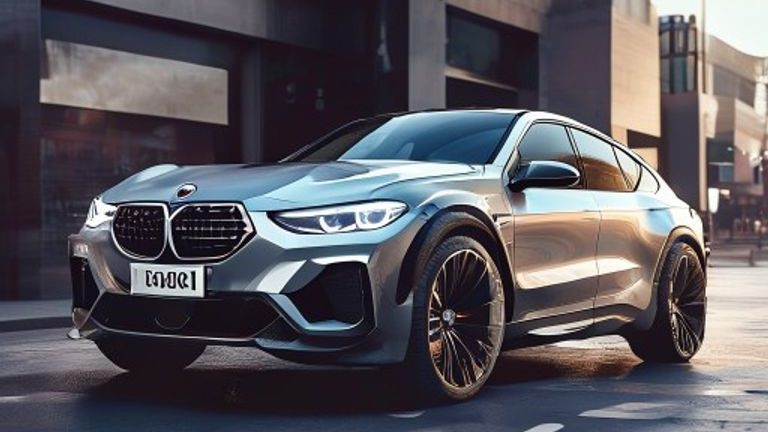
The BMW iX, since its initial introduction, carved out a unique niche within the burgeoning electric luxury SUV segment. Its design, frequently characterized as ‘eccentric,’ certainly stood apart from BMW’s more traditional aesthetic language. This distinctiveness was a deliberate choice, aiming to signify a new era of electric mobility for the brand. Its bold grille, unconventional lines, and futuristic interior design elements contributed to its polarizing yet memorable presence. As a luxury SUV, the iX consistently delivered on the promise of premium comfort, advanced technology, and robust performance, aligning with BMW’s long-standing reputation for driving dynamics and sophisticated cabin environments.
The ‘eccentric’ descriptor applied to the iX was often a point of both critique and admiration. It represented a departure, a willingness to challenge established norms in automotive design, particularly for a brand as historically conservative as BMW in certain aspects. This design philosophy aimed to appeal to a demographic eager for innovation and differentiation in their electric luxury vehicles. The iX was not merely an electric version of an existing BMW SUV; it was conceived as a ground-up electric vehicle platform, designed from the outset to showcase the possibilities of electric propulsion and digital integration within a premium package. Its sophisticated powertrain, advanced driver-assistance systems, and sustainable material choices underscored its positioning at the forefront of BMW’s electric ambitions.
The implications of the recent ‘comprehensive refresh’ preceding this announcement cannot be overstated. A refresh, in automotive terms, is typically an investment made to extend a model’s lifecycle, keep it competitive against newer rivals, and stimulate renewed interest from consumers. It often includes several key areas of enhancement. For instance, a comprehensive refresh typically covers:
- Exterior Styling Tweaks: Minor adjustments to bumpers, grilles, lighting elements, and wheel designs to modernize the vehicle’s appearance without a full redesign.
- Interior Material Upgrades: Introduction of new upholstery options, trim finishes, and improved haptic feedback for controls to enhance the cabin’s luxury feel.
- Infotainment System Enhancements: Software updates, new screen sizes, or improved processing power for the central display and digital instrument cluster, often including new connectivity features.
- Technological Integrations: Updates to driver-assistance systems, new safety features, or improved connectivity options like enhanced over-the-air update capabilities.
- Minor Powertrain Optimizations: While not a full redesign, sometimes subtle tweaks to improve efficiency or performance metrics, or updates to battery management software.
For BMW to have invested resources into such an update for the iX, only to then withdraw it from a critical market like the U.S., suggests either a very rapid change in market conditions, an unexpected strategic realignment, or a different global strategy for the refreshed model. This situation underscores the dynamic and often unpredictable nature of the automotive industry, especially within the rapidly evolving electric vehicle space.
Despite the iX’s impending exit from American shores, BMW’s broader commitment to its electric future remains unequivocally strong, as evidenced by the confirmation that « new EVs are on the way. » This statement provides a glimpse into the brand’s forward-looking strategy, suggesting that while the iX may not have found its long-term footing in the U.S. market, other models are poised to fill the void and further strengthen BMW’s electric vehicle lineup. The development of new electric vehicles is a costly and complex endeavor, indicating that BMW is continuing to pour significant resources into expanding its electric portfolio across various segments, from sedans to SUVs, and potentially beyond.
The global automotive landscape is undergoing a profound transformation towards electrification, with virtually every major manufacturer investing heavily in electric vehicle technology. BMW, a pioneer in electric mobility with its i3 model over a decade ago, is certainly no stranger to this shift. The promise of « new EVs » suggests that the brand is continuously evaluating market demands, technological advancements, and consumer preferences to introduce models that are better aligned with the evolving dynamics of the U.S. market. These upcoming vehicles are expected to leverage BMW’s latest innovations in battery technology, charging infrastructure integration, and sustainable manufacturing practices, building upon the lessons learned from earlier electric endeavors, including the iX.
While the iX’s departure marks the end of an era for this particular model in the U.S., it simultaneously signals the dawn of new possibilities for BMW’s electric future. The automotive industry’s relentless pursuit of electrification means that vehicle lineups are constantly being refined, models are introduced and retired with increasing frequency, and brands adapt to maintain competitiveness. The iX, with its distinctive ‘eccentric’ appeal and luxury credentials, certainly contributed to the narrative of electric vehicles being desirable and capable alternatives to traditional gasoline-powered cars. Its legacy in the U.S. market will undoubtedly be remembered for its bold design and its role in BMW’s initial push into high-end electric SUVs.
In conclusion, BMW’s decision to discontinue the iX electric SUV in America, even after a recent comprehensive refresh, represents a significant development. While the ‘eccentric’ luxury EV makes its exit, the overriding message from BMW is one of continued progression in the electric vehicle domain. The brand’s assurance of « new EVs on the way » underscores a robust, ongoing commitment to expanding its electrified offerings, promising that the future of BMW in the United States will remain firmly rooted in innovative and diverse electric mobility solutions, even as one distinctive chapter closes.
Source : https://www.caranddriver.com/news/a71015918/2026-bmw-ix-discontinued-america-confirmed/