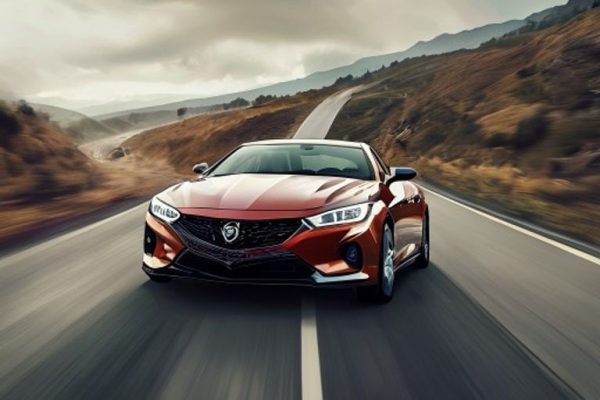


A New Era of Muscle: Hurricane vs. Hemi
The landscape of American muscle is undergoing a seismic shift, with Dodge at its epicenter. For decades, the deep rumble of a Hemi V8 has been the unmistakable soundtrack to performance. Now, a new chapter begins, spearheaded by the arrival of the next-generation Charger, powered by the formidable Hurricane twin-turbo six-cylinder engine. This pivotal moment naturally invites a compelling question: How does this modern powerhouse stack up against the legendary, outgoing V8-powered Challenger?
Our hypothetical test hub would aim to answer precisely that, putting the new Charger’s Hurricane twin-turbo six head-to-head with the old-school Hemi V-8. The goal isn’t just to compare numbers, but to understand the very soul of performance in a rapidly evolving automotive world. We’d let the inherent characteristics of each powertrain and the platforms they inhabit do the talking, examining what each brings to the table in terms of power delivery, driving dynamics, efficiency, and the overall visceral experience.
The New Charger: Hurricane’s Arrival
The heart of the new Dodge Charger lies in its innovative Hurricane twin-turbo inline-six engine. This powerplant represents a significant technological leap, designed to deliver both exhilarating performance and enhanced efficiency, a crucial combination in contemporary vehicle design. Available in high-output versions expected to exceed 550 horsepower, the Hurricane leverages forced induction to generate immense torque across a broad RPM range, promising a dynamic driving experience aligned with Dodge’s performance heritage.
Beyond raw power, the Hurricane brings with it a suite of modern advantages. Its inline-six configuration often allows for a more compact and potentially lighter engine package compared to a large displacement V8, which can positively impact vehicle weight distribution and overall handling. Furthermore, the twin-turbo setup inherently offers greater potential for fuel economy improvements and reduced emissions, satisfying both performance desires and evolving regulatory demands. This engine also integrates seamlessly with advanced transmission technologies and is likely to be paired with sophisticated all-wheel-drive systems, further enhancing its performance versatility.
The Enduring Legacy: Hemi V8
On the other side of the ring stands the venerable Hemi V8, the undisputed king of Dodge performance for the better part of two decades. This naturally aspirated powerhouse, with its distinctive hemispherical combustion chambers, has been synonymous with brute force, an intoxicating exhaust note, and unadulterated American muscle. From the pavement-pounding Scat Pack to the supercharged Hellcat variants, the Hemi has etched its name into automotive folklore, delivering visceral thrills through its instantaneous throttle response and the sheer volume of its displacement.
The appeal of the Hemi lies not just in its power figures, but in the entire sensory experience it offers. The deep, guttural rumble at idle, the glorious roar as the RPMs climb, and the feeling of a massive naturally aspirated engine breathing freely are all hallmarks that have cultivated a fiercely loyal following. While the Hemi platform, primarily underpinning the outgoing Challenger and Charger, has received numerous updates over the years, its fundamental architecture represents a more traditional approach to performance, embodying raw, unadulterated power delivered without turbos or complex hybrid systems.
The Conceptual Showdown: What Would Be Compared
A comprehensive comparison between these two titans would naturally delve into a myriad of performance and experiential metrics. While specific test results are yet to be widely published, the engineering principles behind each powertrain allow for an educated anticipation of their respective strengths and weaknesses.
- Acceleration & Power Delivery: The Hurricane’s twin-turbo setup provides robust low-end torque and sustained power, potentially making it incredibly quick off the line. The Hemi excels with linear, unrelenting pull and iconic quarter-mile prowess, though often requiring higher RPMs. The Hemi’s immediate, naturally aspirated throttle response would contrast with the slight lag characteristic of forced induction.
- Handling & Dynamics: The new Charger’s modern platform, coupled with a possibly lighter Hurricane engine, could offer a more agile and refined handling experience. The older Challenger, while a formidable straight-line performer, is known for its substantial curb weight, influencing cornering dynamics. The potential for all-wheel drive in the new Charger also broadens its traction capabilities.
- Sound & Sensory Experience: This is where perhaps the most passionate debates would arise. The Hemi’s visceral, unadulterated roar is an iconic sound that evokes pure muscle car emotion. The Hurricane will deliver a distinct, more modern note, potentially with the characteristic whoosh and whistle of turbos—a different symphony for enthusiasts.
- Fuel Efficiency & Technology: Here, the Hurricane is poised to demonstrate its inherent advantages. Modern forced induction engines are designed to optimize fuel consumption and reduce emissions without sacrificing performance. The Hemi, while powerful, represents an older generation of engine design prioritizing displacement and power over outright efficiency.
- The Future vs. Legacy: Ultimately, this comparison is also a symbolic one. The Hurricane-powered Charger represents Dodge’s commitment to innovation and future performance, adapting to new technological and environmental landscapes. The Hemi-powered Challenger stands as a monument to a glorious era, a final, thunderous salute to traditional American muscle.
Conclusion
In essence, a comparison between the new Charger’s Hurricane twin-turbo six and the outgoing Challenger’s Hemi V8 isn’t merely about horsepower or lap times. It’s a profound look at the evolution of performance, the choices manufacturers make, and the changing definition of a ‘muscle car.’ While the Hemi leaves an irreplaceable legacy of raw, emotional power, the Hurricane signals a compelling new direction for Dodge, promising a blend of cutting-edge performance, efficiency, and technological sophistication.
Both powertrains, in their own right, deliver exhilarating experiences. The true test will be how the new generation embraces the modern interpretation of muscle, and whether the Hurricane can forge a legend as enduring as the Hemi it effectively succeeds. The ‘test results’ will ultimately be written by time and the drivers who get behind the wheel, shaping the next chapter of Dodge performance.