



Colorado Embraces Average Speed Cameras: A New Era of Enforcement
The landscape of traffic enforcement in Colorado is undergoing a significant transformation with the introduction of new average speed camera systems. Unlike traditional speed cameras, which measure a vehicle’s speed at a single point, these advanced systems calculate a vehicle’s average speed over a defined segment of road. This fundamental difference marks a paradigm shift in how speeding infractions are detected and, critically, how drivers can or cannot circumvent them. The intent behind this technological upgrade is clear: to encourage consistent compliance with speed limits and enhance road safety across entire stretches of highway, rather than merely at isolated checkpoints.
For years, drivers have relied on various tools and strategies to navigate speed enforcement. Applications like Waze, with their crowdsourced data, have become invaluable for alerting drivers to the presence of fixed speed cameras or active police patrols. Similarly, radar detectors have provided an early warning system against radar or laser-based speed measurement devices. However, the operational mechanics of average speed cameras render these traditional countermeasures largely ineffective, heralding a new challenge for drivers accustomed to mitigating their risks on the road.
How Average Speed Cameras Work: Beyond the Snapshot
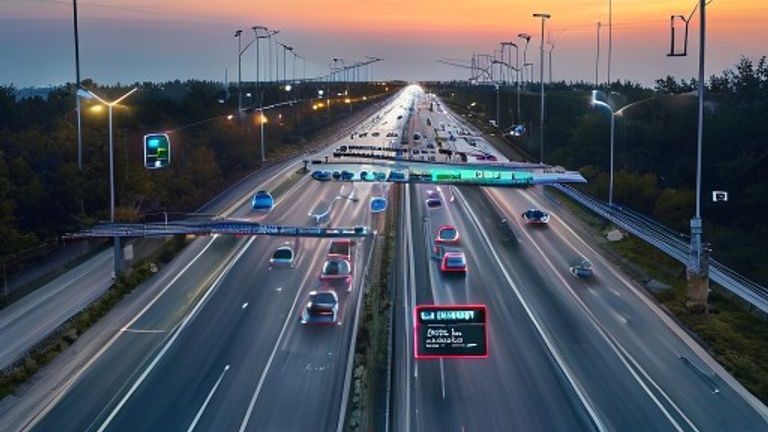
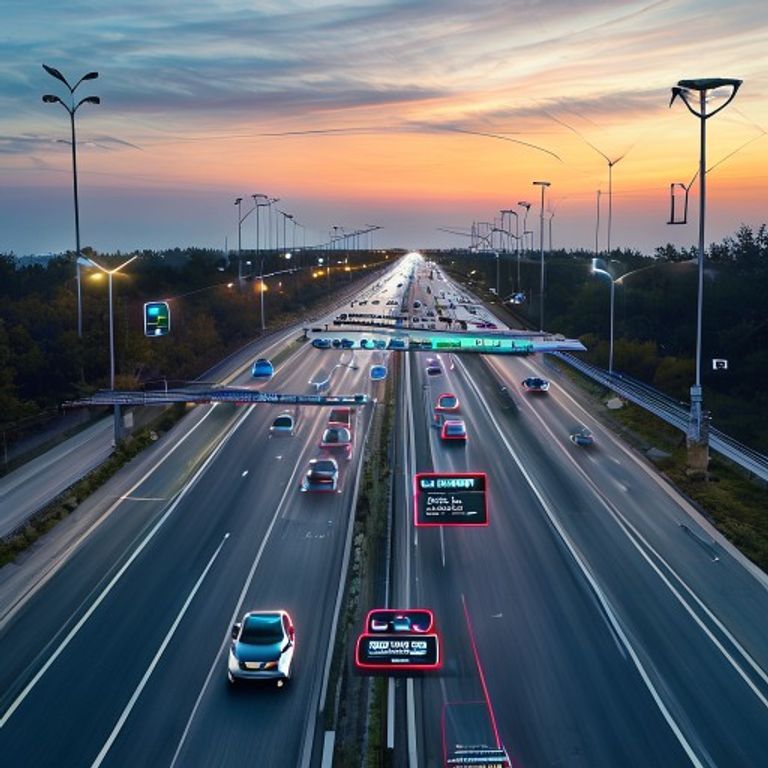
Understanding why average speed cameras are different is key to grasping their efficacy. The system typically involves at least two camera gantries positioned at a known distance apart. As a vehicle passes the first gantry, its license plate is read, and a timestamp is recorded. When the same vehicle passes the second gantry down the road, another timestamp is recorded. The system then calculates the time taken to travel the precise distance between the two points. By dividing the distance by the elapsed time, the vehicle’s average speed over that entire segment is determined.
If this calculated average speed exceeds the posted speed limit for that section of road, an infraction is flagged. This method ensures that even if a driver briefly slows down for a visible camera and then accelerates again, their overall average speed will still reflect any non-compliance. This continuous monitoring over a distance is a stark contrast to « spot speed » cameras, which only capture speed at a specific location, allowing drivers to momentarily adjust their speed before or after the camera.
The Ineffectiveness of Waze and Radar Detectors
The very design of average speed cameras negates the utility of common driver aids. Waze and similar navigation apps thrive on reporting the location of fixed speed cameras or mobile police units. Drivers receive an alert, slow down for the reported location, and then often resume their original speed. Against an average speed camera system, this tactic offers no advantage. An alert about a camera at the beginning of a monitored zone doesn’t help if the driver speeds up again between the entry and exit points, as their average speed will still be recorded.
Similarly, radar detectors are designed to identify radio waves (radar) or infrared light (laser) emitted by police speed guns or traditional automated enforcement devices. Average speed cameras, however, do not emit such signals for speed measurement. They primarily use optical character recognition (OCR) for license plate reading and precise timekeeping. Therefore, a radar detector will remain silent throughout an average speed camera zone, offering no indication that a driver’s speed is being continuously monitored and calculated. The absence of a detectable emission makes these devices obsolete in warning drivers about impending average speed infractions.
The « Point » of Sustained Compliance and Safety
The explicit purpose behind deploying average speed cameras, as stated by authorities, is to foster a culture of sustained speed limit adherence. The traditional « cat and mouse » game where drivers speed up, slow down for enforcement, and then speed up again, contributes to inconsistent traffic flow, increased accident risks, and a general disregard for posted limits. Average speed cameras are designed to eliminate this game by making consistent speeding over a significant distance almost impossible to get away with.
By enforcing compliance over longer road segments, these systems aim to achieve several key objectives. Firstly, they promote smoother traffic flow, as drivers are encouraged to maintain a more consistent and safer speed. This can reduce instances of sudden braking and acceleration, which are common causes of rear-end collisions. Secondly, they are intended to significantly enhance safety in zones prone to accidents caused by excessive speed, such as construction zones, school zones, or historically dangerous stretches of highway. The goal is not merely to issue fines but to fundamentally alter driver behavior for the better, making roads safer for everyone.
Implications for Colorado Drivers and the Future of Enforcement
For Colorado drivers, the introduction of average speed cameras necessitates a shift in driving habits and mindset. The days of slowing down just for the camera flash are effectively over in these monitored zones. Drivers must now maintain the posted speed limit for the entirety of the segment, reinforcing the fundamental principle of road safety. This move aligns Colorado with a growing number of jurisdictions worldwide that have adopted this technology, recognizing its effectiveness in reducing persistent speeding and improving overall road safety metrics.
While the initial adjustment may be challenging for some, the long-term objective is a safer, more predictable driving environment. These cameras represent a proactive approach to traffic management, focusing on prevention rather than merely reaction. They underscore a commitment to utilizing technology to create more responsible driving behaviors, ensuring that the « point » of adhering to speed limits—safety and order—is genuinely achieved across Colorado’s roadways.
Source : https://www.caranddriver.com/news/a70945506/colorado-speed-cameras-waze-radar-detectors/